What Is Afrohemian Decor? The 2026 Trend Redefining Soulful Living
Written by: M. Yazdaan, Home Decor Editor
Reviewed by: Emma Cartel, Research & Editorial Standards Coordinator
Interior design in 2026 is moving in a bold new direction. People across the US, UK, Canada, and Europe are actively stepping away from cold, sterile minimalism. They want homes that feel warm, personal, and rooted in something real. At the center of this shift is Afrohemian decor.
This style is a vibrant fusion of traditional African craftsmanship and the relaxed, free-spirited energy of bohemian living. The result is a home that feels globally inspired yet deeply intimate. According to Pinterest Predicts 2026, searches for this style have jumped by 220% year over year. That is not a passing moment. That is a movement.
So what exactly is Afrohemian decor, and how can you bring it into your home? Let us break it down, step by step, room by room.
What Is Afrohemian Decor? A Clear Definition
Afrohemian decor is a curated fusion of two rich design worlds. On one side, you have African design traditions built on centuries of craft, pattern, and storytelling. On the other, you have bohemian style with its love of layered textures, natural materials, and relaxed living.
Together, they create interiors that feel soulful rather than simply styled. Every piece carries meaning. Every corner tells a story.
The term gained mainstream recognition when Pinterest officially named it a top trend for 2026 in their annual Pinterest Predicts report. Since then, interior designers on both sides of the Atlantic have been embracing it with real enthusiasm.
Quick Fact: Pinterest reports a 220% rise in searches for “Afrohemian home decor” in 2026. Related searches like “African boho living room” and “Afro chic home decor” are also climbing fast. (Source: Pinterest Predicts 2026)
The Philosophy Behind Afrohemian Design
Before you buy a single cushion, it helps to understand the mindset this style is built on. Afrohemian design is not something you shop for in one afternoon. It is a philosophy that puts authenticity first.
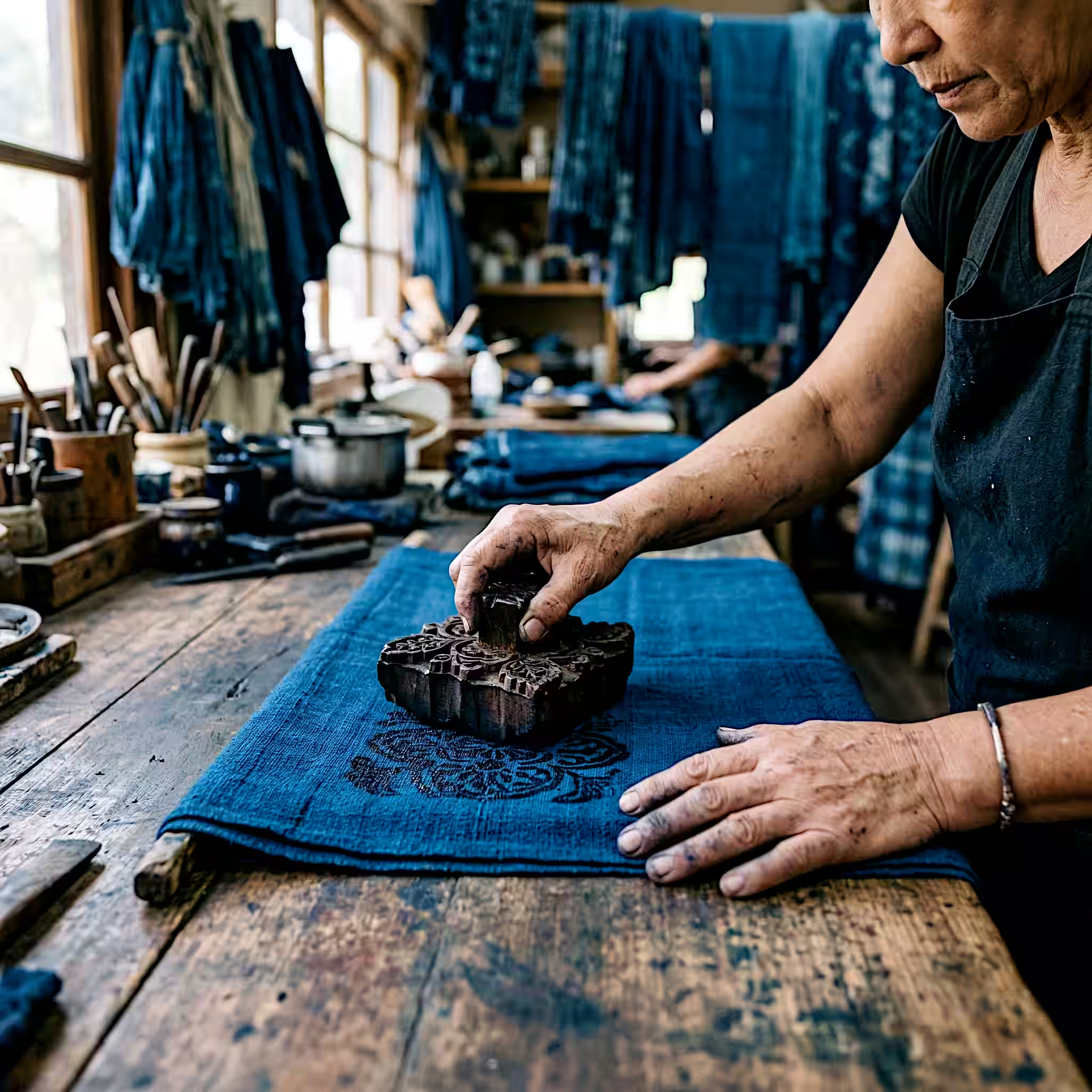
This style honors the artisans who spend hours weaving baskets, hand-dyeing fabrics, and carving wood. Every item in an Afrohemian home should earn its place by carrying a story, a culture, or a memory.
This approach naturally leads to a more sustainable way of living. You invest slowly in meaningful, long-lasting pieces rather than cycling through cheap seasonal decor. The home becomes a reflection of your values, not just your taste.
Key Design Elements of Afrohemian Decor
To pull off this aesthetic with confidence, you need to understand its three core pillars: textiles, natural materials, and color. These elements work together to create a space that feels layered, warm, and alive.
Authentic Textiles, Starting With Adire Fabric
Textiles are the heartbeat of Afrohemian design. Among all the fabrics trending in 2026, Adire fabric is getting the most attention. Originating from the Yoruba people of southwestern Nigeria, Adire is an indigo-dyed cloth created using a wax resist technique that produces intricate, one-of-a-kind patterns.
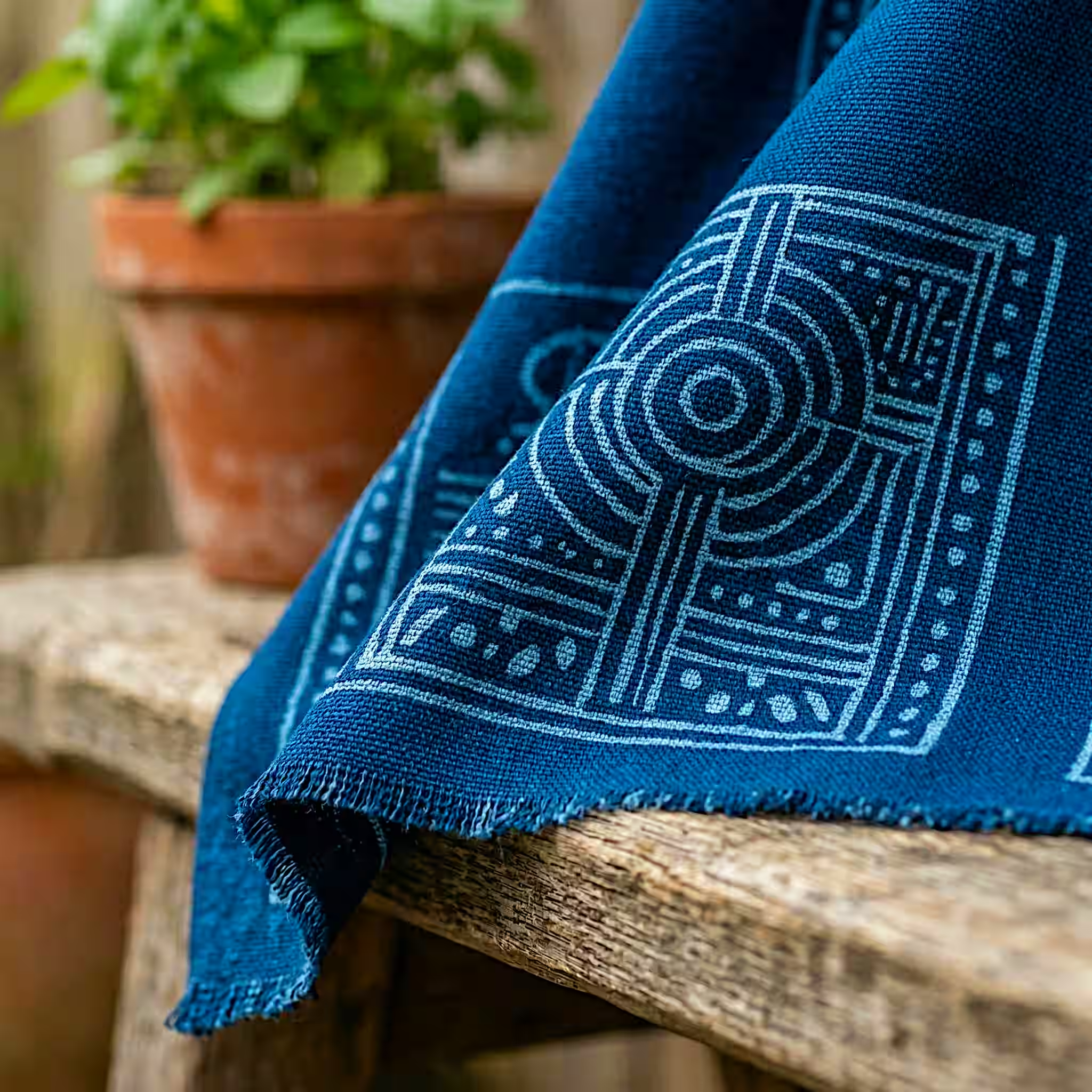
Searches for “Adire fabric decor” are up 130% this year, making it one of the most valuable keywords in the home decor niche right now. When you add Adire throw pillows or a draped Adire runner to your sofa, the room transforms instantly.
Other textiles worth incorporating:
| Textile | Origin | How to Use It |
|---|---|---|
| Mudcloth (Bogolan) | Mali, West Africa | Bed throws, cushion covers, wall hangings |
| Kente Cloth | Ghana | Cushions, framed wall art, table runners |
| Berber Rug (Motif Berbere) | North Africa | Area rugs, layered floor styling |
| Jute and Sisal | Global | Area rugs, table runners, placemats |
Natural Materials and Woven Textures
Afrohemian design is built around how a room feels, not just how it looks. That means rattan, bamboo, sea grass, clay, and carved wood should appear throughout your space in meaningful ways.
Rattan furniture is experiencing a huge resurgence. Searches for “rattan accent chair” are up 50% this year. Pair one with a mudcloth throw and you have an instant Afrohemian reading corner. Tonga baskets hung on walls are another signature element. They introduce circular geometry and three-dimensional texture that turns a plain wall into a curated gallery.
The 2026 Afrohemian Color Palette
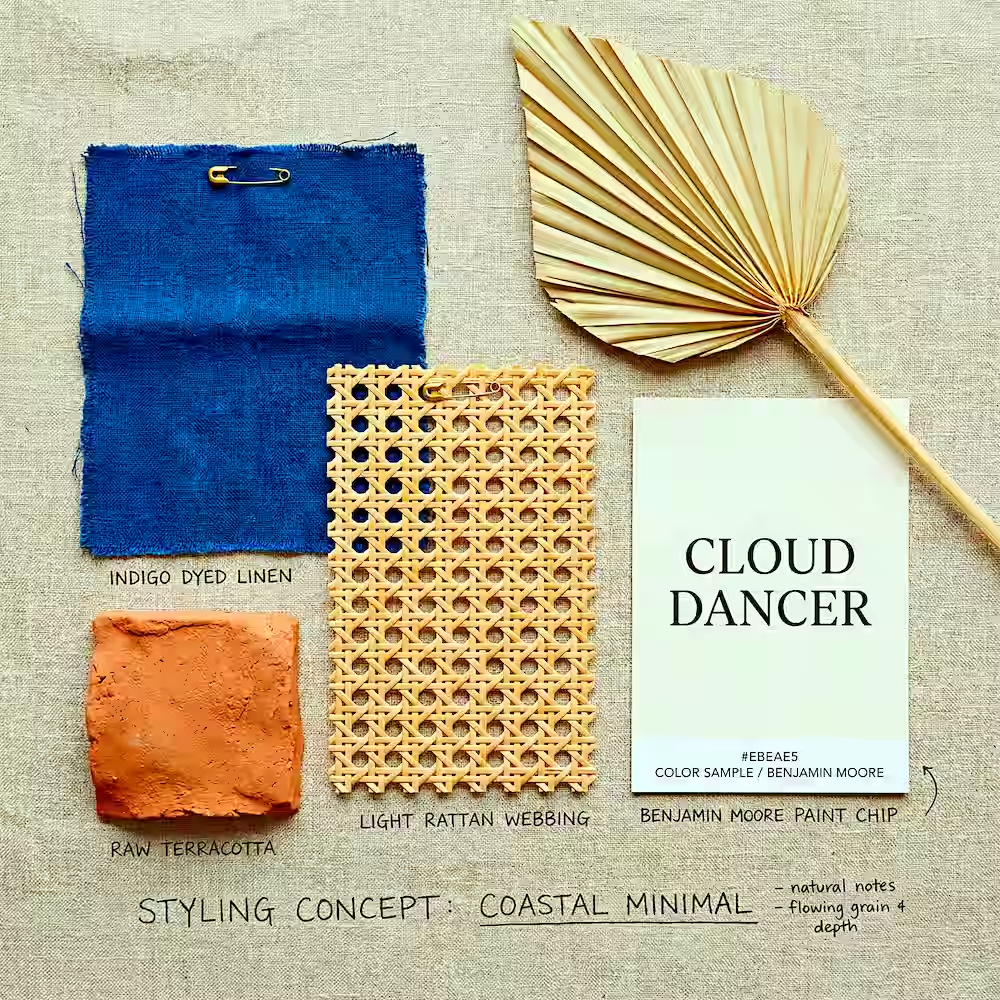
Color in this style is earthy, warm, and grounded. The defining backdrop shade for 2026 is Cloud Dancer, a soft off-white that mimics natural lime wash. It acts as a calm, luminous canvas for everything bolder that follows.
Against this neutral base, layer in:
- Terracotta — rich and warm like fired clay
- Deep indigo blue — rooted in Adire dye traditions
- Mustard yellow — echoing the warmth of African sunsets
- Olive green — connecting the interior to the natural world outside
This palette keeps the overall space sophisticated. The bold textiles do the talking while walls and large furniture pieces stay calm.
What Expert Designers Say About Afrohemian Decor
The interior design world is taking this trend seriously, and leading voices are being very clear about why it matters.
Designer Perspective: Michelle Gage, Founder of Michelle Gage Interior Design “Plan your Afrohemian living room around one big, beautiful anchor piece. Whether it is the sofa, a statement rug, or a carved wooden console, that item sets the tone for everything else. From there, layer in cultural accents deliberately rather than all at once.” (As quoted in Martha Stewart Living)
Designers who specialize in culturally rooted interiors consistently point to the same principle: authenticity creates a depth that surface-level styling cannot replicate.
Designer Perspective: Sheila Bridges, Award-Winning New York Interior Designer “Spaces rooted in cultural heritage automatically have soul. When people bring African craft traditions into their homes thoughtfully, the space stops looking like a Pinterest board and starts feeling like a lived life. That is the goal.”
Both perspectives carry the same message. Afrohemian decor works best when it reflects a genuine connection to the pieces and their origins, not just their visual appeal.
Room by Room Styling Guide
Applying this aesthetic to your whole home is easier when you take it one room at a time. Here is exactly how to approach each space.
The Living Room
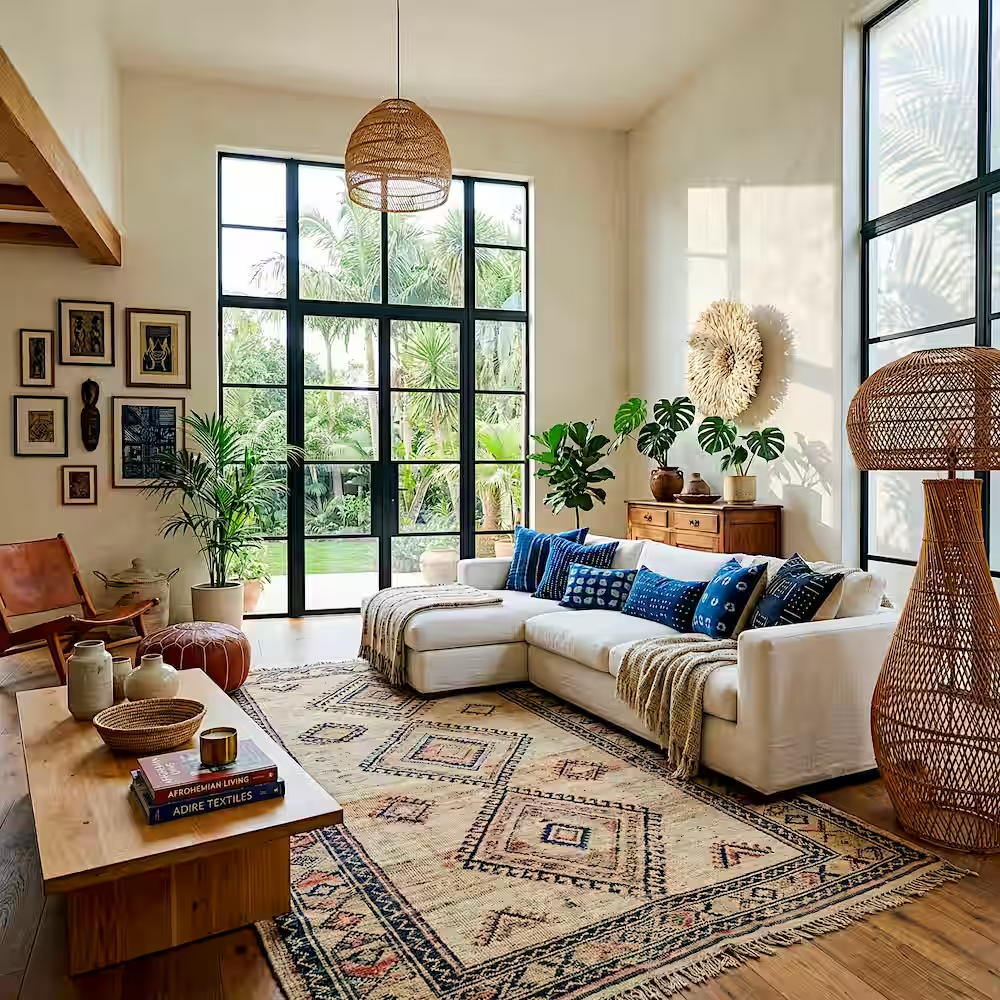
The living room is your most important canvas. Start with a large, comfortable sofa in a neutral tone like warm cream, oatmeal, or soft grey. Then build from there:
- Add two or three Adire or mudcloth cushions across the seating
- Place a large Berber-style rug underneath to anchor the furniture group
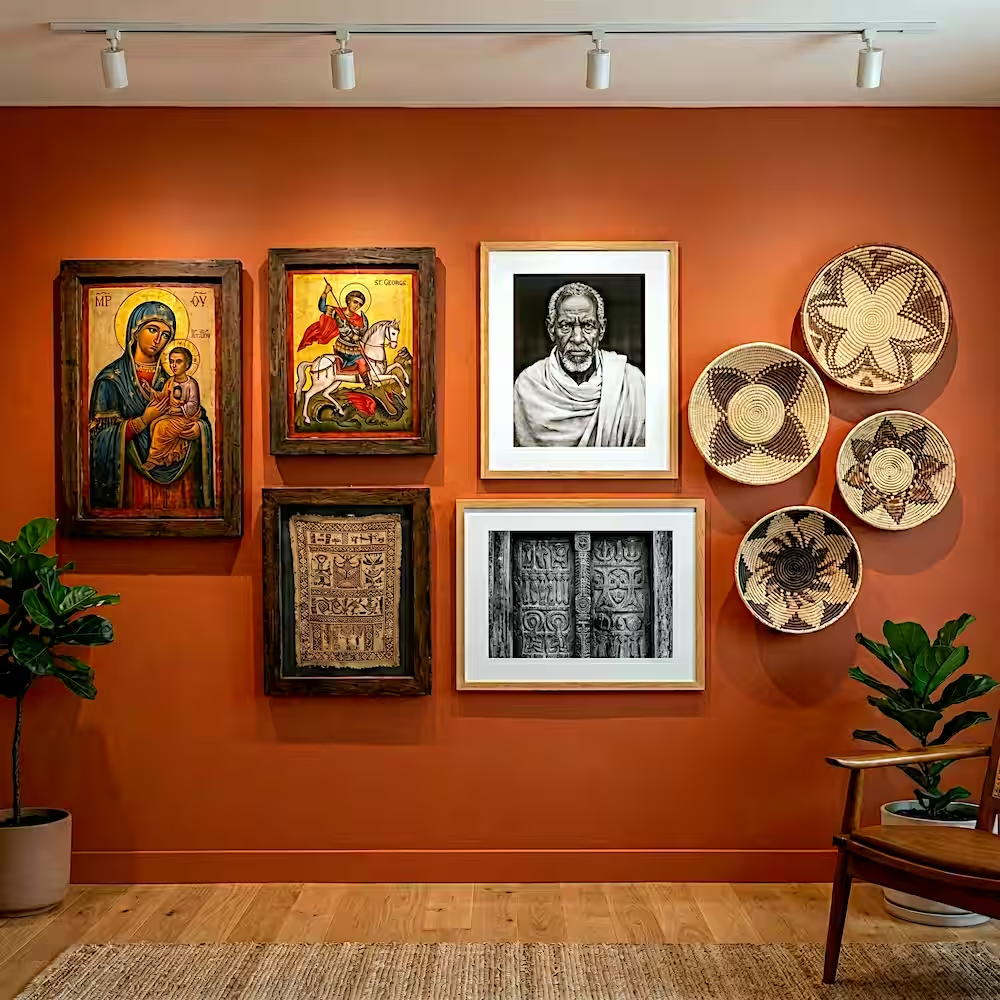
- Hang three to five Tonga baskets on one wall in a casual, overlapping arrangement
- Position a rattan floor lamp beside the sofa for warm ambient light
- Add a carved wooden stool or side table next to your main seating
Finish with a curated gallery wall using simple black frames. Include photography by African artists or prints of Nigerian textiles. Keep the frame style consistent and the arrangement slightly asymmetrical for a natural, collected look.
The Bedroom
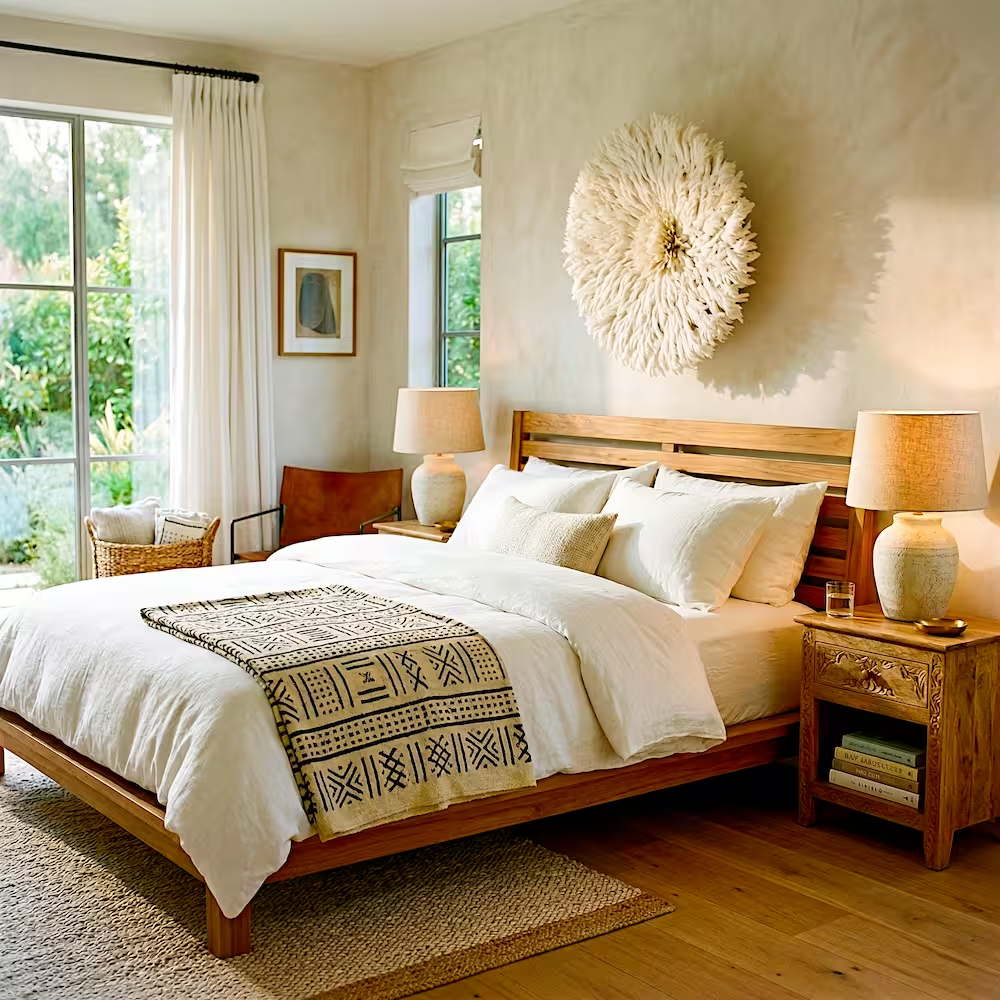
Your bedroom should feel like a sanctuary. Pull back on boldness here and let sensory textures carry the room.
Start with crisp white linen bedding as your base. Drape a handmade mudcloth blanket across the foot of the bed. Mount a large Juju hat above the headboard as a statement piece. Its dramatic feathered shape adds visual depth without loud color.
Place carved wooden nightstands on either side. Add a simple brass lamp for warm evening light. A small framed piece of Adire fabric on the wall completes the look without crowding the space.
The Kitchen and Dining Area
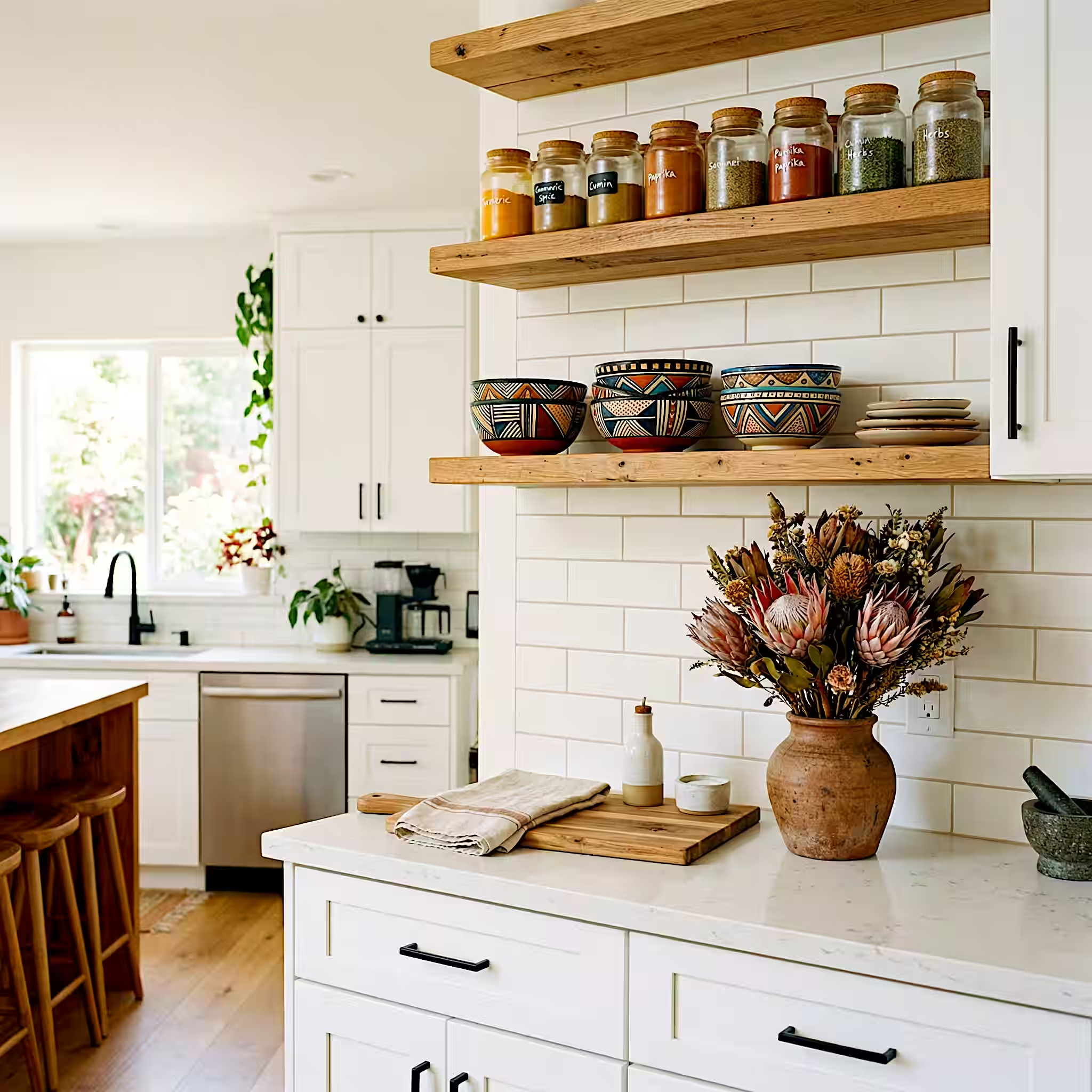
Many people skip the kitchen when redesigning, but it adapts beautifully to this style. Swap out generic pendant lights for woven bamboo or rattan shades. The light filtering through them creates a warm amber glow that changes the entire mood.
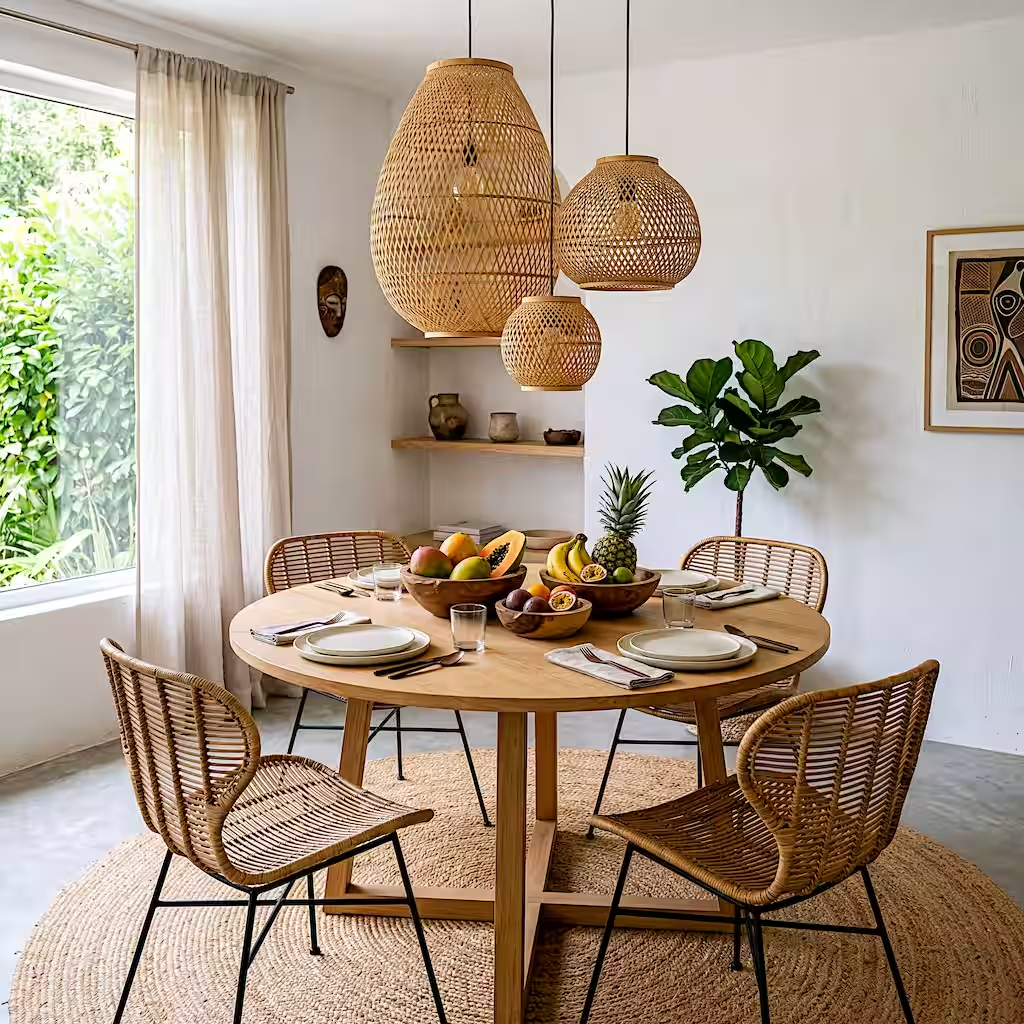
Display hand-painted ceramic bowls with geometric motifs on open wooden shelving. Add a patterned African textile runner along the kitchen floor. In the dining area, pair a round rattan table with simple chairs and center one dramatic Tonga basket overhead.
The Entryway
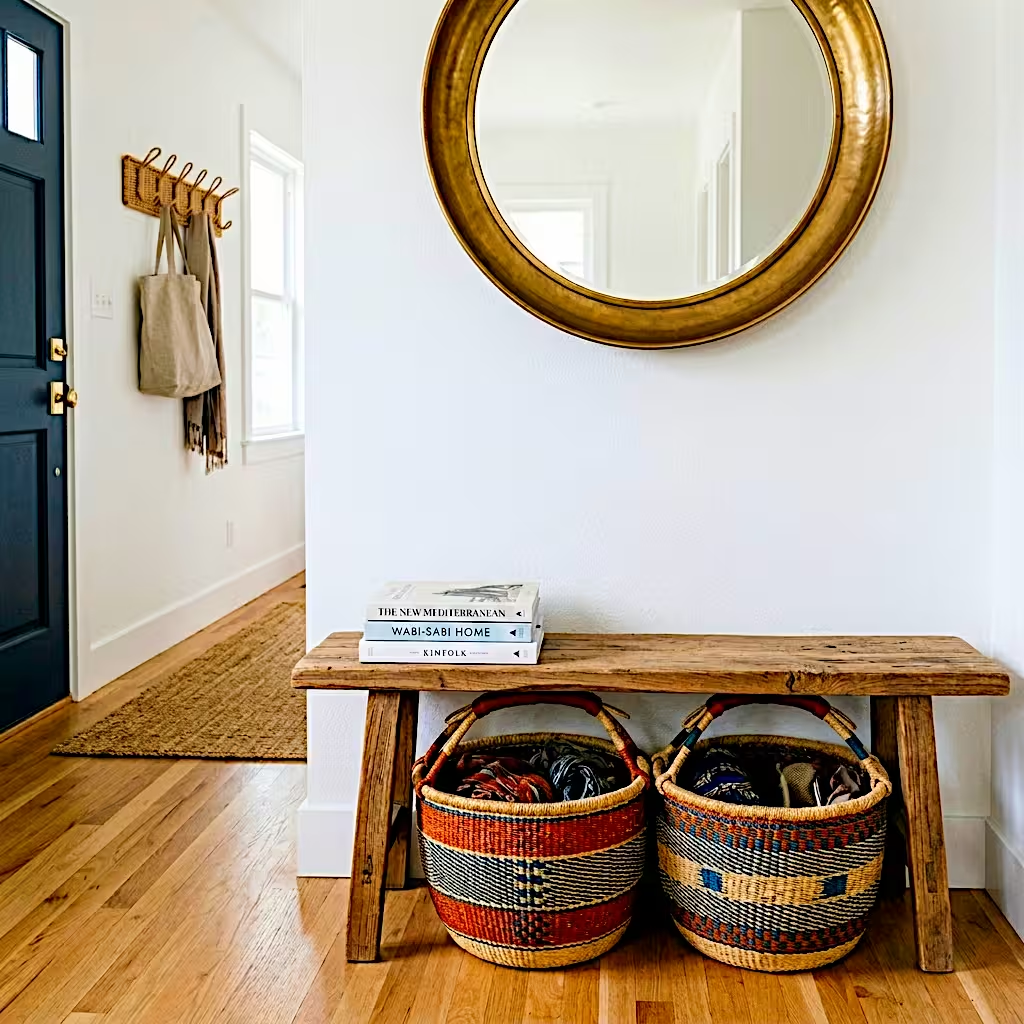
Your entryway sets the tone for everything that follows. Keep it simple but deliberate. A narrow wooden console, a circular rattan mirror, and one woven basket is all you need to create an immediate Afrohemian welcome without overwhelming a small space.
Afrohemian Decor vs Standard Boho: Key Differences
| Feature | Standard Boho | Afrohemian Decor |
|---|---|---|
| Cultural Origin | Broadly global, often Western | Specifically rooted in African heritage |
| Textiles | Macrame, Indian cotton, fringe | Adire, mudcloth, Kente, Berber weaves |
| Color Base | White, blush, sage | Cloud Dancer white with terracotta and indigo |
| Wall Decor | Macrame, dreamcatchers | Tonga baskets, Ethiopian art, African prints |
| Key Materials | Linen, cotton, feathers | Rattan, bamboo, carved wood, clay |
| Shopping Approach | High street and lifestyle stores | Artisan cooperatives, ethical sourcing |
| Overall Mood | Carefree and eclectic | Culturally grounded and deeply soulful |
The Role of Lighting in Afrohemian Design
Lighting changes everything in this style. Harsh white LED bulbs kill the warmth that makes Afrohemian interiors so inviting. Always choose warm amber bulbs in the 2700K to 3000K range.
The fixtures themselves serve as decor. Woven dome pendant lights are especially popular right now. When light passes through woven fibers, it casts beautiful dappled shadows across walls. That effect enhances the sensory quality of the room at no extra cost.
Layer your lighting across three levels:
- Ambient — overhead woven pendants or bamboo dome shades
- Accent — brass table lamps on carved wooden consoles
- Task — slim rattan floor lamps beside reading chairs
This three-layer approach ensures the room looks just as beautiful at 9pm as it does at noon.
The Furniture Feature
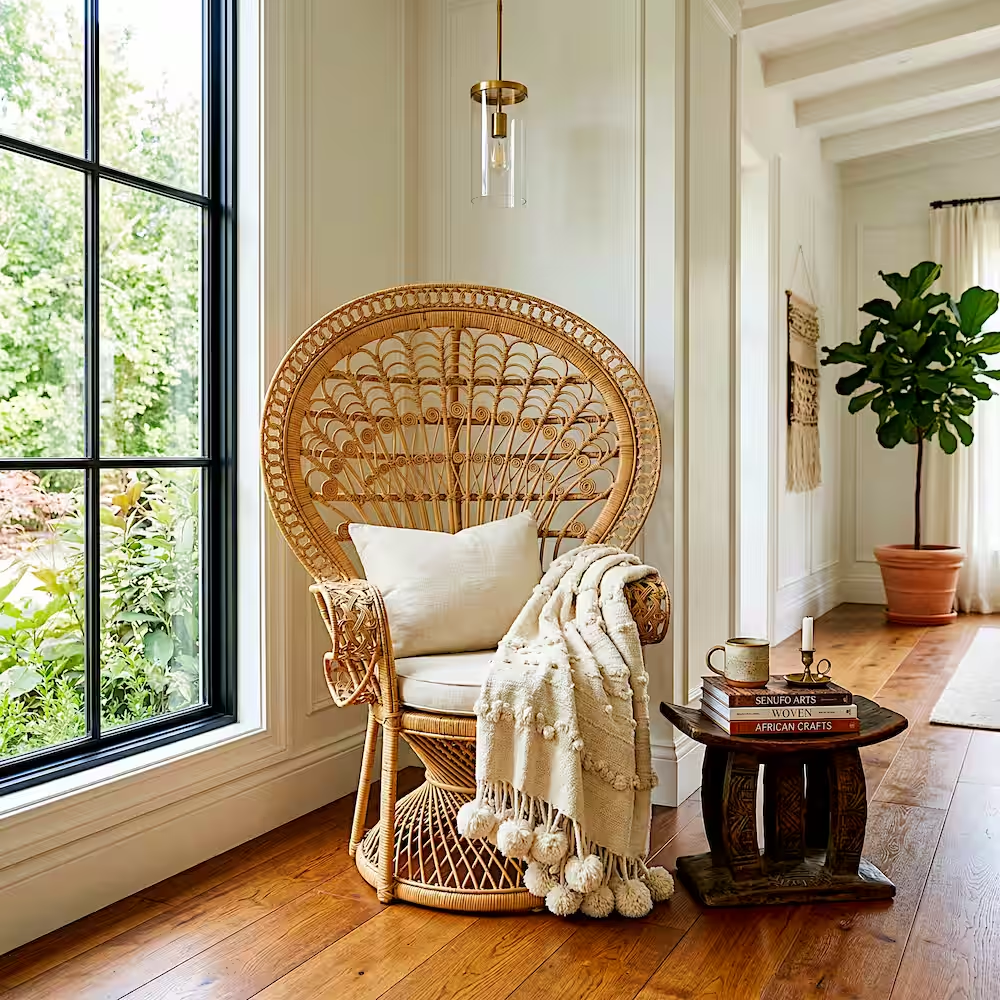
The rattan accent chair is the single most searched furniture piece in this aesthetic right now, up 50% in searches this year. Its circular silhouette references African basket-weaving traditions while fitting perfectly into a modern home. Place it beside a large window with a mudcloth throw draped casually over one arm and the look is complete.
Taking Afrohemian Style Outdoors

This style translates beautifully outdoors. A hanging rattan egg chair with mudcloth cushions, a woven outdoor rug, and a few terracotta pots with bold leafy plants is all you need to extend the Afrohemian feeling to your patio or balcony.
How to Source Afrohemian Pieces Ethically
Finding the right pieces is only half the work. Buying them ethically matters just as much. This style is built on living craft traditions. Buying cheaply made replicas undermines the entire point.
Here is how to shop responsibly:
- Buy directly from African artisan cooperatives through platforms like Etsy, Afrikrea, or Global Goods Partners
- Look for sellers who name the artisan or the region the piece comes from
- Visit local vintage and antique markets for one-of-a-kind finds that already carry history
- Avoid mass-produced items using African-inspired prints without any cultural attribution
When you buy thoughtfully, you participate in a genuine cultural exchange. Your home becomes richer for it and so do the communities behind the craft.
Learn more about ethical home decor sourcing at Global Goods Partners and Afrikrea.
Quick Reference Material Guide
| Material | Where to Use It | What It Adds |
|---|---|---|
| Adire Fabric | Cushions, throws, framed wall art | Bold pattern, cultural depth, indigo color |
| Mudcloth (Bogolan) | Bed throws, cushion covers, wall hangings | Earthy geometry, West African craft heritage |
| Rattan | Chairs, pendants, mirrors, trays | Natural warmth, bohemian texture |
| Tonga Baskets | Gallery walls, storage | Circular geometry, three-dimensional texture |
| Carved Wood | Side tables, stools, frames, bowls | Organic warmth, artisan authenticity |
| Kente Cloth | Cushions, wall art, table runners | Bold color, celebratory pattern |
| Jute and Sisal | Area rugs, runners, placemats | Earthy foundation, natural fiber layering |
| Clay and Ceramic | Vases, bowls, planters | Handmade texture, terracotta warmth |
| Bamboo | Pendant lights, shelving, plant holders | Sustainable structure, warm texture |
Why Afrohemian Decor Is Dominating 2026
The timing of this trend is no accident. After years of ultra-minimal grey interiors and flat-pack furniture, people are ready for something with depth.
Three forces are driving this shift:
- Cultural visibility. African artists, designers, and makers are receiving more global recognition than ever. People want their homes to reflect that wider world.
- Sustainability. Buyers are choosing handcrafted, long-lasting pieces over disposable fast furniture. Afrohemian decor aligns naturally with that shift.
- Identity-led design. Pinterest’s own research found that 42% of people now only participate in trends that genuinely reflect who they are. This style offers real room for personal expression.
All three of these forces point in the same direction. Afrohemian decor is not a seasonal trend. It is a design movement built to last.
5 Common Mistakes to Avoid
- Buying replica textiles from fast furniture stores. The patterns are often inaccurate and the quality is poor.
- Over-decorating. Afrohemian design is layered but never cluttered. Every piece needs breathing room.
- Using harsh white lighting. It washes out the terracotta and indigo tones that make this style work.
- Buying everything at once. This look builds best over time, one meaningful piece at a time.
- Ignoring the origin of your pieces. Knowing where something comes from adds meaning to your space.
Afrohemian Decor Styling Principles at a Glance
- Prioritize authenticity over aesthetics every time
- Balance bold prints with calm, neutral base colors
- Layer tactile materials: smooth wood, rough weaves, soft linen
- Embrace imperfection in handmade pottery and dyed cloth
- Source ethically and support the artisans behind the craft
- Light warmly using amber bulbs and natural woven fixtures
- Mix eras by combining contemporary pieces with vintage finds
Final Thoughts
Creating an Afrohemian home is a deeply rewarding process. It asks you to slow down, be intentional, and invest in pieces that carry real stories. The result is a space that feels genuinely yours rather than assembled from a trend.
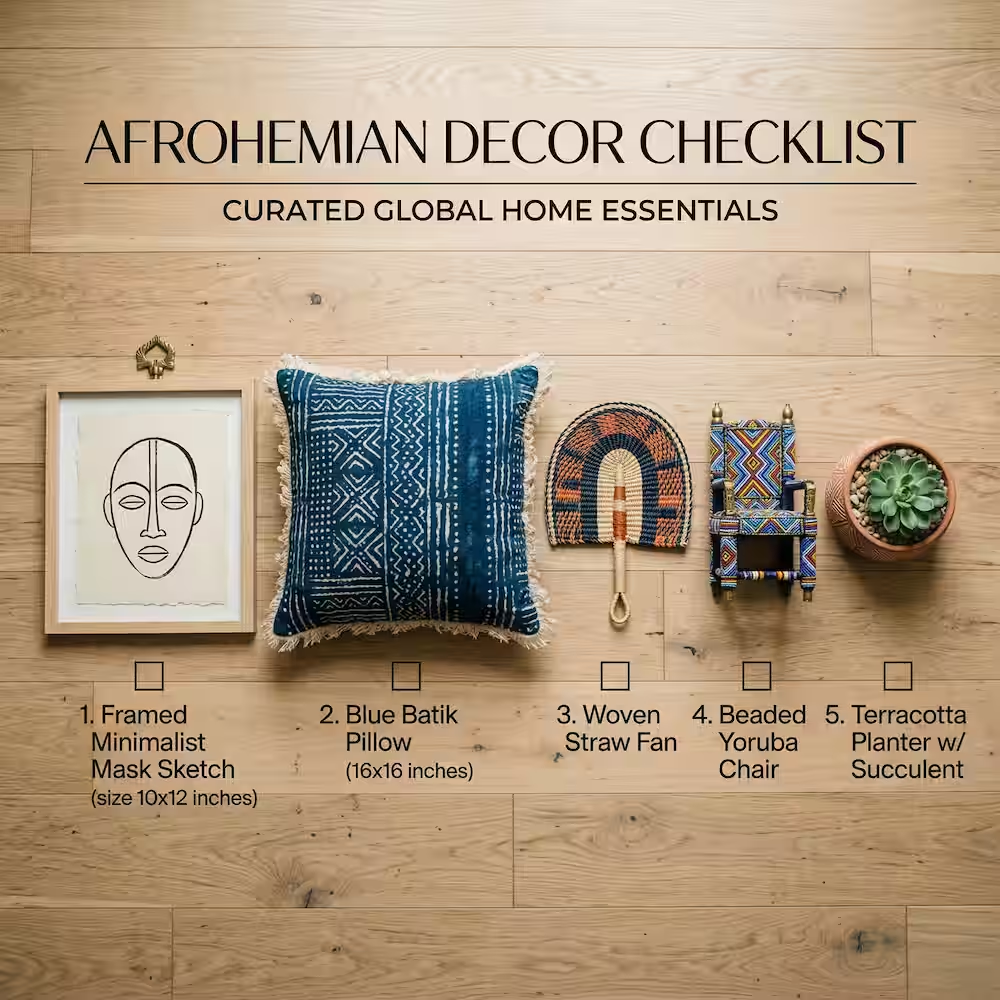
Start small. Add one piece at a time. Let the space grow with you. That is exactly the spirit this style was built on.
Frequently Asked Questions
What exactly is Afrohemian decor?
Afrohemian decor is a home design style that blends African craft traditions with bohemian living principles. It focuses on handmade textiles, natural materials, earthy colors, and pieces rooted in African cultural heritage. Pinterest named it a top trend for 2026, with searches up 220%.
How is Afrohemian different from regular boho decor?
Standard boho draws loosely from many global influences. Afrohemian is far more intentional. It specifically honors African heritage through materials like Adire fabric, Kente cloth, mudcloth, Tonga baskets, and Ethiopian wall art. The cultural depth is specific and meaningful.
How do I use Adire fabric in my home?
Adire works beautifully as throw pillow covers, blanket throws, framed wall art, or table runners. You can also frame small fabric pieces in simple black frames to create custom, affordable wall art with real cultural meaning.
What is the best paint color for Afrohemian decor?
Cloud Dancer white is the ideal base for 2026. This soft, warm off-white provides a luminous backdrop that highlights textiles and wooden pieces without competing with them.
Where can I buy authentic Afrohemian pieces ethically?
Shop through artisan cooperatives on platforms like Afrikrea, Etsy’s African artisan sellers, and Global Goods Partners. Local antique markets and specialist African import stores in major cities across the US and UK are also excellent sources.
Is Afrohemian decor expensive?
It does not have to be. The style rewards a slow, curated approach. Start with a few affordable Adire cushion covers, a jute rug, and one Tonga basket from an artisan marketplace. Build the look gradually rather than all at once.
Is Afrohemian decor suitable for small homes or apartments?
Absolutely. A few carefully chosen pieces, such as a Tonga basket gallery wall, a rattan mirror, and one bold textile throw, can completely transform a compact room without overwhelming it.
About the Author:
M. Yazdaan is a Home Decor Editor with 7+ years of experience specializing in residential interior styling, renovation trends, and material selection across living, kitchen, bathroom, and outdoor spaces. Contributing to multiple home focused publications, M. Yazdaan helps homeowners make informed design decisions backed by industry research and real-world applications.
Fact-Checked by:
Emma Cartel, Research & Editorial Standards Coordinator with 8+ years of experience, oversees fact-checking, specification validation, sourcing integrity, and editorial standards for all published content. Her work ensures accuracy in measurements, costs, timelines, and industry data citations.
More about our editorial team: About Us
Recent Posts

Biophilic Smart Homes: Where Technology Speaks Nature’s Language
Matter 1.5: The Smart Home Revolution Finally Arrives in 2025

Best Bathroom Flooring Ideas: Complete Expert Guide for 2026