Best Bathroom Flooring Ideas: Complete Expert Guide for 2026
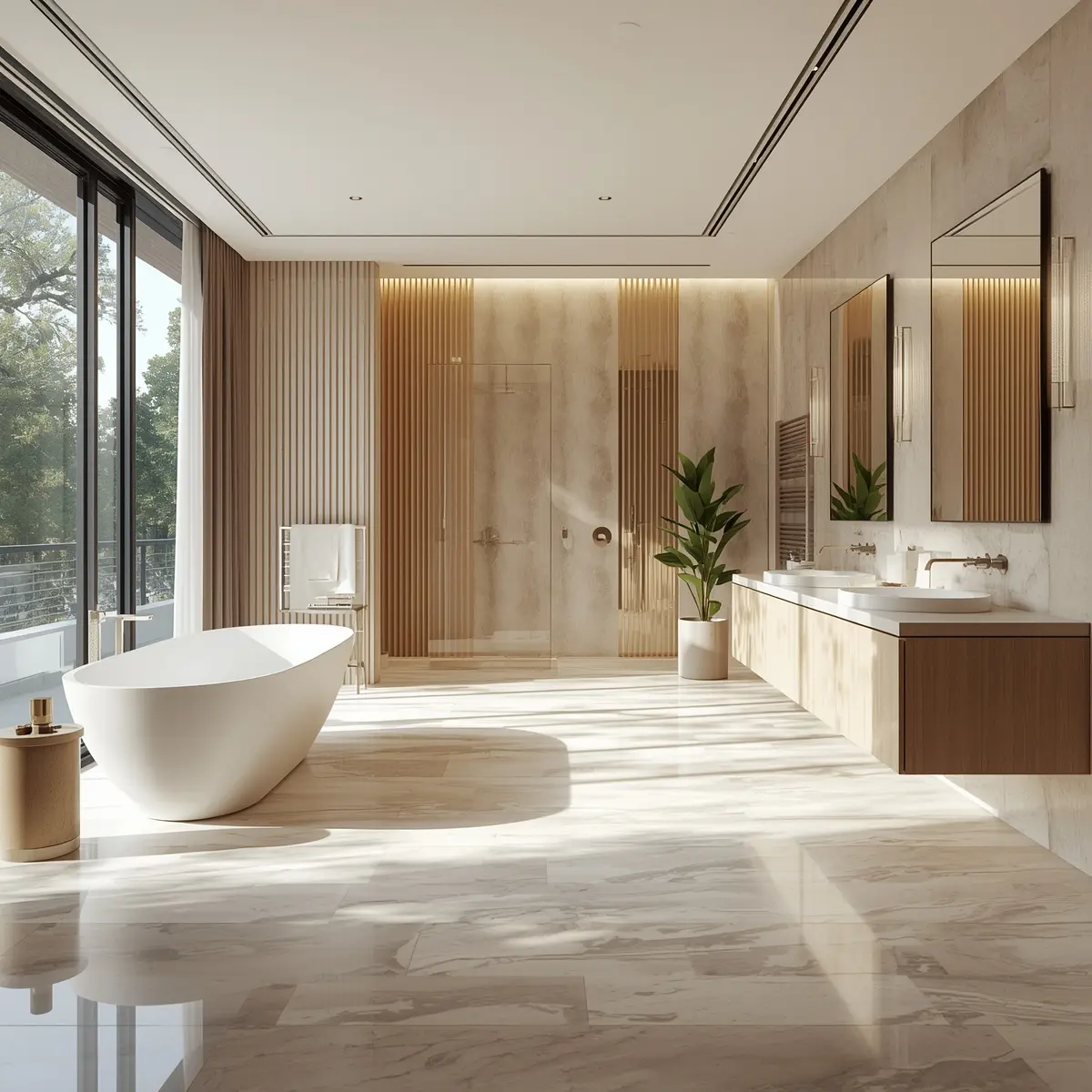
Choosing bathroom flooring that survives daily water exposure while looking amazing isn’t easy. Steamy showers, splashing sinks, and humidity create unique challenges for your floor.
During my 7 plus years as a renovation consultant, I have helped over 140 homeowners navigate this decision. The right bathroom flooring resists mold, handles moisture, and looks gorgeous for years.
This guide breaks down the best bathroom flooring options for 2026. You’ll find real costs, honest pros and cons, and practical tips that work in actual homes.
Why Bathroom Flooring Deserves Your Attention
Bathrooms are moisture battlegrounds. Between steamy showers, splashing sinks, and humidity that often reaches 70-80%, your floor faces challenges no other room experiences.
What Bathroom Floors Must Handle
Your bathroom floor encounters unique daily challenges:
- Standing water from showers and baths
- Constant humidity and temperature fluctuations
- Harsh cleaning chemicals
- High foot traffic in small spaces
- Potential mold and mildew growth
The Cost of Poor Choices
Wrong flooring choices lead to expensive problems. For instance, warped boards can appear within months. Similarly, cracked tiles and musty odors indicate deeper issues.
Moreover, water damage spreads to your subfloor. This creates structural problems costing thousands to repair.
However, get it right and you’ll enjoy a gorgeous bathroom. It will function flawlessly and add real value to your home.
Top Bathroom Flooring Materials: The Complete Breakdown
Porcelain Tile: The Champion of Bathroom Floors

Porcelain tile leads bathroom flooring choices. Professional contractors recommend it constantly for good reason.
Why Porcelain Excels in Bathrooms
Fired at extreme temperatures (around 2,300°F), this material becomes incredibly dense. Water simply cannot penetrate it. Even if the glaze scratches, the tile underneath stays waterproof. Consequently, I’ve seen 15-year-old porcelain floors that still look brand new.
The design options are remarkable. Modern porcelain mimics marble, concrete, natural wood, or stone perfectly. Furthermore, large format tiles (24×48 inches) create sleek looks with minimal grout lines. Alternatively, small hexagon tiles bring vintage charm.
Real-World Performance Benefits
Here’s what makes porcelain exceptional:
- Virtually indestructible under normal use
- Zero water absorption when installed properly
- Resists scratches from dropped items
- Handles harsh cleaning products well
- Lasts 50+ years with basic care
Installation Considerations
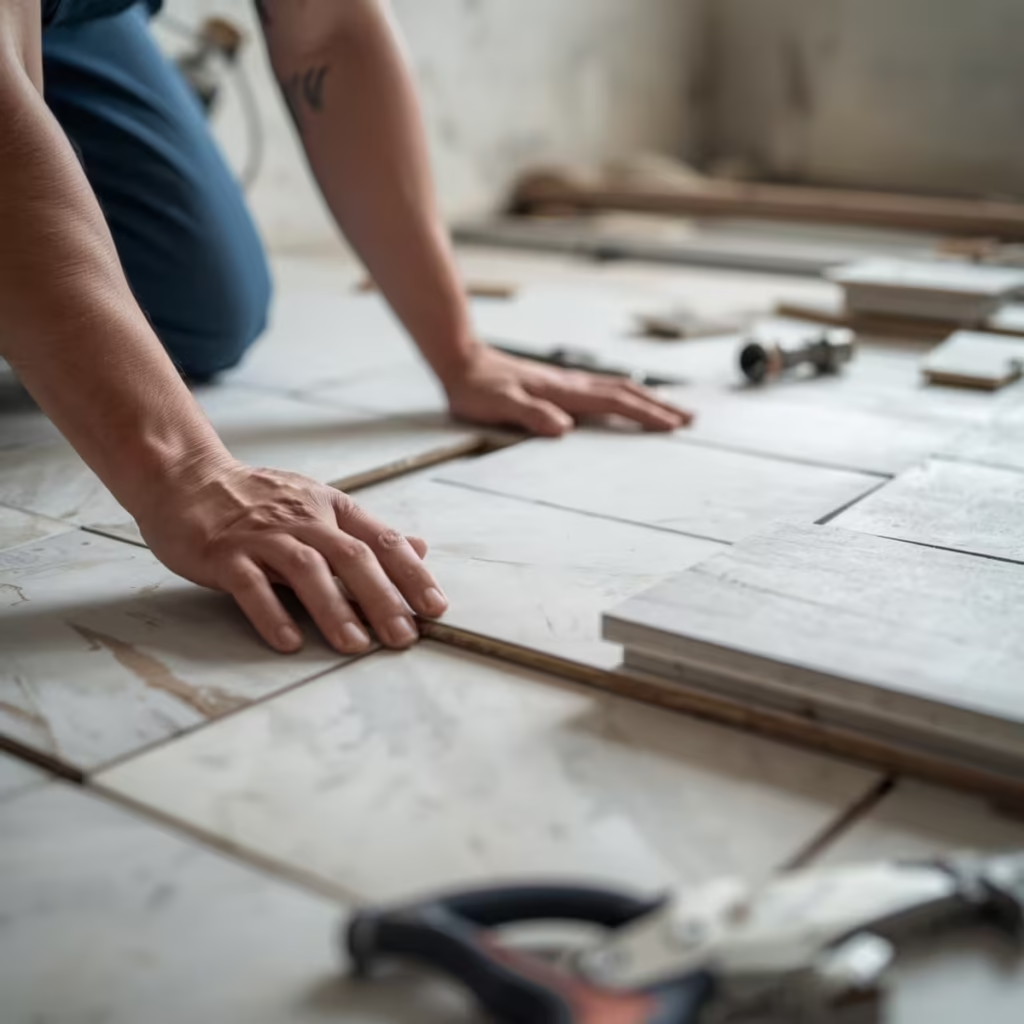
However, professional installation is necessary in most cases. The tiles are heavy and hard to cut without special tools. Additionally, they require a perfectly level subfloor. Therefore, expect to pay $8-15 per square foot installed in 2026. Premium designs cost more.
Will it feel cold underfoot? Yes, unless you install radiant heating underneath. Indeed, porcelain handles heating systems beautifully. Some people love the cool feel. Others find it uncomfortable on winter mornings.
Ceramic Tile: Classic Performance, Better Price

Ceramic tile is porcelain’s more affordable cousin. While slightly more porous, quality glazed ceramic still delivers excellent bathroom performance at a gentler price point.
What makes ceramic appealing:
The variety is incredible. From tiny penny tiles creating vintage vibes to clean subway tiles for modern bathrooms, ceramic adapts to any style. You’ll find endless colors, patterns, and finishes that let your personality shine.
Cost-wise, ceramic typically runs $2-8 per square foot for materials, compared to $5-15 for porcelain. For budget-conscious renovations, this difference matters especially in larger bathrooms.
Performance expectations:
Ceramic works beautifully in bathrooms when properly maintained. The glazed surface resists water, but the grout lines need regular sealing (annually in wet areas). Miss this maintenance, and you’ll see mold growing in grout and possible water seepage underneath.
I recommend ceramic for:
- Powder rooms with lighter use
- Budget renovations prioritizing aesthetics
- Homes where DIY installation is important
- Bathrooms with proper ventilation
Installation reality:
Ceramic is lighter than porcelain, making DIY installation more manageable for experienced home improvers. You’ll still need the right tools and patience, but it’s doable for many homeowners.
Waterproof Flooring Solutions for High-Moisture Bathrooms

Let’s talk waterproofing seriously, because this is where most bathroom floor failures happen.
True waterproof vs. water-resistant:
Waterproof means the material itself won’t be damaged by water ever. Porcelain tile and quality LVP are waterproof. Water-resistant means the material can handle some moisture but will eventually fail with constant exposure. Know the difference.
Critical waterproofing layers:
Your flooring is just one part of waterproofing. Beneath tile, you need a waterproof membrane on the subfloor. This barrier prevents water that seeps through grout from rotting the wood underneath.
Professional waterproofing includes:
- Waterproof membrane on subfloor
- Proper slope toward drains (in shower areas)
- Sealed seams where floor meets walls
- Quality grout (epoxy grout is best)
- Regular grout sealing for cement-based grout
LVP waterproofing considerations:
Install LVP with properly sealed seams. While the planks themselves are waterproof, water can travel between planks if seams aren’t tight. Use quality underlayment designed for bathrooms.
Small Bathroom Flooring: Making Tight Spaces Feel Bigger

Small bathrooms present unique challenges. The wrong flooring choice makes cramped spaces feel even smaller.
Design tricks that actually work:
Large format tiles create a cleaner, more spacious look than small tiles. Fewer grout lines mean less visual clutter and easier cleaning. I typically use 12×24 inch or larger tiles in small bathrooms.
Light colors expand spaces visually. White, cream, light gray, or pale beige tiles reflect light and create airiness. Save dark, dramatic floors for larger bathrooms where they won’t overwhelm.
Diagonal installation magic:
Installing tiles diagonally rather than parallel to walls creates visual movement that makes rooms feel wider. This simple trick adds maybe $100 to installation costs but delivers significant visual impact.
Practical flooring for small spaces:
- Large format porcelain or ceramic tile
- Light-colored luxury vinyl plank
- Continuous flooring extending into the shower
- Minimal pattern or texture
- Glossy or semi-gloss finishes that reflect light
Avoid busy patterns, small mosaic tiles, or dark colors in tiny bathrooms. These choices close in the space and create visual chaos.
Budget-Friendly Bathroom Flooring That Doesn't Look Cheap

Renovating on a tight budget doesn’t mean settling for ugly floors. Smart choices deliver great results without breaking the bank.
Best budget options for 2026:
Ceramic tile remains the budget champion for traditional looks. Shop discount tile stores or catch sales at big-box retailers. I’ve found beautiful ceramic tiles for $1-3 per square foot that look identical to $10 tiles.
Basic luxury vinyl plank offers waterproof protection starting around $2-4 per square foot. Stick with reputable brands even at this price point Lifeproof, TrafficMaster, and similar lines deliver solid performance.
Money-saving strategies:
- Shop remnant sections for discounted tiles
- Choose standard sizes (12×12, 12×24) over custom
- Install yourself if you have basic DIY skills
- Use builder-grade materials with designer installation patterns
- Focus budget on high-impact areas, use basics elsewhere
What to avoid when budget shopping:
Never compromise on waterproofing. Cheap laminate that isn’t truly waterproof will fail in bathrooms. That $0.99 per square foot “bargain” becomes a $3,000 replacement project when it warps.
My budget bathroom secret:
Combine affordable materials with thoughtful design. Basic white ceramic tiles installed in a herringbone pattern look expensive and custom. Gray LVP in a modern bathroom with good lighting appears high-end. Design choices often matter more than material costs.
Luxury Vinyl Plank (LVP): Modern Innovation That Actually Works

Modern luxury vinyl plank has revolutionized bathroom flooring in 2026, and I’m installing it in more bathrooms than ever before. Forget those awful vinyl floors from the 1980s today’s LVP is completely different.
Why LVP is dominating 2026 bathroom renovations:
Today’s LVP offers 100% waterproof protection with stunning wood-look aesthetics that fool even design professionals. The entire plank is waterproof not just the surface so bathroom moisture doesn’t stand a chance.
Real advantages that matter:
- Genuinely waterproof (not water-resistant)
- Feels warmer underfoot than tile
- DIY-friendly click-lock installation
- No grout lines to seal or clean
- Costs $3-8 per square foot installed
- Available in hundreds of wood looks
- Some products work with radiant heating
I installed LVP in my own bathroom three years ago. Zero warping. Zero water damage. It still looks fantastic, and cleaning takes 30 seconds with a damp mop.
The comfort factor:
LVP has slight cushioning that tile lacks. Standing at the sink brushing your teeth feels better on your feet and joints. For older homeowners or anyone with knee issues, this comfort matters more than you’d think.
Honest limitations:
LVP can scratch from sharp objects (though better than hardwood). It won’t last 50 years like porcelain. Quality varies dramatically between brands cheap LVP can still dent or fade. Stick with reputable brands offering good warranties.
Slip-Resistant Bathroom Flooring for Safety

Safety deserves serious consideration. Wet bathroom floors cause thousands of injuries annually, many completely preventable with proper flooring choices.
Slip-resistance factors:
Texture matters more than material. A textured porcelain tile provides better traction than polished marble. Look for tiles with COF (Coefficient of Friction) ratings above 0.60 for wet areas.
Naturally slip-resistant options:
- Textured or honed stone (not polished)
- Matte finish porcelain with texture
- Small format tiles (more grout = more traction)
- LVP with embossed texture
- Penny tile (maximum grout coverage)
High-risk flooring to avoid:
Polished marble, glossy large format tiles, and smooth finishes become ice rinks when wet. I’ve seen people slip on polished tile even when it’s dry, and it’s genuinely dangerous.
Balancing safety and style:
You don’t need ugly non-slip mats to have safe floors. Modern textured tiles look beautiful while providing excellent traction. Honed marble delivers luxury with safety. Thoughtful material selection gives you both.
Natural Stone and Marble: Timeless Luxury

If you want a bathroom that looks like a five-star hotel, natural stone delivers that wow factor instantly.
The undeniable appeal:
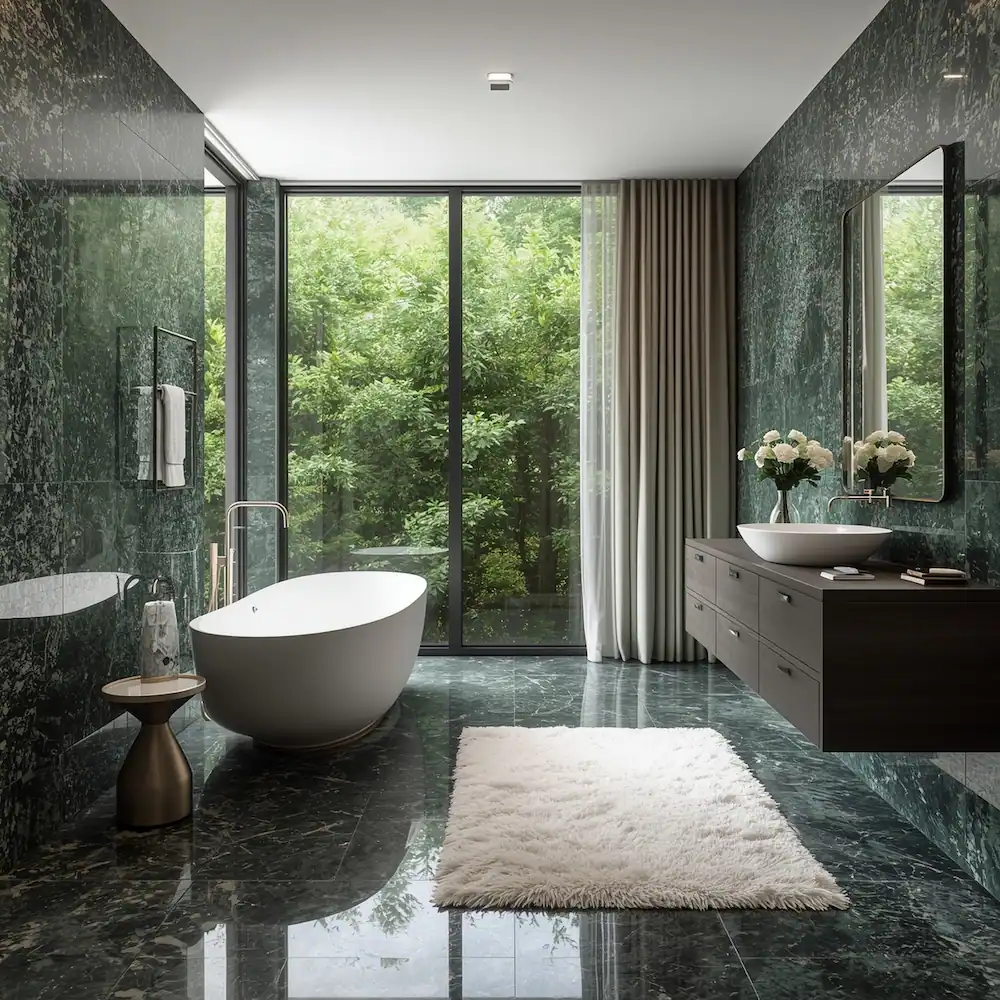
Each marble or stone tile is unique. The organic veining, color variations, and natural patterns create visual interest synthetic materials can’t replicate. White Carrara marble with gray veining remains timelessly elegant. Slate brings earthy, spa-like ambiance.
What you need to know:
Natural stone is porous and requires diligent maintenance. You must seal it properly during installation and reseal annually. Acidic cleaners (including some common bathroom products) can etch the surface, dulling the finish permanently.
Cost reality check for 2026:
- Budget stone: $10-15 per square foot
- Premium marble: $20-40 per square foot
- Rare varieties: $50+ per square foot
- Professional installation: Required
Practical considerations:
Polished marble becomes slippery when wet genuinely dangerous. I always recommend honed or textured finishes for bathroom floors. They provide better traction while showcasing the stone’s beauty.
DIY Installation vs. Professional: Making the Right Choice

Should you install bathroom flooring yourself? The honest answer depends on the material, your skill level, and your tolerance for potential mistakes.
Best materials for DIY installation:
Luxury vinyl plank tops the DIY-friendly list. Click-lock systems require basic tools utility knife, straight edge, tape measure. Most homeowners complete a small bathroom in a weekend.
Ceramic tile suits experienced DIYers comfortable with tools. You’ll need a tile wet saw, trowel, level, and spacers. Mistakes are less forgiving than LVP, but it’s manageable with patience and research.
When to hire professionals:
Porcelain tile really should be professionally installed. The weight, specialized cutting tools needed, and precision required make DIY challenging. Poor installation voids warranties and leads to cracked tiles.
Natural stone demands professional expertise. Improper setting causes cracks. Wrong sealants allow staining. Variable tile thickness requires skilled leveling. Don’t risk expensive stone with amateur installation.
Cost comparison reality for 2026:
- DIY LVP bathroom: $200-500 in materials
- Professional LVP installation: Add $300-600 labor
- DIY ceramic tile: $300-800 materials and tool rental
- Professional tile installation: Add $800-1,500 labor
Factor in your time value. That “weekend project” often becomes a week-long ordeal when you hit complications. Sometimes professional installation is the smarter investment.
Maintenance and Cleaning: Keeping Floors Beautiful

Beautiful floors require appropriate care. Here’s what actually works for each material.
Porcelain and Ceramic Tile Care
Daily maintenance is simple. Sweep or vacuum first. Then damp mop with mild cleaner. Indeed, the tiles themselves are virtually indestructible.
Grout Maintenance Essentials
Grout requires special attention:
- Apply sealant to grout lines after installation
- Reapply protection annually in high-moisture areas
- Clean grout with baking soda paste for stains
- Consider epoxy grout for zero maintenance
Luxury Vinyl Plank Maintenance
LVP wins the easy-care competition. Simply sweep regularly. Mop with vinyl floor cleaner. No sealing required. No special products needed. No fuss whatsoever.
Common Mistakes to Avoid
Watch out for these errors:
- Steam mops can damage LVP seams
- Abrasive scrubbers scratch surfaces
- Bleach can discolor grout over time
- Excess water pools in grout lines
Natural Stone Special Care
Use pH-neutral cleaners only. Acidic products etch stone permanently. Additionally, reseal annually. Clean spills immediately before they stain. Stone requires commitment. If you’re not willing to provide special care, choose different flooring.
Comparing Costs: Real Budget Expectations for 2026

Let’s talk actual numbers for a standard 5×8 foot bathroom (40 square feet).
Budget tier ($400-$900 total):
- Basic ceramic tile or economy LVP
- DIY installation
- Standard grout and basic materials
- Minimal prep work needed
Mid-range tier ($1,300-$2,800 total):
- Quality porcelain or premium LVP
- Professional installation
- Proper waterproofing layers
- Subfloor repairs if needed
Luxury tier ($3,500-$7,000+ total):
- Natural stone or designer porcelain
- Expert installation
- Custom patterns or borders
- Radiant floor heating
- Premium finishing materials
Hidden costs to budget:
- Subfloor repair: $200-$900
- Waterproof membrane: $100-$350
- Toilet removal/reinstall: $100-$250
- Baseboard replacement: $100-$350
- Tool rental for DIY: $50-$150
Money-saving without compromising quality:
Shop sales aggressively. I’ve seen 40-60% discounts on discontinued tile colors that look identical to current lines. Buy 10-15% extra for future repairs matching discontinued tiles later is nearly impossible.
Bathroom Flooring Installation: Timeline and Process
Understanding what installation actually involves helps you plan renovations realistically.
Typical installation timeline:
- Preparation (1-2 days): Remove old flooring, repair subfloor damage, ensure level surface
- Waterproofing (1 day): Install membrane, allow proper drying time
- Tile installation (2-3 days): Set tiles, allow thinset to cure
- Grouting (1 day): Apply grout, initial cleaning
- Finishing (1-2 days): Final cleaning, grout sealing, reinstall fixtures
Total timeline for professional tile installation: 5-8 days. LVP installation typically takes 1-3 days total.
Subfloor preparation matters:
Your flooring is only as good as what’s underneath. Uneven subfloors cause tiles to crack and LVP to develop gaps. Professional installers level subfloors properly this step is crucial.
Living without your bathroom:
Plan alternative bathroom arrangements during installation. Most installers won’t let you use the bathroom for 48-72 hours after tile installation to allow proper curing. Factor this inconvenience into your renovation planning.
2026 Bathroom Flooring Trends to Watch
As we head into 2026, several flooring trends are reshaping bathroom design.
Warm Tones Replace Cool Grays
Warm-toned materials are replacing cool grays. Specifically, beige, cream, warm wood tones, and terracotta dominate new projects. Moreover, these warmer palettes create inviting atmospheres that feel comfortable like spas.
Larger Format Tiles Continue Growing
Large format tiles keep expanding in popularity. In fact, 24×48 inch and even 36×36 inch tiles are becoming standard. Consequently, they minimize grout lines and create sleek, seamless looks that feel contemporary.
Textured Surfaces for Safety
More homeowners prioritize slip-resistant textures without sacrificing aesthetics. Fortunately, manufacturers are responding with beautiful textured porcelain options. These products combine safety with style effectively.
Sustainable Materials Gaining Traction
Eco-friendly options appeal to environmentally conscious renovators. For instance, recycled glass tiles, FSC-certified wood-look products, and low-VOC materials are popular choices. Furthermore, sustainable selections no longer mean compromising on looks or performance.
Mixed Materials Creating Zones
Different flooring materials define wet zones versus dry zones effectively. This approach adds both visual interest and functionality. Additionally, it helps protect specific areas while creating architectural definition.
FAQs About Bathroom Flooring
What is the best flooring for a bathroom in 2026?
Porcelain tile and luxury vinyl plank (LVP) are the top choices for bathroom flooring. Porcelain offers unmatched durability and water resistance, lasting 50+ years with minimal maintenance. LVP provides excellent waterproof protection at lower cost with easier installation. Both handle bathroom moisture perfectly when properly installed.
Is luxury vinyl plank good for bathrooms?
Yes, quality luxury vinyl plank works excellently in bathrooms. Modern LVP is 100% waterproof (not just water-resistant), resists mold and mildew, and costs 40-60% less than tile. It feels warmer underfoot than ceramic or porcelain and installs easily as a DIY project. Choose reputable brands with good warranties for best results.
Can you put laminate flooring in a bathroom?
Traditional laminate flooring should be avoided in full bathrooms. While some manufacturers claim “water-resistant” laminate, most laminate has wood-based cores that swell and warp with moisture exposure. If you love the laminate look, choose waterproof luxury vinyl plank instead—it looks similar but truly handles bathroom conditions.
How much does it cost to install bathroom flooring in 2026?
Bathroom flooring costs typically range from $400-$7,000 depending on materials and bathroom size. For a standard 40-square-foot bathroom, expect $900-$1,600 for professional ceramic tile installation, $600-$1,300 for luxury vinyl plank, or $2,200-$4,500 for natural stone. DIY installation saves $300-$1,000 in labor costs but requires appropriate skills.
What type of tile is best for bathroom floors?
Porcelain tile is best for bathroom floors due to superior water resistance and durability. Choose textured or matte finishes rather than polished surfaces for slip resistance. Large format tiles (12×24 inches or bigger) minimize grout lines and create modern looks. Ceramic tile works well as a budget-friendly alternative, though it requires more maintenance than porcelain.
Does bathroom flooring need to match throughout the house?
No, bathroom flooring doesn’t need to match other rooms. Bathrooms require waterproof materials that differ from living areas. Choosing appropriate bathroom-specific flooring (tile or waterproof vinyl) makes more sense than using hardwood or carpet that can’t handle moisture. Complementary colors or styles create cohesion without identical materials.
How do I make my small bathroom floor look bigger?
Use large format tiles (12×24 inches or larger) in light colors to make small bathrooms appear more spacious. Install tiles diagonally to create visual movement. Choose glossy or semi-gloss finishes that reflect light. Minimize pattern and texture. Extend the same flooring into the shower area for visual continuity that expands perceived space.
Is heated bathroom flooring worth it in 2026?
Heated bathroom flooring (radiant heating) adds $8-15 per square foot but delivers exceptional comfort and luxury. It’s most cost-effective when installed during renovation since retrofitting is expensive. Radiant heating works excellently under tile, warms cold floors, and reduces bathroom humidity. If budget allows, it’s a worthwhile upgrade that adds home value.
Making Your Final Decision
Match flooring to your budget – Choose ceramic tile or quality LVP for cost-effectiveness, or invest in porcelain or natural stone for long-lasting luxury
Prioritize waterproofing – Proper installation with waterproof membranes and sealed grout prevents thousands in future repairs
Consider your lifestyle honestly – Skip natural stone if you won’t maintain it regularly; opt for porcelain or LVP if kids will flood the floor daily
Choose DIY-friendly options when needed – LVP offers the easiest installation for do-it-yourself projects
Think long-term value – Spending an extra $500-$1,000 now on quality materials saves money over 20 years compared to replacing cheap flooring multiple times
Invest in proper installation – Quality bathroom flooring lasts decades when installed correctly, creating a beautiful and functional space that serves you well for years to come
Written by: Home Decor Editor.
Experience: 7+ years.
Specializes in residential interior styling, renovation trends, and material selection across living, kitchen, bathroom, and outdoor spaces. Contributes decor content for multiple home-focused publications.
More about our editorial team: About Us
Best Bathroom Flooring Ideas: Complete Expert Guide for 2026