Biophilic Smart Homes: Where Technology Speaks Nature's Language
Written by: M. Yazdaan — Home Decor Editor
Experience: 7+ years in residential interior styling
Specialization: Renovation trends, material selection, and smart living spaces
Editorial Review: Emma Cartel — Research & Editorial Standards Coordinator (8+ years)
Introduction: The Missing Piece in Modern Smart Homes
Most smart homes today feel efficient but emotionally cold. Moreover, they’re packed with visible gadgets, glowing screens, and devices that demand constant attention. Meanwhile, homeowners across the USA, UK, and Europe are searching for something different.
They want spaces that feel alive, balanced, and genuinely calming.
This is where biophilic smart homes change everything. Instead of filling rooms with technology for technology’s sake, these homes use invisible automation to support what we truly crave: natural light, fresh air, living greenery, and organic materials that respond to our rhythms.
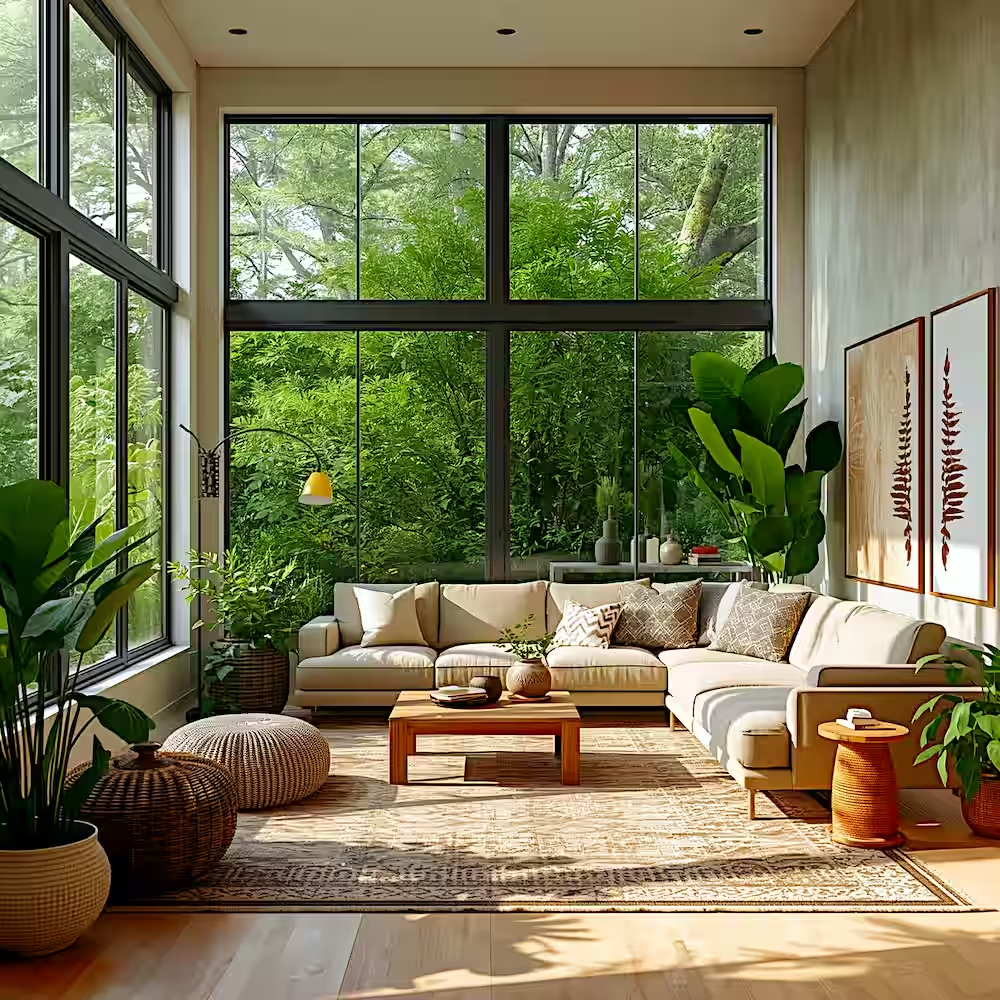
The result? Homes that reduce stress, improve sleep quality, and create environments where both humans and plants thrive together.
This comprehensive guide covers:
- What biophilic smart homes actually are (beyond the buzzwords)
- Why traditional smart homes often fail to deliver wellbeing
- The five core systems that make biophilia and technology work together
- Room-by-room implementation strategies with real examples
- Common mistakes that kill plants and ruin the experience
- The future of nature-led smart living
Let’s explore how technology finally learned to speak nature’s language.
What Exactly Is a Biophilic Smart Home?
A biophilic smart home combines three essential elements. First, it incorporates biophilic design principles like natural light, indoor plants, organic materials, and visual connections to nature. Second, it uses invisible smart technology for lighting control, air quality monitoring, humidity regulation, and responsive automation. Third, and most importantly, it prioritizes human wellbeing as the ultimate goal.
Unlike traditional smart homes that focus purely on convenience and control, biophilic smart homes focus on comfort, health, and emotional balance. Furthermore, the technology doesn’t announce itself through visible gadgets or constant notifications. Instead, it quietly adapts to support natural rhythms and living systems.
The Critical Difference
Traditional smart home = efficiency and automation
Biophilic smart home = efficiency with wellbeing and life
This distinction matters because it changes how every system gets designed, implemented, and experienced daily.
Why Biophilic Smart Homes Matter More Than Ever
The Indoor Living Crisis
According to research backed by the EPA and WHO, people in developed regions now spend between 85-90% of their time indoors. Consequently, indoor environmental quality directly impacts sleep patterns, cognitive function, mood regulation, and long-term health outcomes.
Poor indoor air quality, harsh artificial lighting, and disconnection from natural cycles create what researchers call “environmental stress.” Additionally, this stress accumulates quietly over time, affecting everything from productivity to emotional resilience.
Biophilic smart homes address this crisis by creating indoor environments that mimic the beneficial aspects of outdoor spaces.
Where Traditional Biophilic Design Falls Short
Classic biophilic interiors look beautiful in photographs. However, they often fail in real-world use because they’re:
- Static and unchanging — Fixed plant placement regardless of seasonal light changes
- Maintenance-intensive — Requiring constant manual care and adjustment
- Not responsive — Unable to adapt to environmental changes or occupant needs
- Visually focused only — Missing the air quality, humidity, and circadian benefits
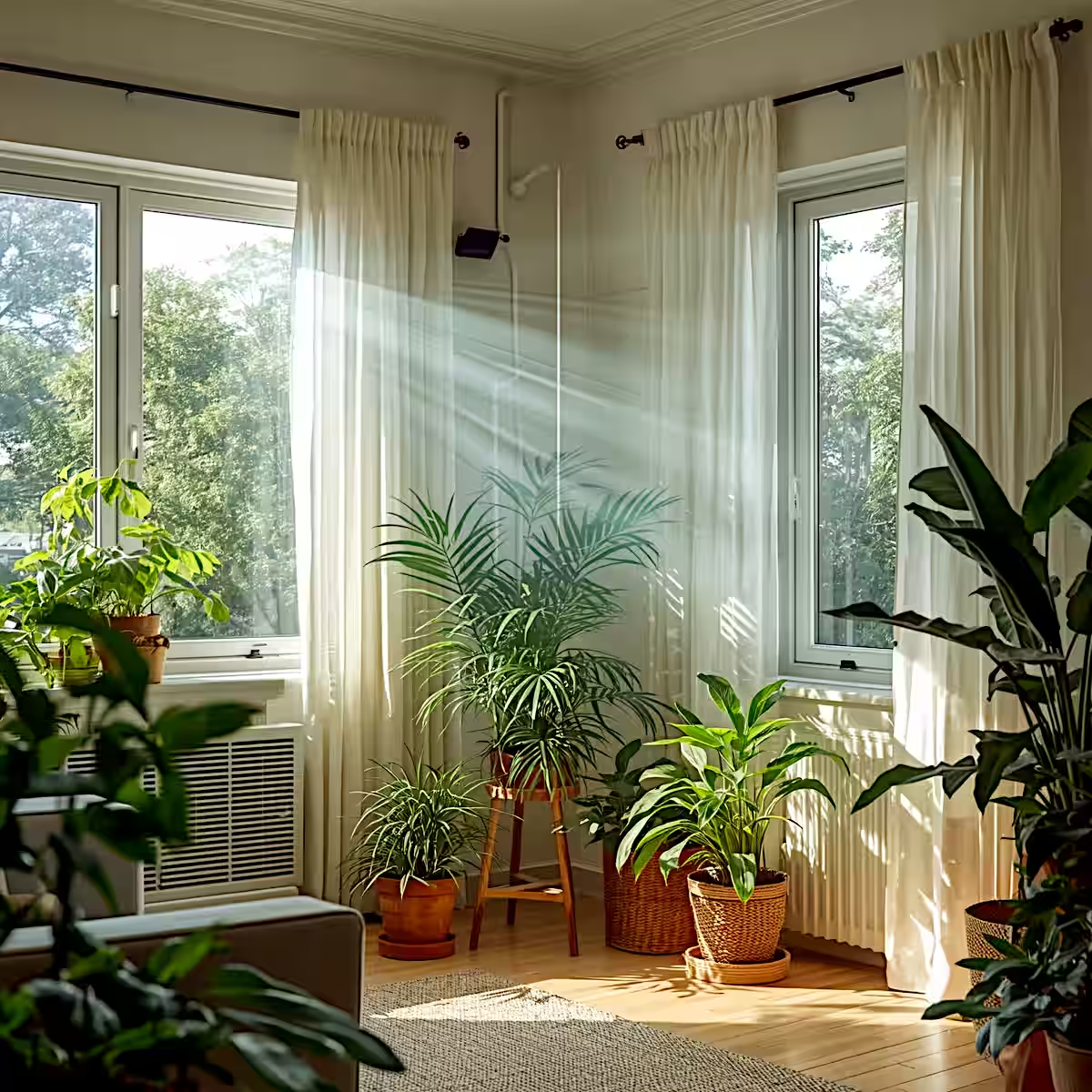
Smart systems solve these limitations, but only when implemented with nature-first thinking rather than technology-first thinking.
Active vs Passive Biophilic Design (The Game-Changing Shift)
Understanding this distinction changes everything about how you approach biophilic smart homes.
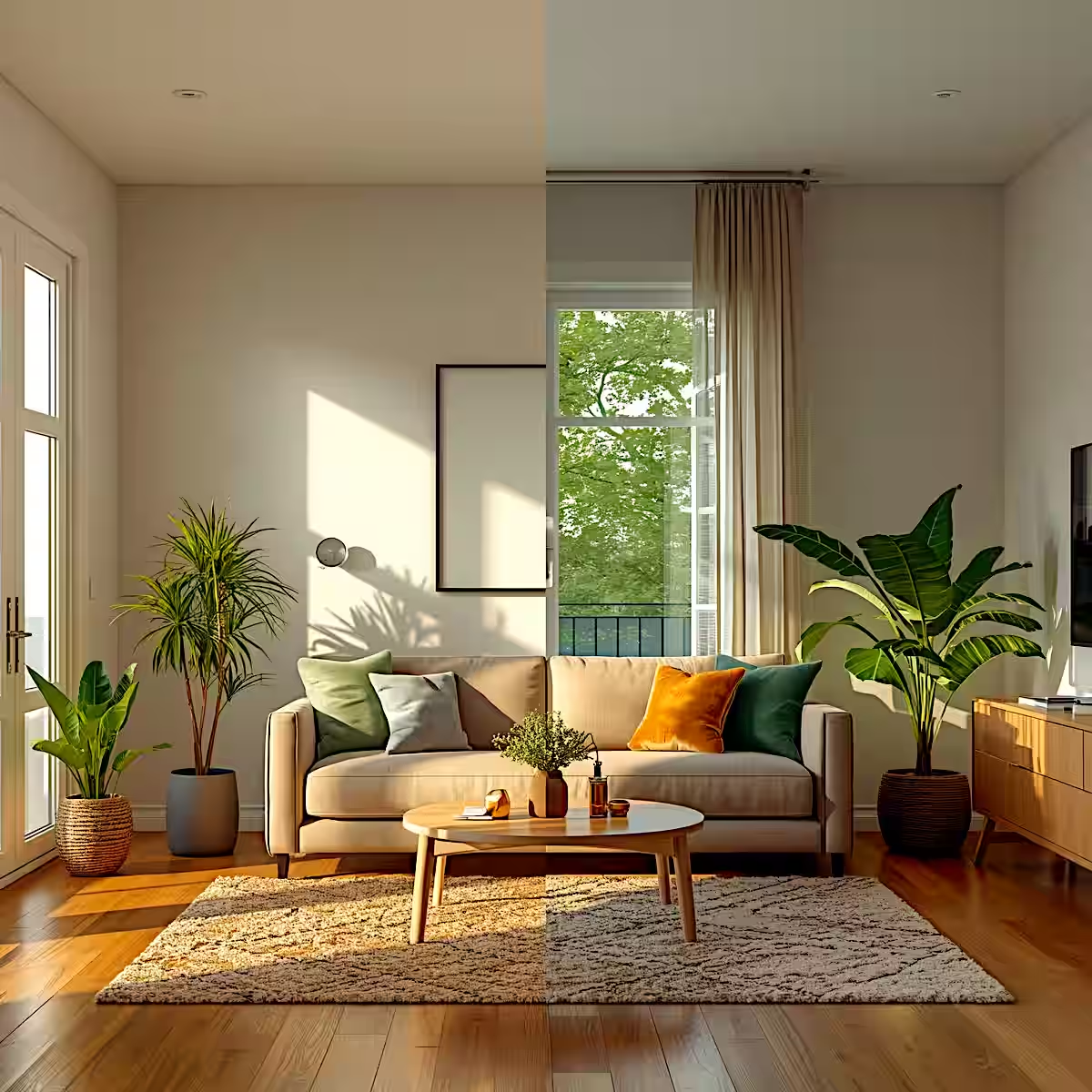
| Passive Biophilic Design | Active Biophilic Smart Homes |
|---|---|
| Fixed plant placement | Sensor-guided plant zoning based on microclimates |
| Static daylight exposure | Adaptive circadian lighting that follows natural rhythms |
| Manual window ventilation | Smart air quality control with natural ventilation cycles |
| Decorative nature elements | Responsive living systems that interact with occupants |
| Seasonal plant replacement | Automated seasonal transitions and support |
This shift from passive decoration to active systems defines what makes modern biophilic smart homes genuinely effective. Moreover, it explains why simply adding plants to a smart home doesn’t create biophilic living.
The technology must serve the biology, not the other way around.
The 5 Core Systems of Biophilic Smart Homes
Every successful biophilic smart home integrates these five interconnected systems. Additionally, each system supports the others while remaining invisible to daily experience.
System 1 — Living Light System (Circadian Lighting)
Natural sunlight changes dramatically throughout the day. It shifts from cool blue morning light to warm golden evening tones. Furthermore, these changes regulate our circadian rhythms, affecting sleep quality, hormone production, and mental clarity.
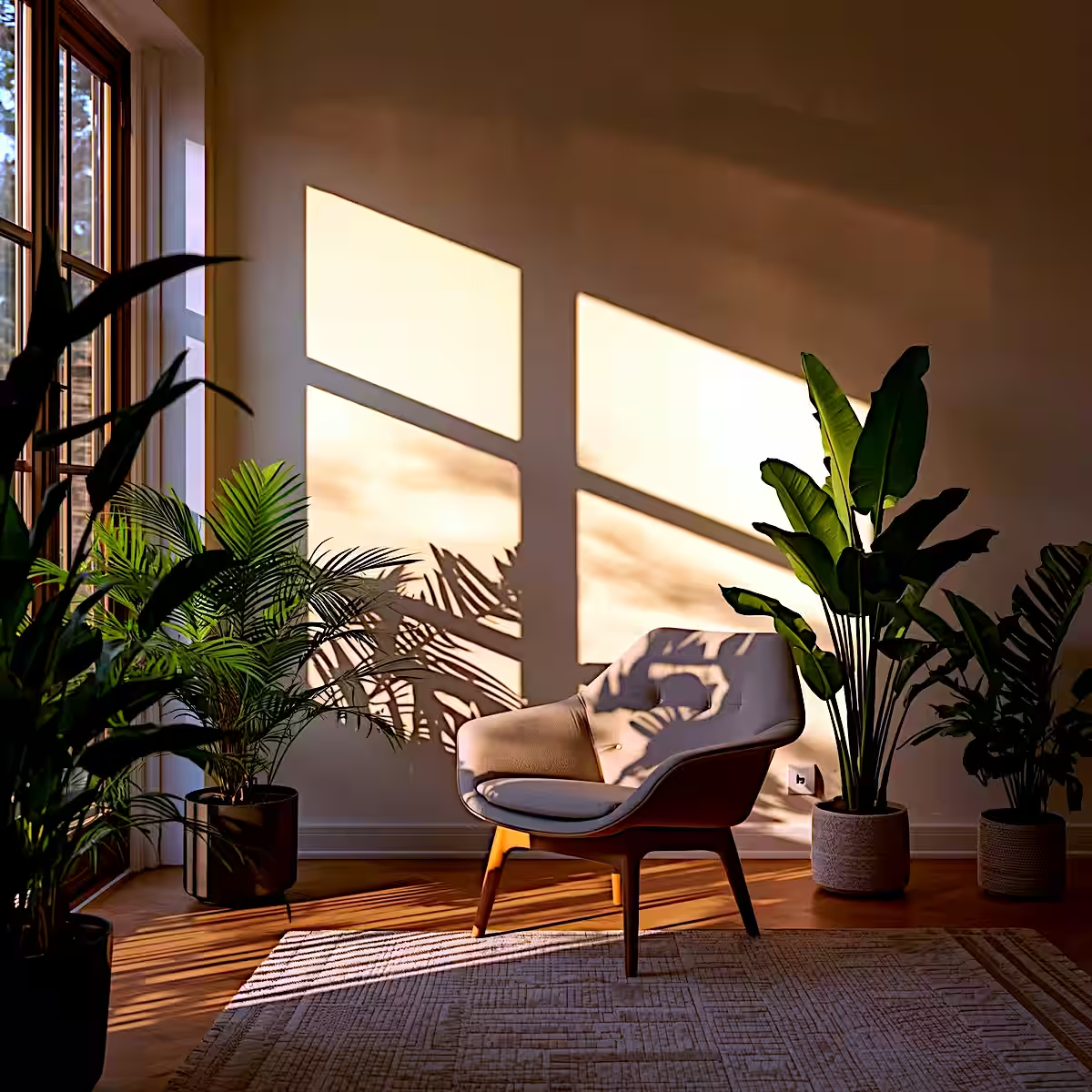
Smart circadian lighting systems replicate these natural patterns indoors. However, unlike basic programmable lighting, truly biophilic systems respond to actual daylight conditions outside and adjust accordingly.
Key Benefits:
- Improved sleep cycles and easier morning wake-up
- Reduced digital eye strain and headaches
- Enhanced mental clarity during working hours
- Better mood regulation throughout seasons
Implementation Best Practices:
First, use warm color temperatures (2700-3000K) during evening hours to support melatonin production. Second, implement cooler daylight tones (4000-5000K) during morning and midday for alertness. Third, integrate fixtures into architectural elements rather than using visible standalone devices. Finally, ensure lights can dim to nearly zero for true darkness at night.
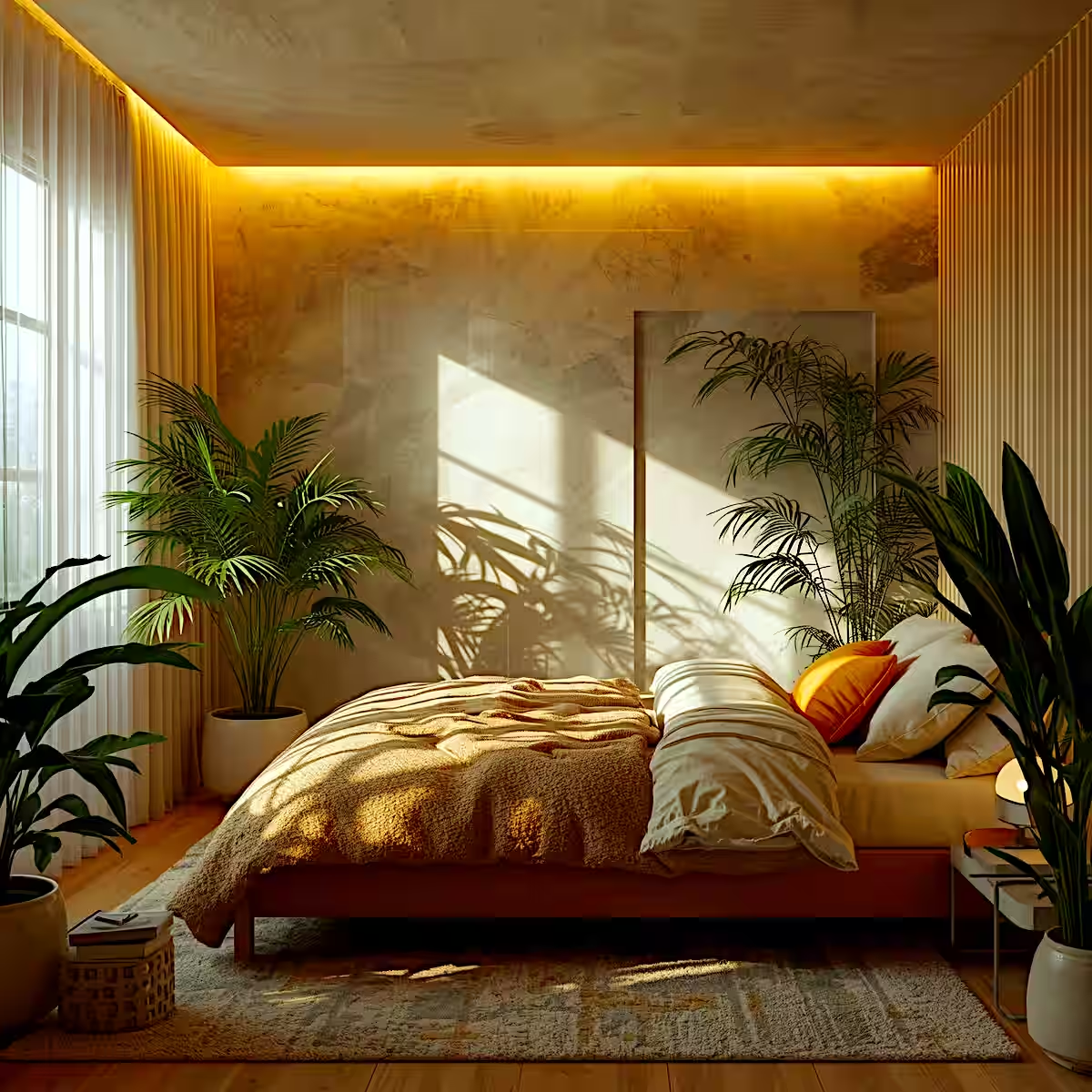
The bedroom above demonstrates how integrated ceiling lighting creates soft ambient washes that change throughout the day, supporting natural sleep-wake cycles without any visible technology.
System 2 — Adaptive Air & Oxygen System
Plants improve indoor air quality by absorbing carbon dioxide and releasing oxygen. However, they only provide these benefits when airflow patterns support their function. Stagnant air or poor circulation neutralizes most of the advantages.
Smart air systems create the necessary conditions by monitoring CO₂ levels continuously, triggering natural ventilation cycles through automated window controls, and maintaining quiet, invisible airflow that doesn’t create drafts.
Why This Matters in Urban Settings:
City apartments in London, New York, Berlin, and Paris face unique challenges. External air quality may be poor, windows often face other buildings rather than nature, and mechanical HVAC systems dominate. Therefore, smart air systems must balance outdoor air intake with filtration and plant-based purification.
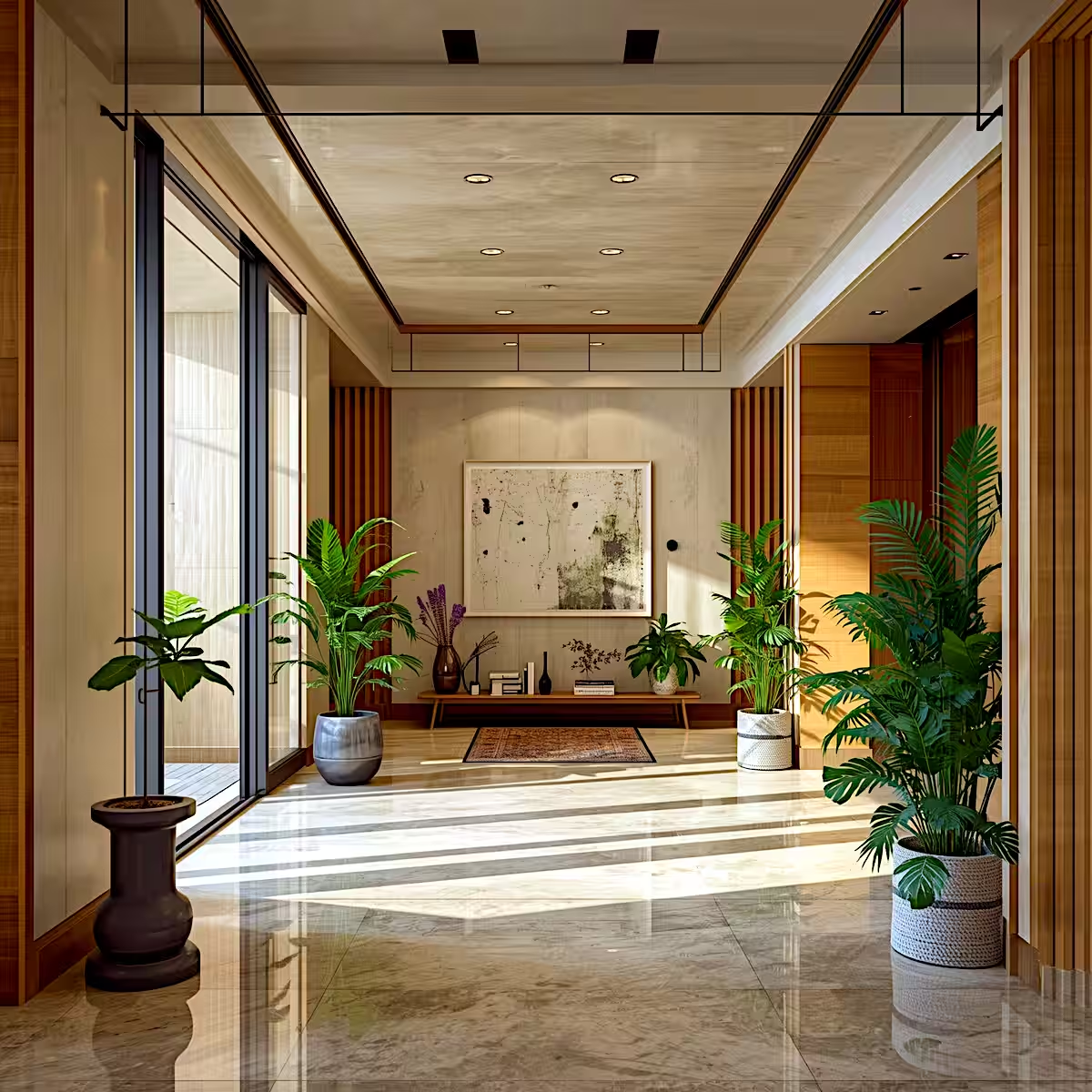
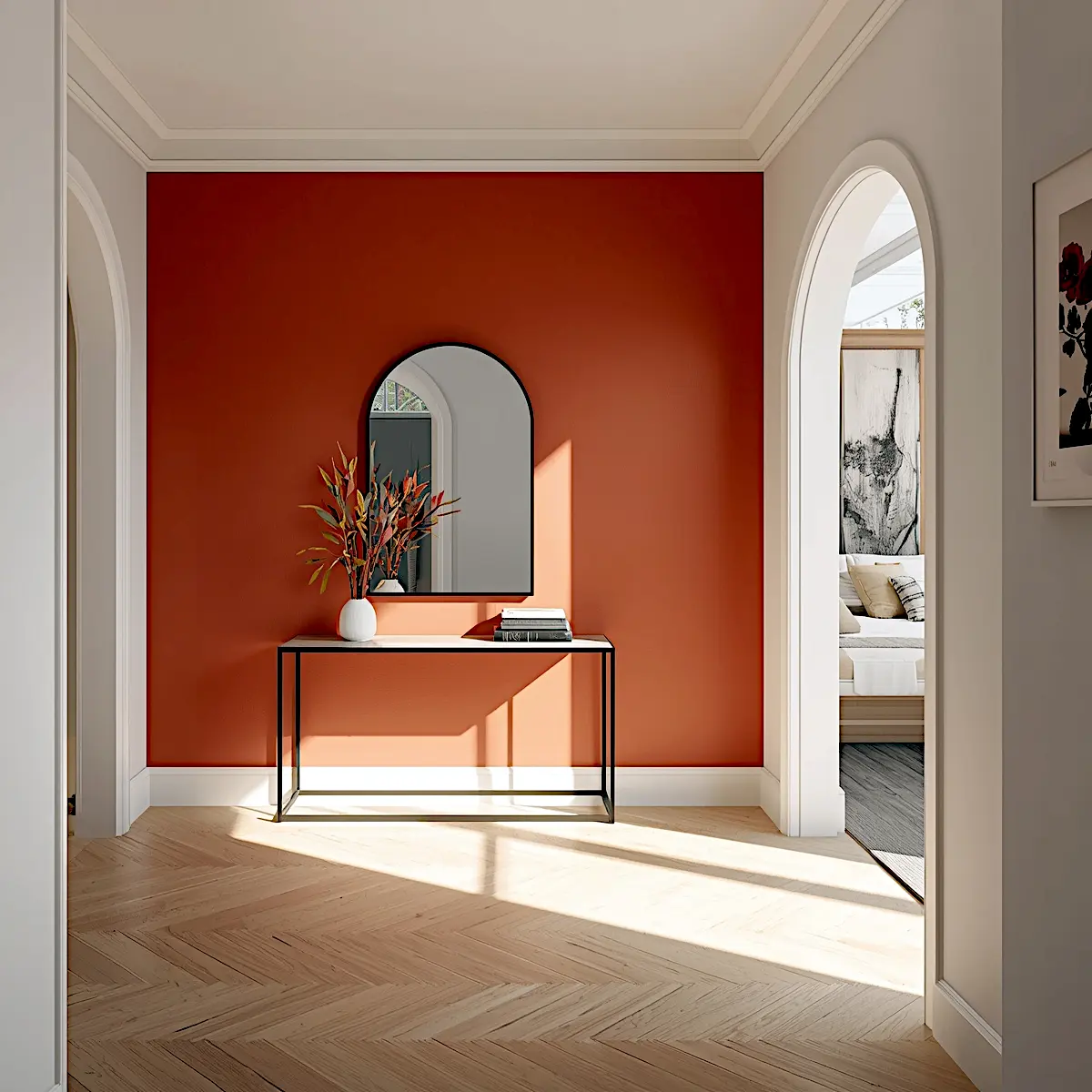
The entryway design above shows strategic plant placement near natural ventilation points, creating an air-cleansing transition zone between outdoor and indoor environments.
System 3 — Plant Intelligence Network
This is where most traditional smart homes fail completely. Many people assume automation helps plants thrive. However, over-automation often kills them instead.
Not all plants need identical light, water, or humidity. Tropical species require different conditions than Mediterranean herbs or succulents. Furthermore, plant needs change with seasons, growth stages, and room orientation.
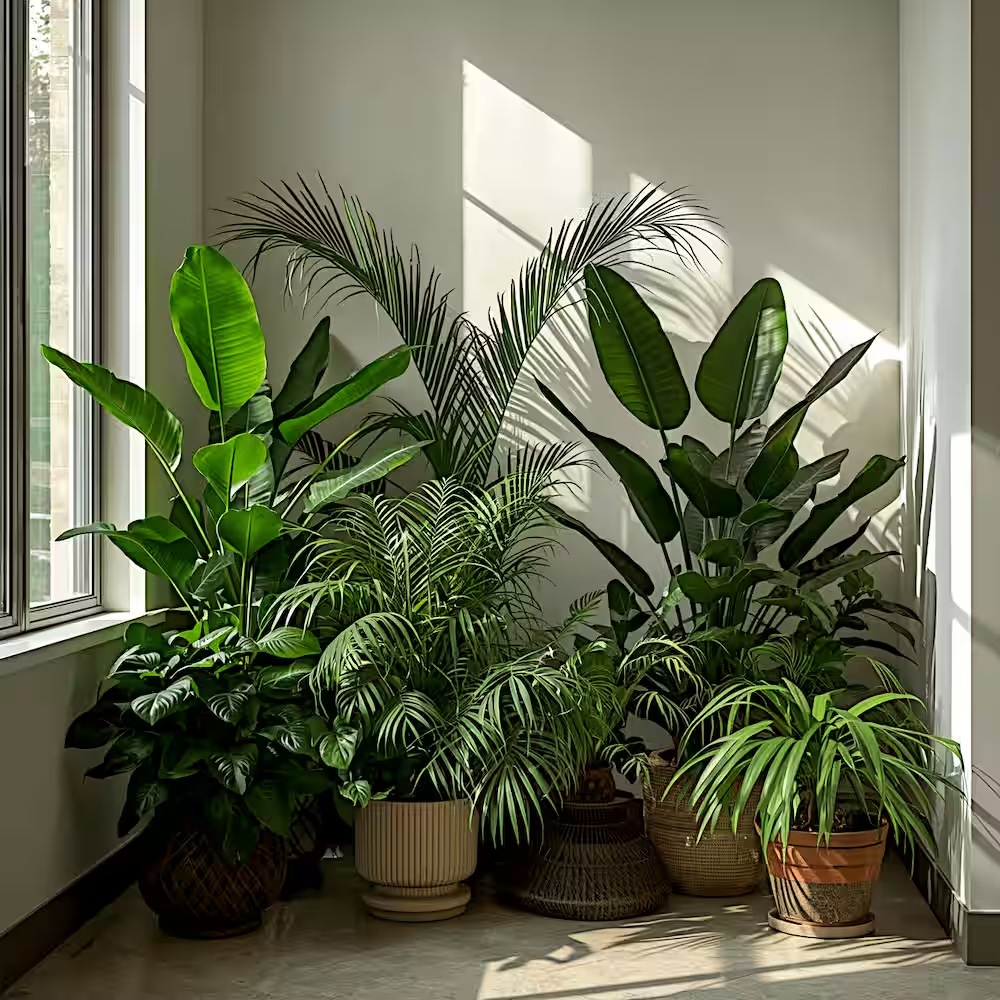
A true plant intelligence network groups plants by microclimate requirements, avoids over-watering through soil moisture sensors, prevents light stress by matching plant species to actual available sunlight, and adjusts care routines seasonally rather than running fixed schedules.
Critical Implementation Rule:
Start with plant biology first, then add technology to support it. Never force plants to adapt to arbitrary automation schedules.
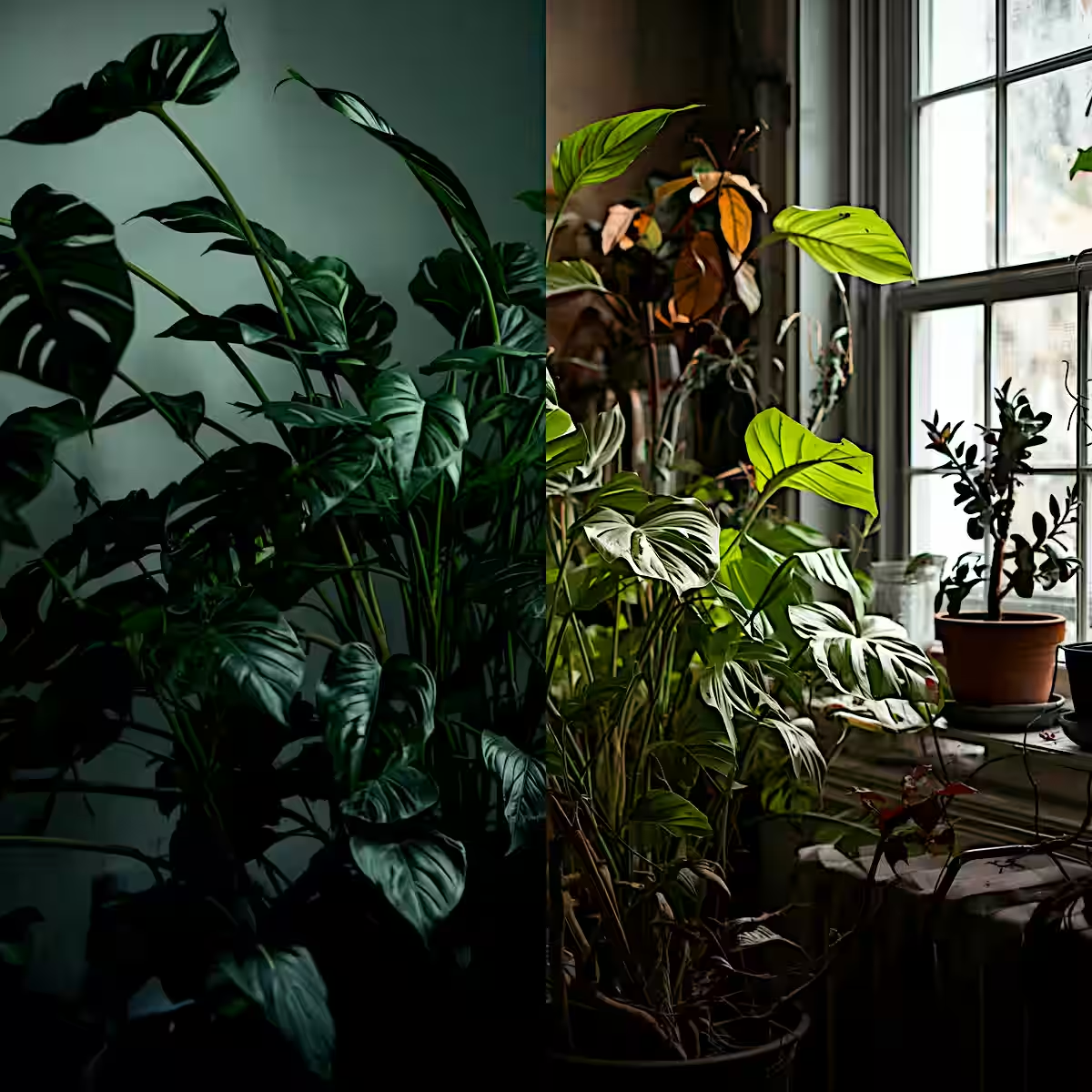
The image above illustrates what happens when technology ignores plant biology stressed, yellowing foliage from excessive artificial lighting and poor humidity management.
System 4 — Water & Humidity Harmony
Balanced humidity levels protect multiple elements simultaneously. They support healthy indoor plants, preserve wooden furniture and flooring, and maintain comfortable breathing and skin hydration for occupants.
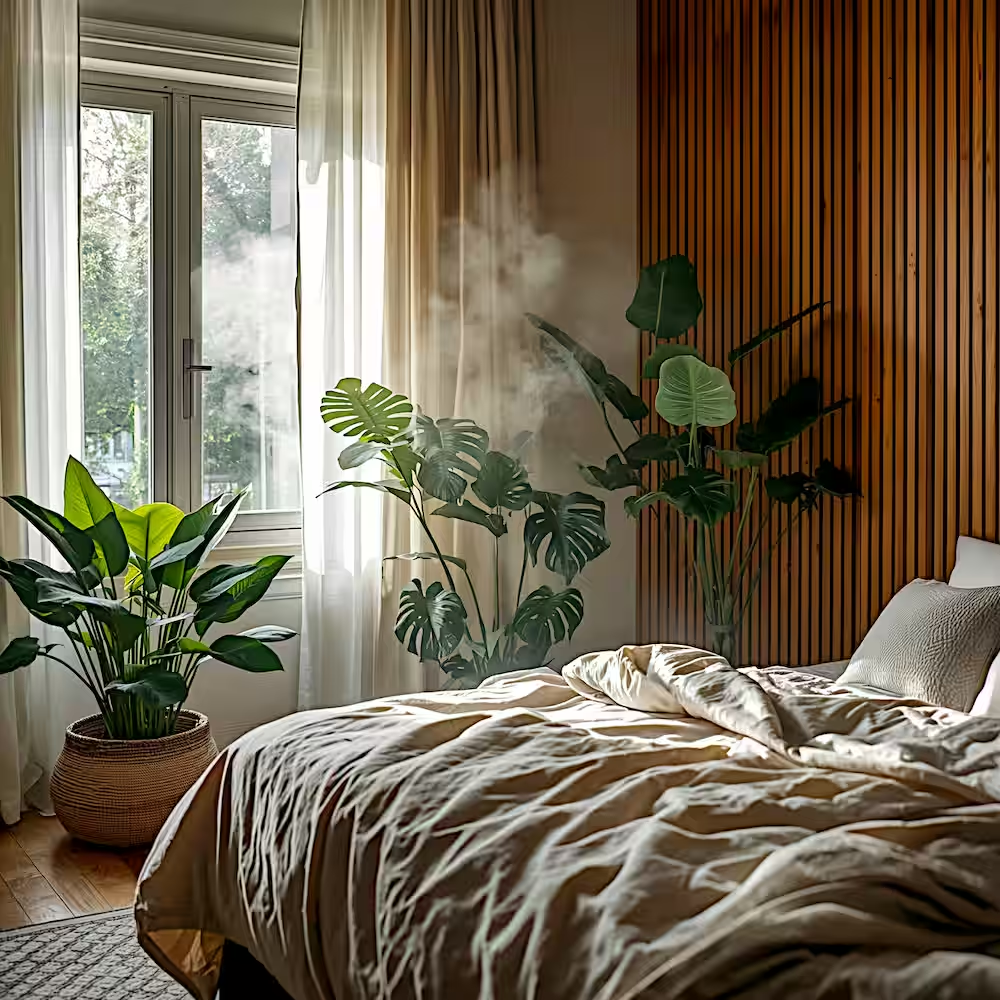
However, visible humidifiers and dehumidifiers ruin the aesthetic that biophilic design creates. Therefore, smart systems use integrated HVAC humidification, moisture-permeable natural materials that buffer humidity naturally, and subtle monitoring that adjusts without obvious devices.
Target Humidity Ranges:
- Living spaces: 40-50% relative humidity
- Bedrooms: 40-45% for comfortable sleep
- Kitchens: 45-55% to protect wood and prevent mold
- Bathrooms: Controlled ventilation after use to prevent excess
Smart systems maintain these ranges automatically while remaining completely invisible to daily life.
System 5 — Natural Material Feedback Loop
Materials like solid wood, natural stone, linen textiles, and clay surfaces interact dynamically with light, temperature, and humidity. They absorb and release moisture, change appearance subtly throughout the day, and age beautifully over time.

Smart homes can amplify these natural relationships instead of replacing organic materials with artificial surfaces. For example, temperature sensors ensure wood flooring doesn’t dry out excessively. Moreover, lighting systems highlight stone textures during golden hour. Additionally, climate control protects linen and cotton from humidity damage.
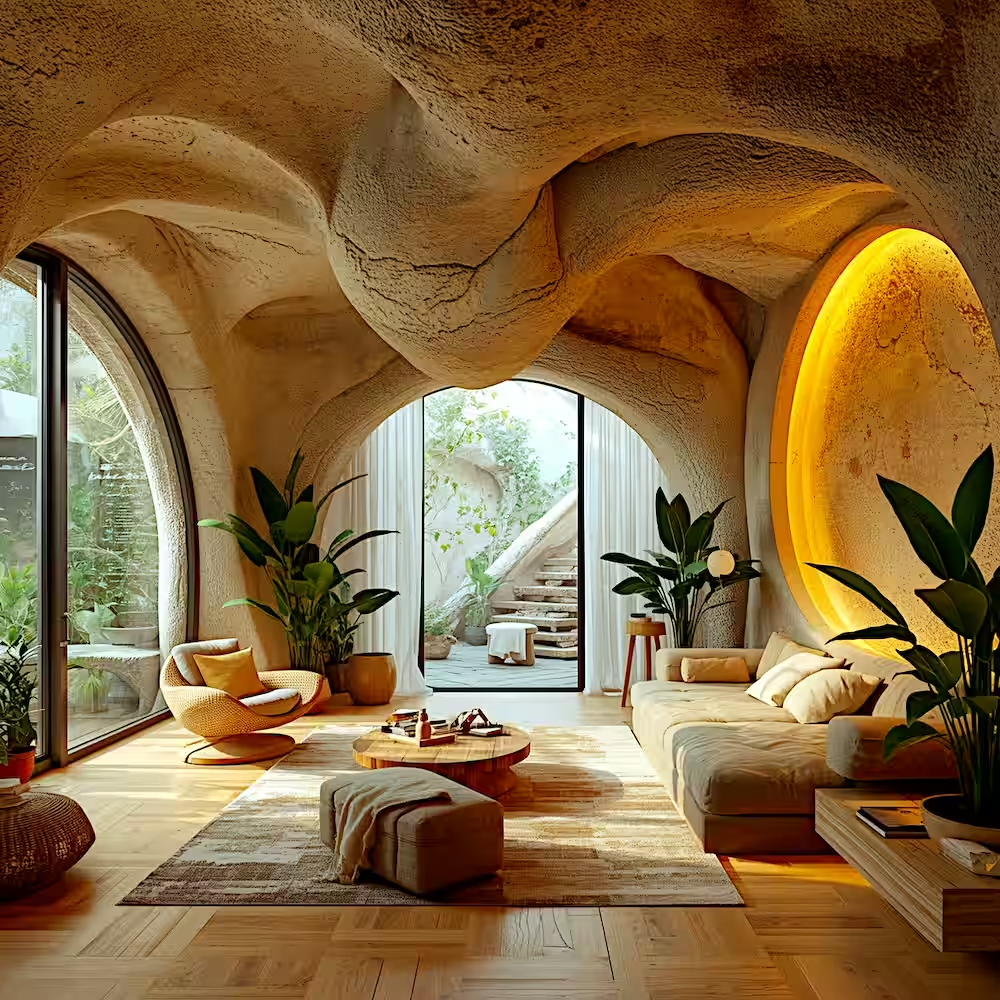
The architectural space above demonstrates how natural materials respond to changing light throughout the day, creating visual interest without requiring any decorative objects.
Room-by-Room Biophilic Smart Home Design
Implementation varies significantly by room function. Each space requires different combinations of the five core systems based on how people actually use it.
Biophilic Smart Living Room Design
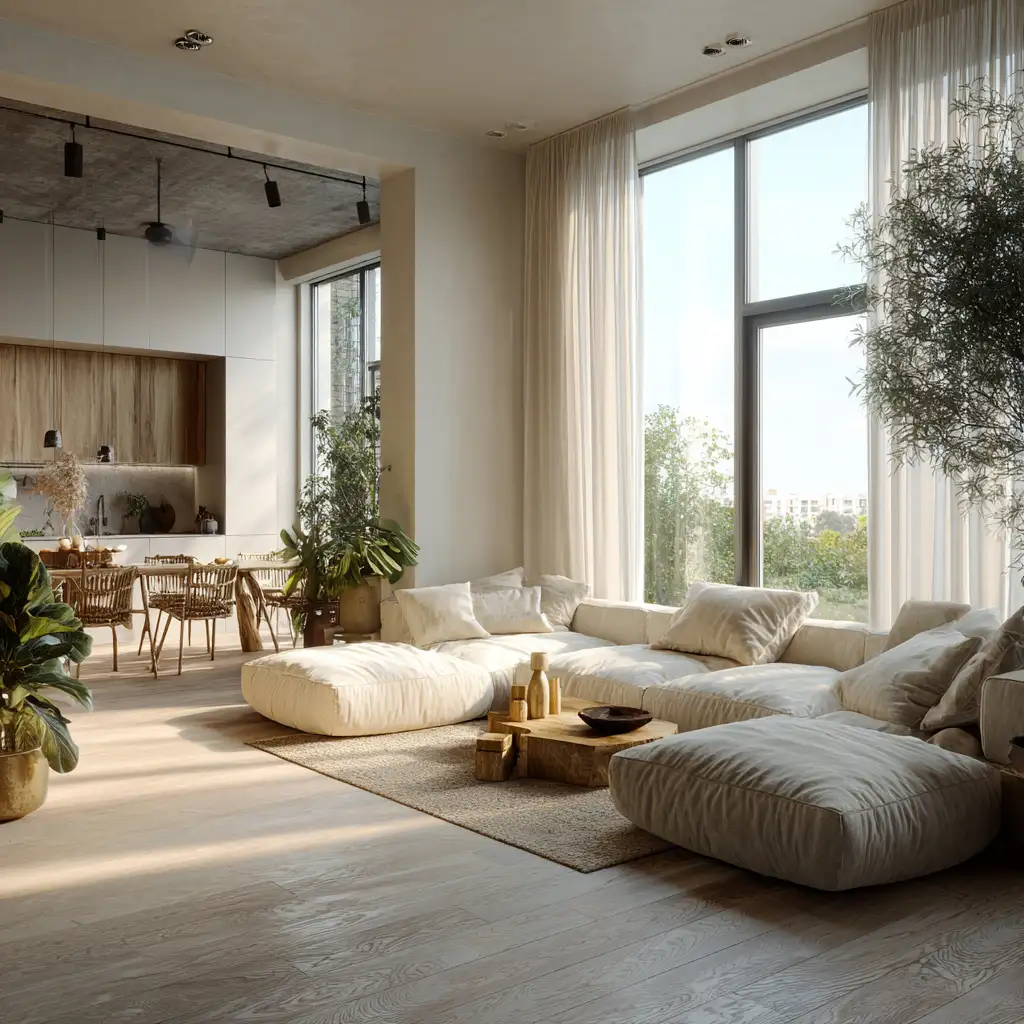
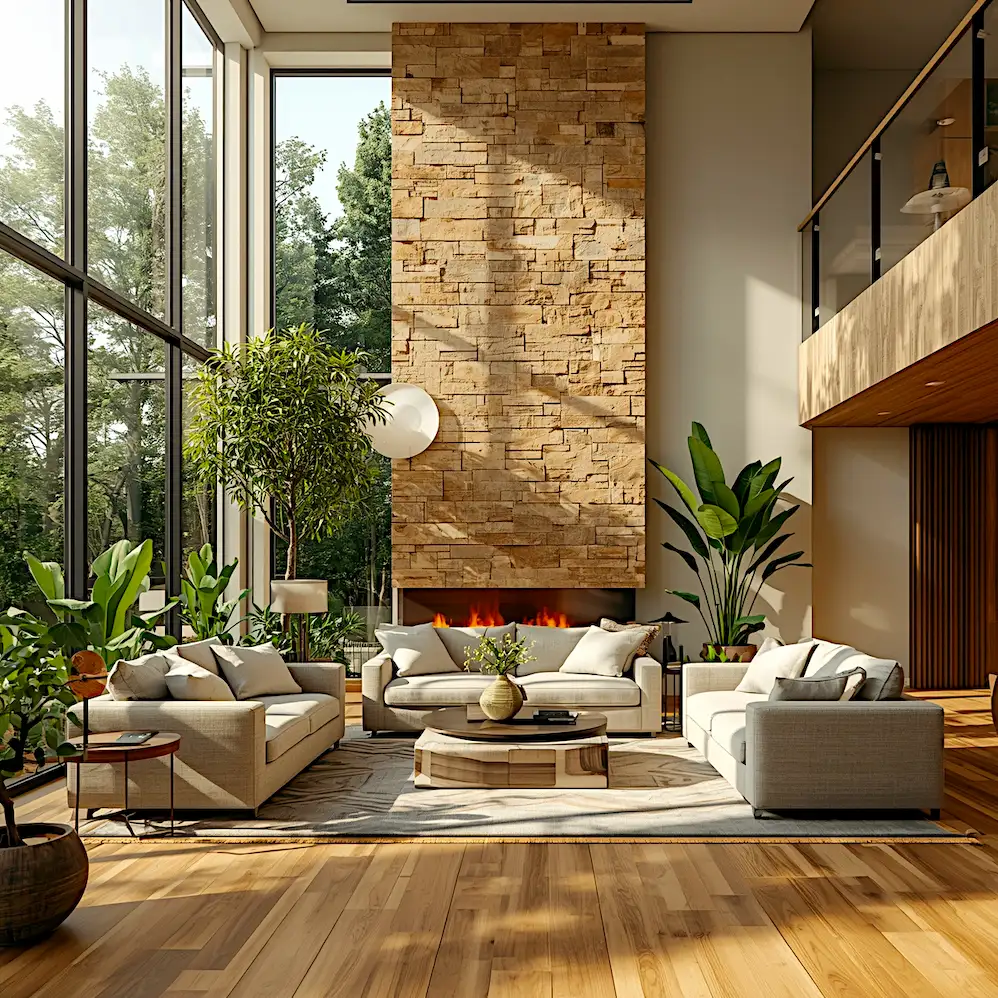
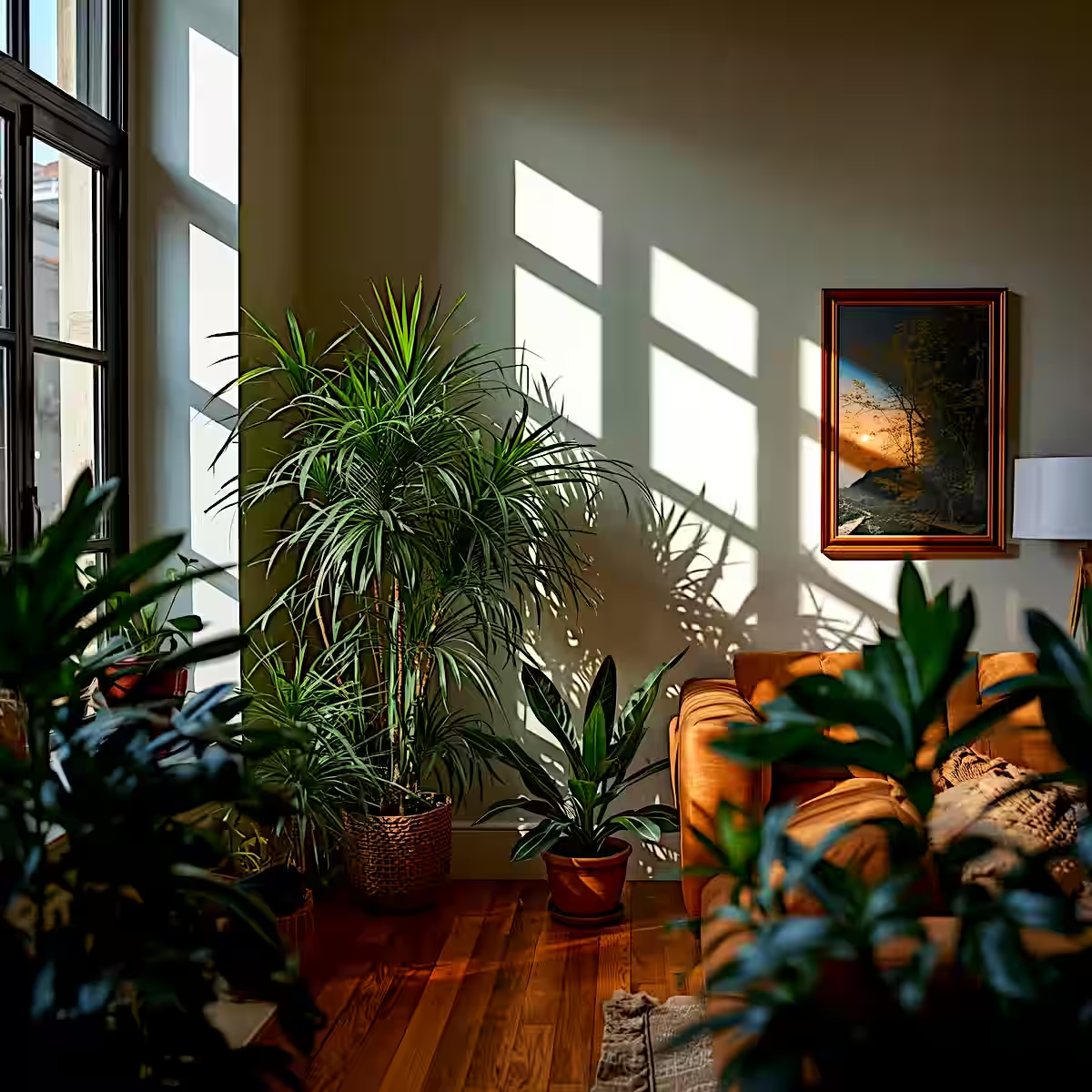
Living rooms serve as the primary gathering space. Therefore, they benefit most from layered greenery at multiple heights, calm lighting zones that support conversation, and large windows that connect visually to outdoor environments.
Key Implementation Elements:
First, position larger statement plants near windows where they receive adequate natural light. Second, create lighting zones that allow different areas to serve different functions simultaneously. Third, minimize visible technology by using integrated speakers and hidden cable management. Finally, choose natural fiber rugs and solid wood furniture that age gracefully.
Common Mistakes to Avoid:
- Placing plants in corners without adequate light
- Using harsh overhead lighting as the only source
- Covering beautiful materials with unnecessary decorative objects
- Installing visible smart devices that break the natural aesthetic
Biophilic Smart Bedroom Design
Bedrooms require fewer automations at night because technology activity disrupts sleep. Instead, focus on circadian lighting that supports natural wake-sleep cycles, breathable natural textiles like cotton and linen, minimal electronic devices, and plants that release oxygen at night.
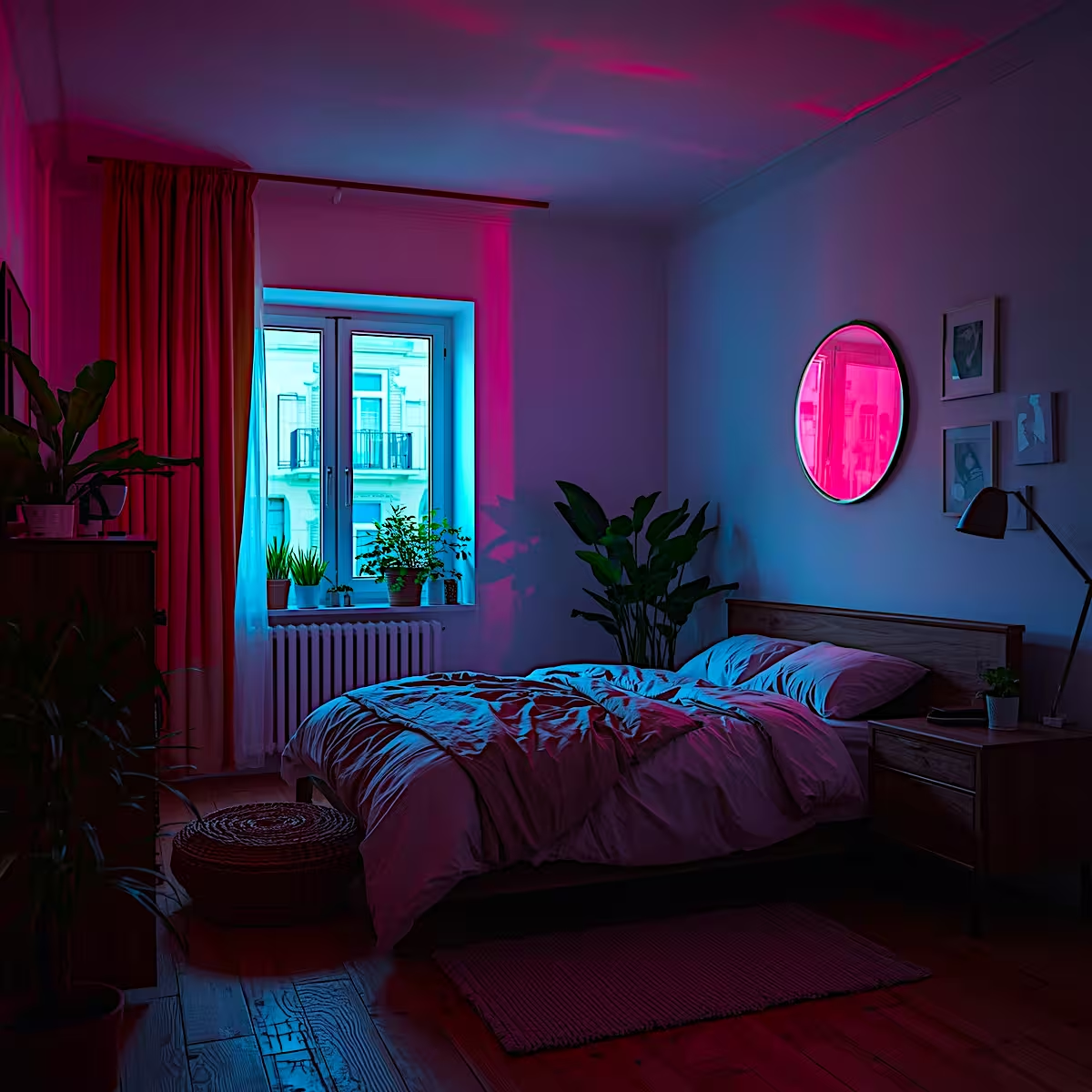
Optimal Bedroom Setup:
The bedroom above demonstrates ideal conditions warm ambient lighting in the evening, natural textile layers, and strategic plant placement that doesn’t overwhelm the restful atmosphere. Additionally, notice the complete absence of visible technology or glowing screens.
Smart Automation for Sleep:
- Gradual dimming beginning 90 minutes before target sleep time
- Temperature reduction to 65-68°F for optimal sleep
- Blackout capability for complete darkness when needed
- Sunrise simulation for gentle natural waking
However, all these automations should run silently in the background without requiring interaction or displaying status lights.
Biophilic Smart Kitchen Design
Kitchens benefit enormously from living herbs placed near windows, natural stone countertops and backsplashes, balanced task lighting that doesn’t create harsh shadows, and excellent ventilation integrated with air quality monitoring.
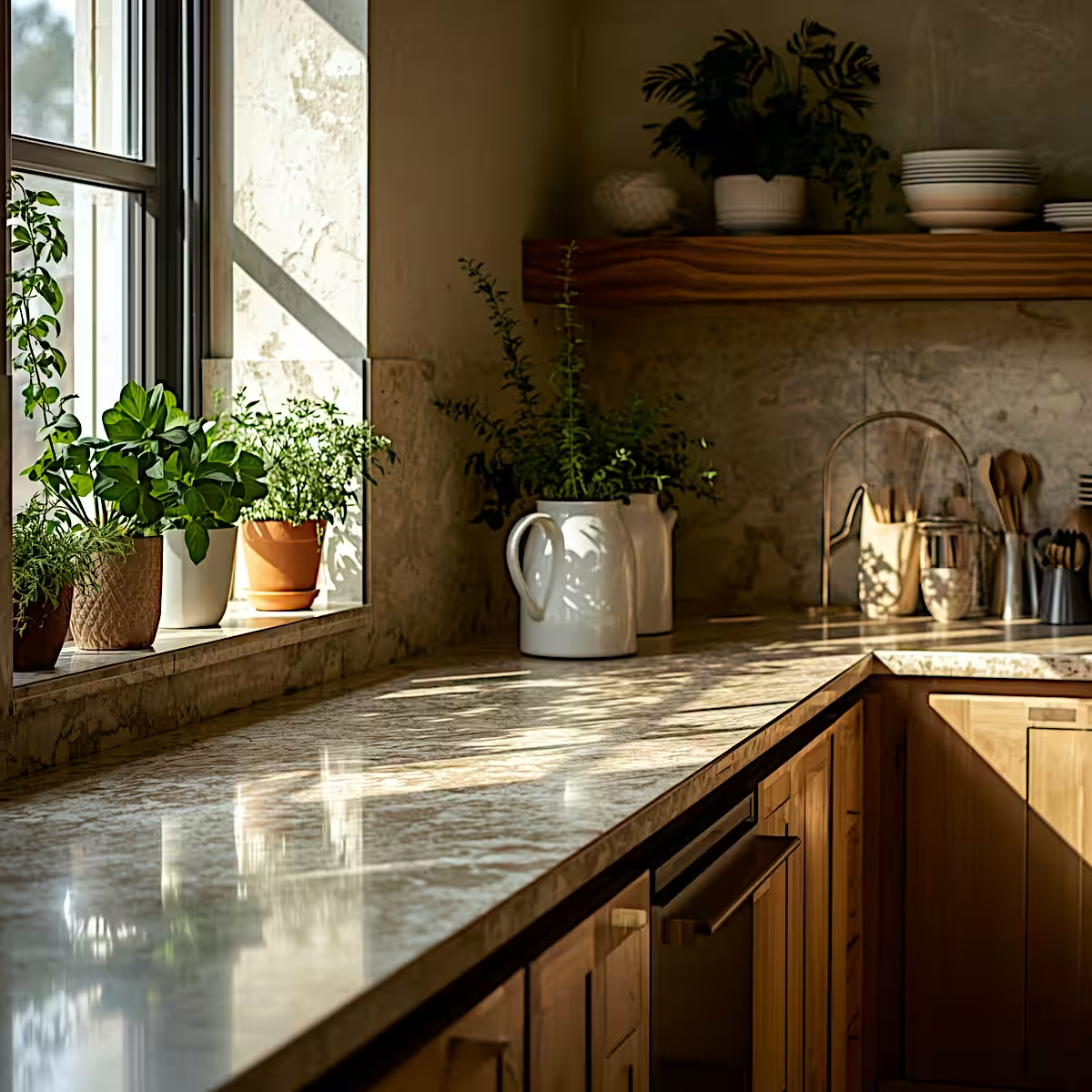
Practical Kitchen Biophilia:
The kitchen shown above integrates functional herb growing with aesthetic design. Basil, rosemary, and thyme receive direct sunlight while remaining easily accessible for cooking. Furthermore, the natural wood and stone surfaces create warmth that typical modern kitchens lack.
Smart Kitchen Systems:
- Air quality monitoring that detects cooking fumes and triggers ventilation
- Task lighting that adjusts based on natural daylight availability
- Humidity control to prevent excess moisture from affecting wood elements
- Quiet range hoods that operate efficiently without dominating the space
Biophilic Smart Home Office Design
Remote work has made home offices critical to daily wellbeing. Positioning desks near windows for natural light and outdoor views, incorporating plants that improve focus like snake plants or pothos, using soft background lighting rather than harsh overhead fixtures, and maintaining excellent air quality all contribute to productive work environments.
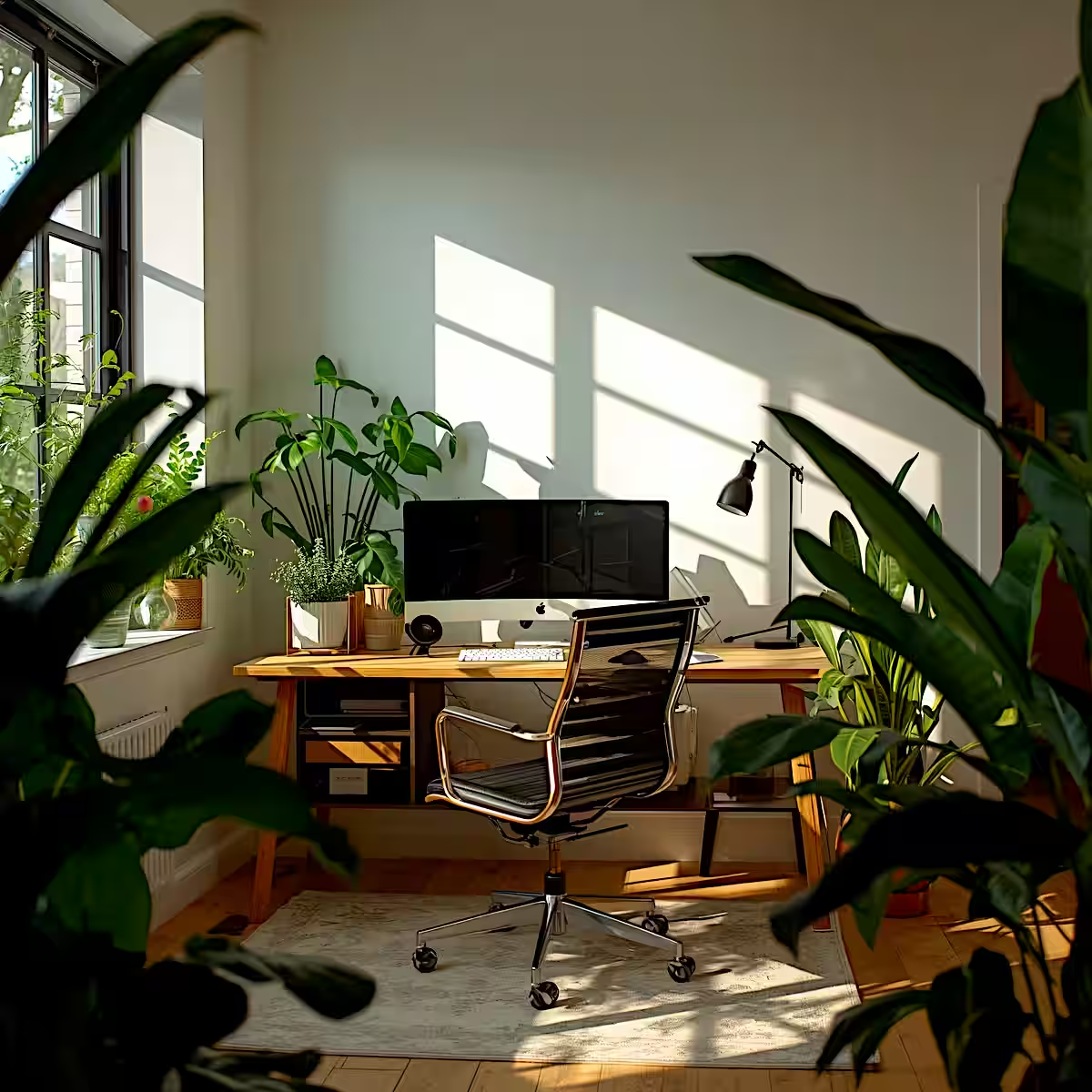
Home Office Essentials:
The workspace above demonstrates several key principles. First, the desk faces the window for maximum natural light and visual connection to outdoors. Second, multiple plant groupings create visual interest without cluttering the workspace. Third, the lighting remains indirect and gentle rather than harsh fluorescent. Finally, natural materials dominate rather than plastic and metal.
Productivity-Enhancing Automations:
- Dynamic lighting that increases alertness during work hours
- Air quality monitoring with alerts for CO₂ buildup during long video calls
- Break reminders tied to circadian rhythms rather than arbitrary timers
- Acoustic monitoring to ensure background noise stays in optimal ranges
Common Mistakes That Ruin Biophilic Smart Homes
Even well-intentioned implementations fail when these critical errors occur. Additionally, many of these mistakes become apparent only after several months of living with the systems.
Over-Automation Syndrome
More automation doesn’t automatically equal better living. In fact, excessive automation often creates the opposite effect constant notifications, unnecessary adjustments, and systems fighting each other.
Warning Signs:
- Lights adjusting multiple times per hour based on minor changes
- Plants receiving watering on fixed schedules regardless of actual soil moisture
- Climate systems constantly adjusting instead of maintaining stable conditions
- Occupants spending more time managing technology than enjoying the space
Solution:
Design systems that operate in the background for weeks without requiring adjustment. Moreover, prioritize stability over constant optimization.
Harsh Artificial Lighting
Many smart lighting systems focus on brightness control while ignoring color temperature and light quality. However, even dimmable harsh white LED light creates visual stress and disrupts circadian rhythms.
The Fix:
- Use high Color Rendering Index (CRI 90+) LED fixtures
- Implement tunable white lighting that adjusts color temperature
- Add indirect lighting sources rather than only overhead fixtures
- Design lighting layers with different intensities and purposes
Treating Plants as Static Decoration
Plants are living organisms with changing needs. Furthermore, they respond to seasonal variations, growth stages, and environmental conditions. Treating them as fixed decorative objects guarantees eventual failure.
Better Approach:
- Group plants by similar care requirements
- Monitor actual conditions rather than running predetermined schedules
- Adjust plant placement seasonally as light angles change
- Accept that some plants may need replacement as conditions evolve
Ignoring Natural Airflow Patterns
Smart HVAC systems often override natural ventilation opportunities. However, mechanical air circulation can’t fully replicate the benefits of fresh outdoor air movement.
Balanced Strategy:
- Use smart window controls that open when outdoor air quality is good
- Allow cross-ventilation whenever temperature and humidity permit
- Supplement rather than replace natural airflow with mechanical systems
- Monitor both indoor and outdoor conditions to make informed decisions
The Future of Biophilic Smart Living
The next generation of biophilic smart homes will operate even more invisibly while delivering greater benefits. Several key trends are already emerging.
Seasonal Adaptation Systems
Future systems will automatically adjust to seasonal changes in daylight duration, temperature patterns, and plant growth cycles. Instead of requiring manual reprogramming, they’ll learn from annual patterns and adapt proactively.
For example, circadian lighting will shift gradually as days lengthen in spring or shorten in autumn. Plant care systems will recognize dormancy periods in winter and growth spurts in spring. Climate control will anticipate seasonal weather patterns based on historical data.
Occupant Routine Learning
Rather than forcing occupants to program preferences manually, future biophilic smart homes will observe patterns over time and adjust automatically. They’ll recognize when residents typically wake, work, exercise, eat, and sleep then optimize conditions accordingly.
Importantly, this learning happens passively through anonymous environmental sensors rather than invasive cameras or tracking devices.
Cognitive Stress Reduction
Emerging research shows that certain combinations of natural elements, lighting patterns, and environmental conditions reduce cognitive load and mental fatigue. Future homes will actively manage these variables to support mental wellbeing.
This might include adjusting visual complexity based on detected stress levels, managing acoustic environments to reduce noise fatigue, or optimizing air quality during cognitively demanding tasks.
Effortless Maintenance
The ultimate goal isn’t more technology it’s less effort. Future biophilic smart homes will require minimal intervention while maintaining optimal conditions. Systems will self-diagnose issues, predict maintenance needs before failures occur, and operate reliably for months without adjustment.
Residents will spend their time enjoying the space rather than managing it.
Who Benefits Most from Biophilic Smart Homes?
While anyone can benefit from biophilic design principles, certain groups see particularly dramatic improvements.
Urban Homeowners in Major Cities:
Residents of London, New York, Los Angeles, Berlin, Paris, and other dense urban areas gain the most because biophilic smart homes compensate for limited outdoor access and poor external environmental quality.
Remote Workers and Hybrid Professionals:
People spending significant time working from home benefit enormously from optimized home office environments that support productivity, focus, and wellbeing throughout workdays.
Families with Young Children:
Parents appreciate healthier indoor air quality, reduced exposure to artificial chemicals, and spaces that support natural sleep patterns for the entire family.
Design-Conscious Smart Home Users:
Technology enthusiasts who value aesthetics alongside functionality finally get smart homes that look beautiful rather than resembling tech showrooms.
Health-Focused Individuals:
People managing stress, sleep issues, or general wellness priorities find that biophilic smart homes support their goals more effectively than purely technological or purely aesthetic approaches.
Getting Started with Your Biophilic Smart Home
Implementation doesn’t require complete renovation or massive budgets. Instead, begin with high-impact changes and expand gradually.
Phase 1: Foundation (Weeks 1-4)
Start with circadian lighting in your bedroom and primary workspace. Add 3-5 well-chosen plants in appropriate locations based on available light. Establish basic air quality monitoring to understand current conditions.
Budget: $500-$1,500 for quality fixtures, plants, and sensors
Phase 2: Expansion (Months 2-3)
Add smart air quality control and natural ventilation automation. Expand plant networks to additional rooms. Upgrade to natural materials where currently using synthetic alternatives.
Budget: $1,000-$3,000 depending on home size
Phase 3: Integration (Months 4-6)
Connect systems so they work together harmoniously. Fine-tune based on actual living patterns rather than theoretical ideals. Replace remaining harsh lighting with layered, natural-spectrum alternatives.
Budget: $500-$2,000 for system integration and refinements
Phase 4: Optimization (Ongoing)
Adjust seasonally, replace plants as needed, and evolve the systems based on what actually works for your specific lifestyle and space.
Budget: $200-$500 annually for maintenance and improvements
Conclusion: Technology That Finally Serves Nature
Biophilic smart homes represent the future of residential design. They prove definitively that technology doesn’t need to feel cold, intrusive, or dominating. When guided by nature’s principles rather than pure automation logic, smart systems create homes that are healthier, calmer, and profoundly more human.
The key insight is simple but transformative: technology should serve life, not replace it. Smart homes work best when they disappear into the background, quietly supporting the natural rhythms, living systems, and organic materials that humans instinctively crave.
As these systems become more sophisticated yet easier to implement, biophilic smart homes will shift from innovative experiments to standard expectations. The homes that feel most advanced won’t be the ones with the most visible technology they’ll be the ones where technology speaks nature’s language fluently enough to become invisible.
Frequently Asked Questions
Q: Are biophilic smart homes expensive to implement?
Not necessarily. You can start with affordable circadian lighting and strategic plant placement for under $1,000, then expand gradually. Many systems add incrementally without requiring complete renovation.
Q: Can renters create biophilic smart environments?
Absolutely. Portable smart lighting, plug-in air quality monitors, and movable plant arrangements work perfectly in rental properties. You can take everything with you when moving.
Q: Do smart home systems harm indoor plants?
Only if over-automated. Properly balanced systems that respect plant biology actually improve plant health by maintaining optimal humidity, preventing over-watering, and ensuring adequate light exposure.
Q: Is biophilic smart design suitable for small apartments?
Yes, smaller spaces often benefit most. Efficient air quality management, circadian lighting, and strategic plant placement create outsized impacts in compact environments where outdoor access is limited.
Q: How much maintenance do biophilic smart homes require?
Less than traditional biophilic design. Smart systems handle humidity, lighting, and air quality automatically, reducing the manual effort required to keep plants healthy and environments comfortable.
Q: What’s the first system to implement?
Start with circadian lighting in your bedroom and main workspace. This delivers immediate sleep and productivity benefits while being relatively affordable and non-invasive to install.
About the Author
M. Yazdaan is a Home Decor Editor with 7+ years of experience specializing in residential interior styling, renovation trends, and material selection across living, kitchen, bedroom, and smart living spaces. M. Yazdaan contributes decor content for multiple home-focused publications and focuses on the intersection of smart technology and biophilic design.
Editorial Standards: This article was reviewed by Emma Cartel, Research & Editorial Standards Coordinator (8+ years), who oversees fact-checking, specification validation, sourcing integrity, and editorial standards for all published content. More about our editorial team
Recent Posts
Biophilic Smart Homes: Where Technology Speaks Nature’s Language