Mila Smart Air Purifier Review: The Complete 2026 Buyer's Guide
By Mateo, Smart Home Technology Editor
Updated: February 5, 2026 | Reading Time: 12 minutes
Indoor air quality isn’t just a trend anymore it’s a daily necessity. In fact, Americans spend roughly 90% of their time indoors, where pollutants like dust, pet dander, volatile organic compounds (VOCs), and wildfire smoke accumulate silently. Moreover, traditional air purifiers offer basic filtration, but they lack the intelligence to adapt to your home’s unique needs. Enter the Mila Smart Air Purifier a device that combines hospital-grade HEPA filtration with real-time air quality monitoring and personalized filter options. Whether you’re battling seasonal allergies, managing pet dander, or protecting your family from wildfire smoke, Mila promises to deliver cleaner air with smarter technology.
Mila Smart Air Purifier in Action
Video credit: Mila official product demonstration via YouTube.
What Makes Mila Different from Other Air Purifiers
Advanced Sensor Technology
Notably, Mila stands out with its comprehensive eight-sensor system that monitors your air continuously. Unlike basic purifiers that simply push air through filters, Mila measures PM1, PM2.5, PM10, VOCs, CO2, carbon monoxide (CO), temperature, and humidity in real time. Consequently, you’ll know exactly what’s in your air at any moment. Furthermore, this level of monitoring helps you make informed decisions about when to open windows, adjust ventilation, or boost filtration power.
Moreover, Mila is the first air purifier to include a built-in carbon monoxide sensor. Indeed, this feature can alert you to potentially deadly dangers from malfunctioning furnaces or space heaters, adding an extra layer of home safety beyond air purification.
Personalized Filter Options
Typically, most air purifiers use a one-size-fits-all approach to filtration. However, Mila offers seven specialized filter configurations designed for specific household challenges:
- The Basic Breather: H12 HEPA filter optimized for everyday particle filtration
- The Big Sneeze: Hospital-grade filtration targeting seasonal allergens and pollen
- The Critter Cuddler: Enhanced odor control and dander removal for pet owners
- The Overreactor: Maximum VOC filtration for chemical sensitivities
- The Home Wrecker: Heavy-duty activated carbon for renovation and paint fumes
- The Rookie Parent: Gentle, quiet filtration designed for nurseries
- Mama to Be: Specialized filter for expectant mothers concerned about air quality
Essentially, this customization means you’re not paying for filtration capabilities you don’t need. Instead, you can match your filter to your home’s specific air quality challenges.
Intelligent Room Presence Detection
Furthermore, Mila uses patented room presence technology to detect when you’re in the room. When you’re present, Mila automatically reduces noise levels by up to 60%, keeping the environment peaceful. When you leave, the purifier ramps up to higher speeds for faster cleaning. This smart approach boosts filtration efficiency by 35% while maintaining a quieter home environment.
Technical Specifications and Performance Data
CADR Ratings and Coverage Area
Impressively, the Mila Air 3 delivers impressive Clean Air Delivery Rate (CADR) numbers. With a maximum CADR of 460 m³/hr (approximately 270 CFM), Mila handles rooms up to 400 square feet at five air changes per hour (ACH)—the CDC-recommended rate for allergy and viral reduction. Additionally, it can cover spaces up to 1,000 square feet at two ACH, making it suitable for open-concept living areas.
Notably, different filters produce varying CADR ratings:
- Basic Breather filter: 447 m³/hr
- Big Sneeze filter: 416 m³/hr (245 CFM)
- Overreactor filter: 238 m³/hr (140 CFM, Energy Star certified)
Clearly, these numbers place Mila among the top performers in its size category, competing directly with models costing significantly more.
Real-World Performance Testing
Independent testing confirms Mila’s capabilities. In fact, in a 194-square-foot room, Mila reduced PM2.5 particulate matter from 137 to 8 µg/m³ in just 60 minutes at maximum speed a 94% improvement. Similarly, in smoke removal tests, Mila cleared incense smoke from a 728-cubic-foot test room in 35 minutes, performing comparably to higher-priced competitors.
Noise Levels and Energy Efficiency
Operating noise ranges from 23 to 47 decibels depending on fan speed. On low settings, Mila produces barely audible white noise similar to a gentle breeze. At medium speeds, conversation easily drowns out the sound. Even at maximum speed, noise levels remain reasonable for most environments. For comparison, normal conversation measures around 60 decibels.
Furthermore, energy consumption stays modest. The Basic Breather configuration uses approximately 17-46 watts, costing roughly $15-25 annually in electricity at average U.S. rates. The intelligent auto mode prevents unnecessary high-speed operation, further reducing energy waste.
Smart Features That Actually Matter
Comprehensive Mobile App
Essentially, the Mila app transforms your purifier into a complete air quality hub. Real-time graphs display indoor readings for fine particles, estimated allergens, total volatile compounds, temperature, and humidity. What’s more, you can compare indoor conditions with outdoor air quality data to determine optimal times for ventilation.
Specifically, automation features include:
- Scheduling: Program cleaning cycles around your daily routine
- Geofencing: Automatically activate when you leave or arrive home
- Turndown Service: Schedule pre-bedtime deep cleaning for fresher sleeping air
- White Noise Mode: Generate soothing background sound for better sleep
Voice Control Integration
Naturally, Mila works seamlessly with popular voice assistants, offering hands-free control. Simply ask your assistant to increase fan speed after cooking, switch to quiet mode during calls, or check current air quality readings. Alternatively, for privacy-conscious users, Mila can operate entirely offline using local schedules, eliminating cloud connectivity concerns.
Monthly Home Health Reports
Uniquely, Mila delivers comprehensive monthly reports revealing air quality trends in your home and neighborhood. Furthermore, these insights help you understand seasonal patterns, identify pollution sources, and track improvement over time. According to manufacturer data, remarkably, 86% of Mila owners report knowing more about their home’s air quality within the first week of use.
Who Should Buy the Mila Air Purifier?
Allergy and Asthma Sufferers
Obviously, if you struggle with respiratory issues, Mila’s high-efficiency HEPA filtration captures 99.97% of airborne particles as small as 0.3 microns. Specifically, this includes pollen, mold spores, and fine dust that trigger allergy symptoms. Ideally, run Mila continuously on low speed in bedrooms to minimize morning congestion, and schedule afternoon cleaning in common areas where allergens accumulate.
Pet Owners
Specifically, the Critter Cuddler filter targets pet hair, dander, and lingering odors. Ideally, position a unit near litter boxes or favorite pet lounging spots for maximum effectiveness. Additionally, the washable pre-filter captures fur before it clogs the main filter, extending filter life and reducing maintenance costs.
Urban Apartment Dwellers
Typically, city residents face unique challenges from traffic exhaust, restaurant fumes, and industrial emissions. Therefore, choose a filter with heavy activated carbon content to absorb gases and odors. Subsequently, pair Mila with proper window sealing to prevent outdoor pollution infiltration, creating a clean air sanctuary indoors.
Parents and Caregivers
Certainly, Mila’s whisper-quiet sleep mode, child lock, and dimmed display make it ideal for nurseries and children’s rooms. Moreover, complete filtration protects sensitive lungs, while gentle humidity monitoring prevents stuffy, uncomfortable air that disrupts sleep.
Home Renovators
Importantly, during painting, flooring installation, or furniture assembly, run Mila at higher speeds with the Home Wrecker filter. Essentially, heavy activated carbon absorbs VOCs from fresh paint, adhesives, and new materials. Meanwhile, keep doors closed and let the purifier scrub the air while you’re away.
Wildfire Smoke Protection
Particularly, for those in wildfire-prone regions, Mila’s high CADR and smoke removal capabilities provide essential protection. Specifically, the air quality app alerts you when outdoor smoke levels rise, prompting you to keep windows closed and boost indoor filtration. Notably, many users report noticeable relief from smoke-related symptoms when running Mila continuously during fire season.
Comparing Mila to Leading Competitors
Mila vs. Dyson Purifier Cool
Dyson combines purification with a bladeless fan that projects air throughout the room. It’s visually striking and offers seasonal cooling benefits. However, Dyson lacks customizable filtration options and costs significantly more (typically $600+). Therefore, if you want a multi-functional tower that also cools you, Dyson is compelling. Conversely, if precise filtration, detailed app data, and quieter night modes matter more, Mila wins.
Mila vs. Coway Airmega
Generally, Coway manufactures reliable, quiet machines with excellent particulate capture. Typically, many models feature dual-sided intakes and large HEPA blocks. Clearly, they excel at straightforward dust and pollen removal. Nevertheless, Coway’s apps offer more basic functionality, and designs tend toward utilitarian aesthetics. Essentially, choose Coway for simple, set-and-forget operation at lower prices. Alternatively, choose Mila for sophisticated sensors, personalized guidance, and multiple filter options.
Mila vs. Levoit Core Series
Currently, Levoit dominates the budget category with compact cylindrical units widely available at retail. Obviously, they’re simple to position and affordable upfront. That said, Levoit apps are rudimentary, filter options are generic, and noise levels climb faster at higher speeds compared to Mila. Essentially, a Levoit works well as an entry-level purifier for small rooms. However, Mila represents the upgrade when you need whole-home awareness and refined acoustics.
Mila vs. Blueair Models
Typically, Blueair focuses on high airflow and clean Scandinavian design. Generally, their units perform excellently in large spaces, though they often use proprietary filter formats and minimalistic apps. Nevertheless, Mila provides similar coverage with more proactive advice and automation routines that encourage consistent use by the whole family.
Key Comparison Metrics
| Feature | Mila Air 3 | Dyson TP07 | Coway Airmega 400 | Levoit Core 400S | Blueair 211i Max |
|---|---|---|---|---|---|
| CADR (CFM) | 270 | 250 | 340 | 247 | 365 |
| Room Coverage | 400-1000 sq ft | 400-600 sq ft | 1,560 sq ft | 403 sq ft | 674 sq ft |
| Filter Options | 7 specialized | 1 standard | 1 standard | 1 standard | 1 standard |
| Sensors | 8 (including CO) | 3 | 2 | 1 | 1 |
| App Quality | Excellent | Good | Basic | Good | Good |
| Price | $349-399 | $600+ | $600+ | $279 | $299 |
| Noise (dB) | 23-47 | 40-64 | 22-50 | 25-50 | 23-50 |
Setup, Maintenance, and Long-Term Costs
Initial Setup Process
Basically, setting up Mila takes approximately 15 minutes. Simply unbox the unit, remove the filter from its protective packaging, place the purifier in your chosen location, and connect to your 2.4GHz Wi-Fi network via the app. Initially, run a 20-minute high-speed burn-in cycle to clear factory odors. After that, switch to Auto mode and let Mila handle the rest.
Ongoing Maintenance Requirements
Regular maintenance is minimal:
- Pre-filter: Vacuum every 2-3 weeks if you have pets
- Main filter: Replace every 6-9 months depending on usage and pollution levels
- Exterior: Wipe with a damp cloth monthly; never spray cleaners into the grille
- Sensors: Self-cleaning; no manual intervention required
Filter Subscription Service
Conveniently, Mila offers a subscription service that automatically delivers replacement filters before performance degrades. Specifically, subscriptions provide:
- Free filter with initial purchase (choose any specialty filter)
- Replacement filter every six months with free shipping
- Extended warranty coverage (5 years instead of 3)
- No commitment; skip deliveries or cancel anytime
- Best value pricing ($399 vs. $478 without subscription)
Total Cost of Ownership
Calculate five-year costs:
- Initial unit: $349-399
- Filters: $50-80 per filter × 10 replacements = $500-800
- Electricity: ~$20 annually × 5 years = $100
- Total 5-year cost: $949-1,299
For comparison, a Dyson costs approximately $1,500-1,800 over five years, while a Levoit runs about $700-900. Consequently, Mila sits in the middle, offering premium features at moderate long-term costs.
Pros and Cons: An Honest Assessment
Advantages
Exceptional Smart Features: Undoubtedly, real-time monitoring of eight air quality parameters provides unmatched insight into your home environment. Furthermore, the comprehensive app makes automation effortless.
Customizable Filtration: Specifically, seven specialized filters let you address your specific needs allergies, pets, smoke, VOCs, or general cleaning without paying for unnecessary capabilities.
Intelligent Automation: Notably, room presence detection, turndown service, and seasonal adjustment recommendations create a truly smart purification system that adapts to your life.
Comprehensive Safety Monitoring: Additionally, built-in carbon monoxide detection adds important safety beyond air cleaning.
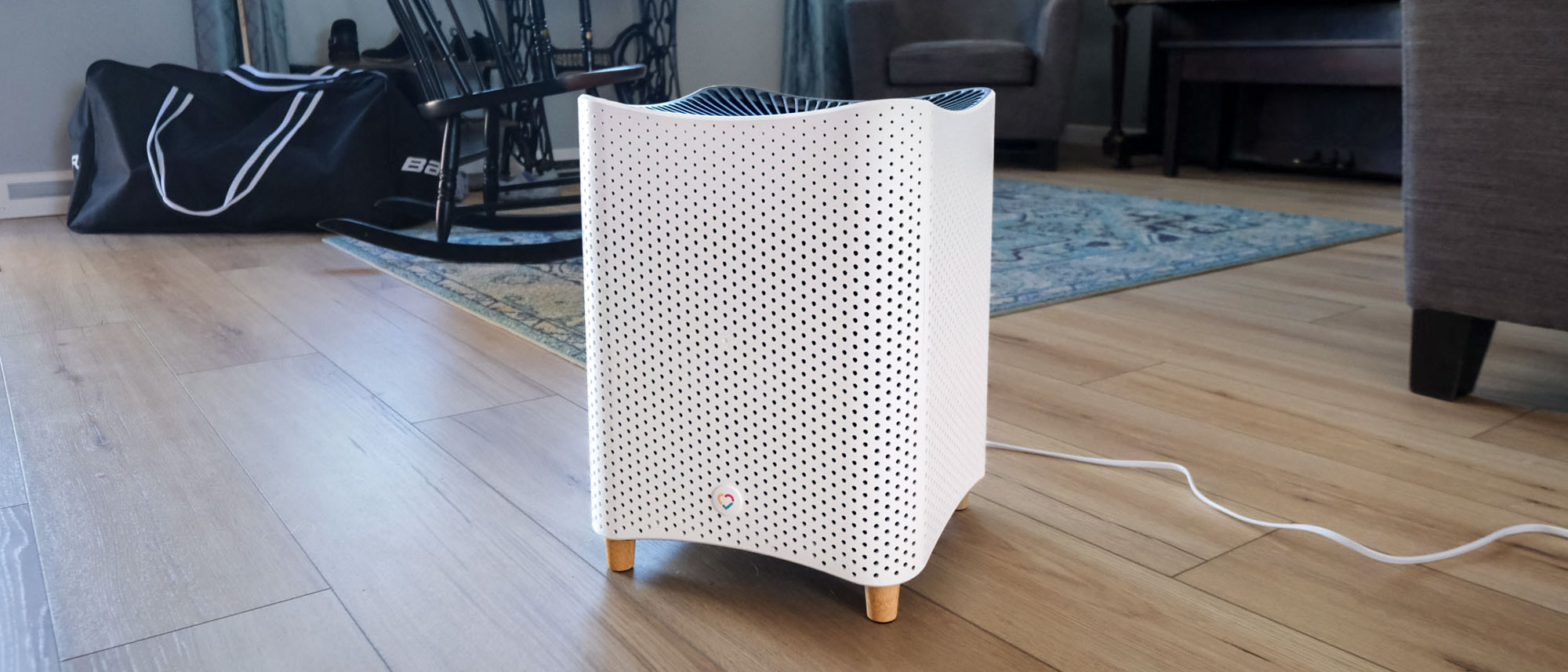
Attractive Design: Certainly, modern furniture aesthetic with wooden legs blends into any décor rather than looking like medical equipment.
Strong Performance: Clearly, CADR ratings compete with much more expensive models, delivering effective filtration in real-world conditions.
Disadvantages
Higher Entry Price: Obviously, at $349-399, Mila costs more than basic cylindrical purifiers, though less than premium brands like Dyson or IQAir.
Non-Recyclable Filters: Unfortunately, like most HEPA filters, Mila’s replacements aren’t recyclable through mainstream programs, requiring disposal in regular trash.
Premium Replacement Costs: Notably, specialty filters cost more than generic alternatives, though subscription pricing helps offset this.
App Dependency: Essentially, while Mila can operate offline, you’ll miss most smart features without the app. This may feel like overkill if you prefer simple plug-and-play operation.
Limited Color Options: Currently, standard white body with wooden legs; fewer aesthetic choices than some competitors.
Where to Buy the Mila Smart Air Purifier
Purchase Mila through these trusted retailers:
Mila Official Store: Buy directly from the manufacturer at milacares.com. Find both Mila Air 3 and Air Mini models with filter subscription options and full warranty coverage.
Amazon: Fast Prime shipping available with multiple filter options:
- Mila Air 3 with Big Sneeze Filter – Best for allergies
- Mila Air Mini with Critter Cuddler Filter – Best for pets
- Mila Air Mini with Overreactor Filter – Best for VOCs
- Mila Previous Version with Basic Breather – Budget option
Best Buy: Option to buy online or pick up in-store with various configurations:
- Mila Air 3 with Critter Cuddler Filter – For pet owners
- Mila Air 3 with Overreactor Filter – For smoke and VOCs
- Mila Air with Big Sneeze Filter – For allergies
Expert Verdict: Is Mila Worth It?
The Mila Smart Air Purifier excels at what it promises intelligent, personalized air cleaning backed by comprehensive monitoring. Its strength lies in the combination of powerful filtration, extensive sensing, and genuinely useful automation.
Who Should Choose Mila
Mila is ideal for:
- Families who value data-driven insights about their indoor air quality
- Health-conscious households wanting filtration tailored to specific needs (allergies, pets, VOCs)
- Tech enthusiasts who appreciate smart home automation and real-time monitoring
- People with respiratory conditions requiring consistent, reliable air purification
- Pet owners seeking specialized dander and odor control
- Urban residents dealing with outdoor pollution infiltration
- Anyone living in wildfire-prone regions needing smoke protection
- Parents wanting quiet, child-safe operation for nurseries and children’s rooms
Mila may not be for:
- Budget-conscious buyers seeking basic air cleaning without smart features
- Those who prefer simple plug-and-play operation without apps
- Renters moving frequently who need ultra-portable solutions
- People satisfied with generic, one-filter-fits-all approaches
Value Comparison
When compared to alternatives:
- Better than budget models: More sensors, smarter automation, customizable filters
- Competitive with premium brands: Similar performance to Dyson at lower cost
- Unique features: Only purifier with carbon monoxide detection and room presence technology
- Mid-range pricing: Higher than basic Levoit, lower than luxury IQAir
The Bottom Line
Think of Mila this way: it’s not just an air purifier it’s a wellness device that educates you about your home while it cleans. The real value emerges over time as you understand seasonal patterns, identify pollution sources, and optimize your indoor environment.
Best use cases where Mila shines:
- Combining with smart shades and thermostat scheduling for comprehensive air management
- Multi-room homes where different spaces have different needs (bedroom vs. kitchen)
- Families with specific health concerns requiring targeted filtration
- Data-driven individuals who want measurable proof of air quality improvement
For health-conscious households, families with allergies or asthma, pet owners, and anyone seeking air quality peace of mind, Mila delivers measurable value that extends beyond the initial investment. However, if you simply want basic air cleaning without smart features, excellent alternatives like the Levoit Core 400S ($100 less) or Coway Airmega (superior quiet operation) provide comparable CADR performance at lower prices.
About the Author
Mateo covers smart security, lighting systems, entertainment devices, and emerging home automation technology across various tech and lifestyle platforms. He provides data-driven insights to support informed purchasing decisions.
More about our editorial team: About Us
Frequently Asked Questions
Q: How often should I replace the Mila filter?
Most users need to replace filters every 6-9 months under normal conditions. However, if you live in a wildfire-prone area, have multiple pets, or run the purifier continuously at high speeds, you might need replacements every 4-6 months. The app tracks filter life and sends reminders when replacement is due.
Q: Does Mila really help with allergies and asthma?
Yes, clinical studies show HEPA filtration reduces airborne allergens by over 99%. Many users report noticeable symptom improvement within 2-3 weeks of continuous use—less morning congestion, fewer sneezing episodes, and easier breathing overnight. Results vary based on room size, filter choice, and proper unit placement.
Q: Can Mila handle wildfire smoke effectively?
Absolutely. With a smoke CADR of 270 CFM and true HEPA filtration, Mila captures fine smoke particles (PM2.5) that penetrate indoor spaces. Run continuously during smoke events, choose the Overreactor or Big Sneeze filter for maximum protection, and seal windows and doors to prevent outdoor infiltration.
Q: Does the carbon monoxide sensor replace a dedicated CO alarm?
No. While Mila detects carbon monoxide and alerts you to elevated levels, it’s not certified as a replacement for dedicated CO alarms. Think of it as an additional safety layer that provides early warning, but maintain your required CO detectors as primary protection.
Q: Is the Mila app really necessary?
The purifier works without the app using basic auto mode. However, you’ll miss advanced features like scheduling, detailed air quality tracking, outdoor pollution comparisons, and specialty modes. The app significantly enhances the value proposition without it, Mila becomes just another capable air purifier rather than a smart home hub.
Q: How loud is Mila compared to other air purifiers?
At low speed (23 dB), Mila is quieter than a whisper. At medium (35-40 dB), it’s comparable to a refrigerator hum. At maximum (47 dB), it’s noticeable but not disruptive similar to normal conversation volume. Many competitors reach 55-65 dB at top speeds, making Mila relatively quiet overall.