Scandinavian Living Room Ideas 2026: Warm Minimalism, Biophilic Design & Modular Nordic Trends
Scandinavian living rooms are evolving beyond stark white walls and cold minimalism. In 2026, the focus shifts toward warm minimalism a softer approach that blends natural textures, honey oak finishes, and biophilic elements. This comprehensive guide showcases 14 expertly curated Nordic living spaces that balance functionality with emotional comfort.
Whether you’re renovating a compact city apartment or styling a spacious suburban home, these ideas demonstrate how Scandinavian design adapts to modern living. From modular furniture solutions to sustainable materials, discover what makes Nordic interiors timeless yet contemporary.
What You’ll Learn:
- Latest 2026 Scandinavian design trends
- How to incorporate warm minimalism
- Sustainable material choices
- Space-saving modular solutions
- Color palettes that work
Why Scandinavian Design Dominates 2026 Interior Trends
Scandinavian design continues leading global interior trends because it prioritizes well-being over excess. According to Dezeen’s 2026 Design Forecast, Nordic interiors emphasize neuroaesthetic principles spaces scientifically proven to reduce stress and improve mental clarity.
Key Principles of 2026 Scandinavian Design:
| Design Element | 2025 Approach | 2026 Evolution |
|---|---|---|
| Color Palette | Cool whites, greys | Warm greige, butter yellow, sage |
| Wood Tones | Pale pine, ash | Honey oak, reclaimed wood |
| Furniture | Fixed pieces | Modular, flexible systems |
| Sustainability | Eco-friendly options | Circular design mandatory |
| Nature Integration | Minimal plants | Full biophilic immersion |
The shift reflects growing consumer demand for homes that support mental health while remaining environmentally responsible. Architectural Digest reports that 73% of homeowners now prioritize wellness-centered design when renovating.
Warm Minimalism Living Room With Honey Oak & Floor Cushion Seating 2026
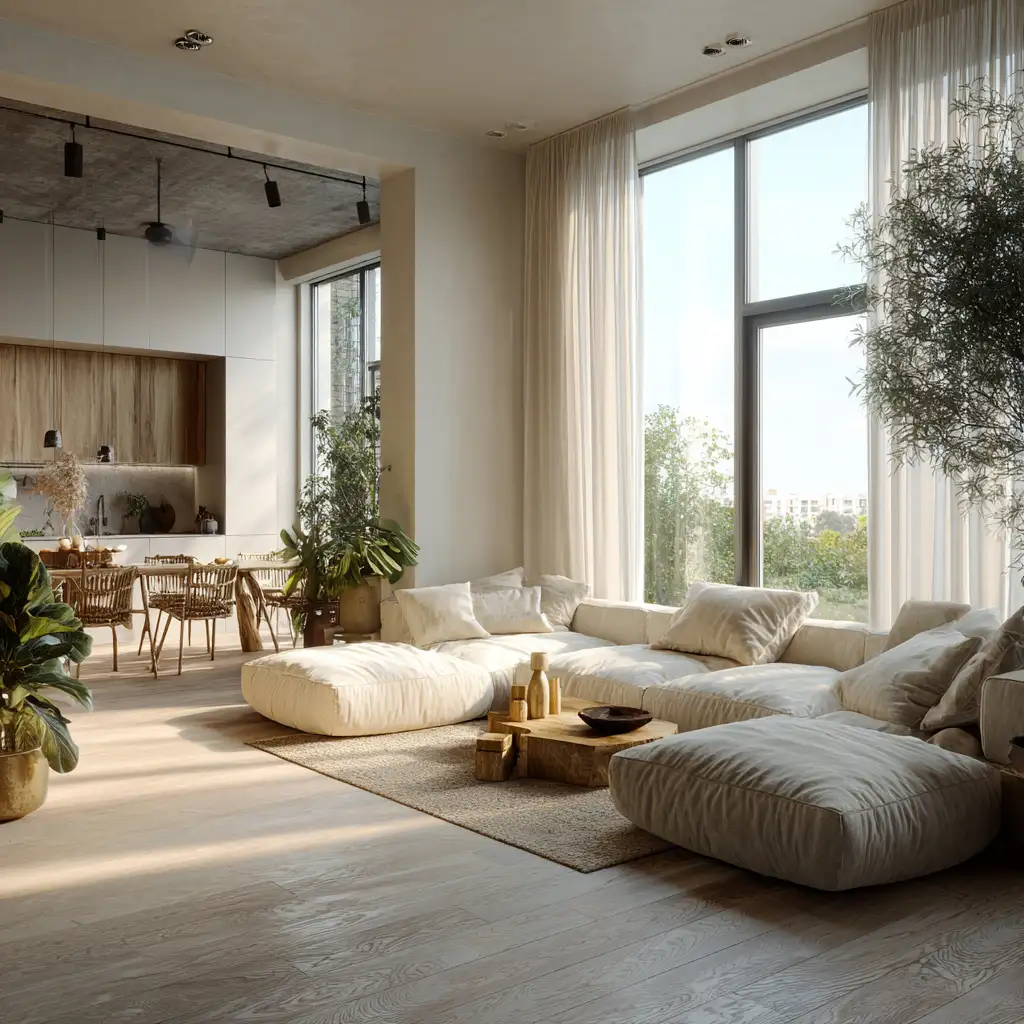
Low-profile seating represents a major 2026 shift. Floor cushions and poufs create casual, conversation-friendly arrangements that feel more intimate than traditional sofas. The honey oak furniture provides structure without visual heaviness.
Benefits of Low Seating:
- More flexible layouts
- Kid-friendly durability
- Easier to move/clean
- Promotes relaxed posture
This design works exceptionally well for young families and frequent entertainers. Additionally, the lower sight lines make ceilings appear higher, enhancing spatial perception. Elle Decor’s Living Room Trends identifies floor cushions as one of 2026’s breakout furniture categories.
Budget Option: Mix high-quality floor poufs (€150-250) with affordable cushions.
Warm Earth-Tone Nordic Space With Handcrafted Ceramics & Linen Layers
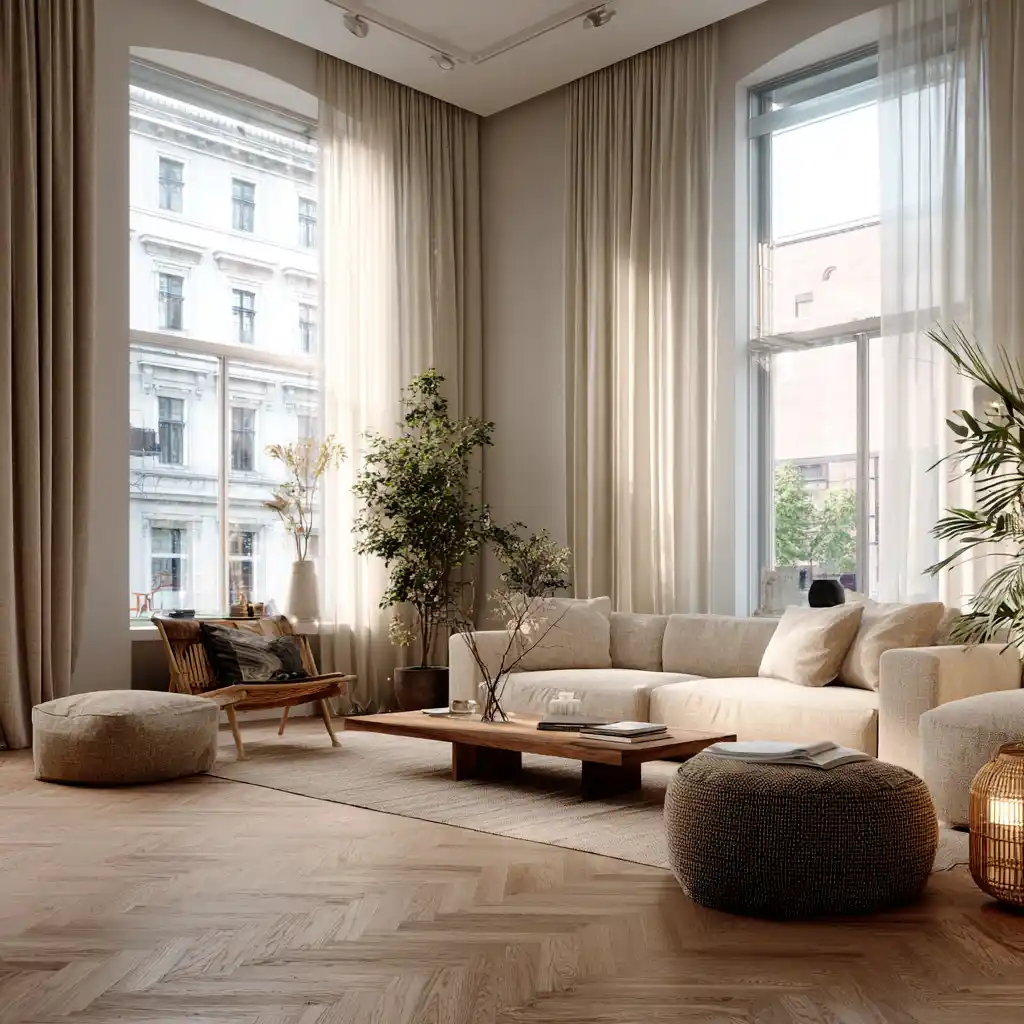
Handcrafted elements bring authenticity to this earth-toned sanctuary. Artisanal ceramics from local potters provide unique focal points, while linen layers in terracotta and sage create depth. The rough-textured rug grounds the space literally and visually.
Artisan Sources:
- Local pottery studios
- Independent textile makers
- Vintage Nordic furniture dealers
- Sustainable craft cooperatives
This approach supports circular economy principles increasingly important to conscious consumers. Moreover, handcrafted pieces tell stories, adding personality beyond mass-produced items. The Guardian’s Sustainable Living section highlights growing demand for artisan homeware.
Investment Piece: Quality handwoven rug (€400-800) lasts 15+ years vs. synthetic alternatives.
Greige & Butter Yellow Scandinavian Living Room With Vintage Accents 2026
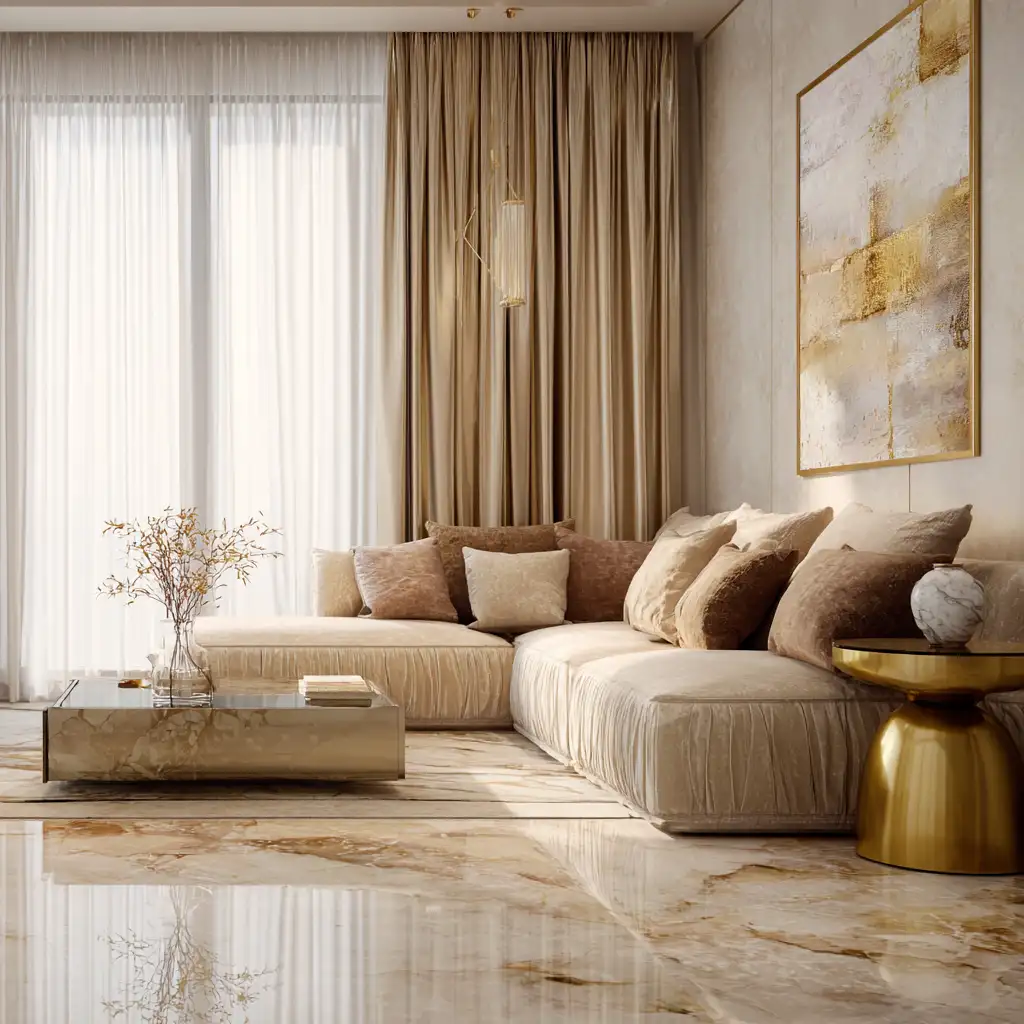
Greige (grey-beige hybrid) replaces stark white as the go-to neutral. This space pairs greige walls with butter yellow accents—a warming color trend dominating 2026 palettes. Vintage 1960s furniture pieces add character while maintaining Nordic restraint.
2026 Color Combinations:
- Greige + butter yellow + oak
- Sage green + terracotta + cream
- Soft grey + rust + blonde wood
- Warm white + caramel + linen
The vintage integration supports circular design principles by giving quality furniture second lives. Moreover, mid-century Nordic pieces are currently appreciating in value. 1stDibs Nordic Collection offers authenticated vintage sourcing.
Trend Alert: Butter yellow emerges as Pantone’s predicted influential color for 2026.
Sustainable Scandinavian Living Room With Reclaimed Wood & Eco-Materials 2026
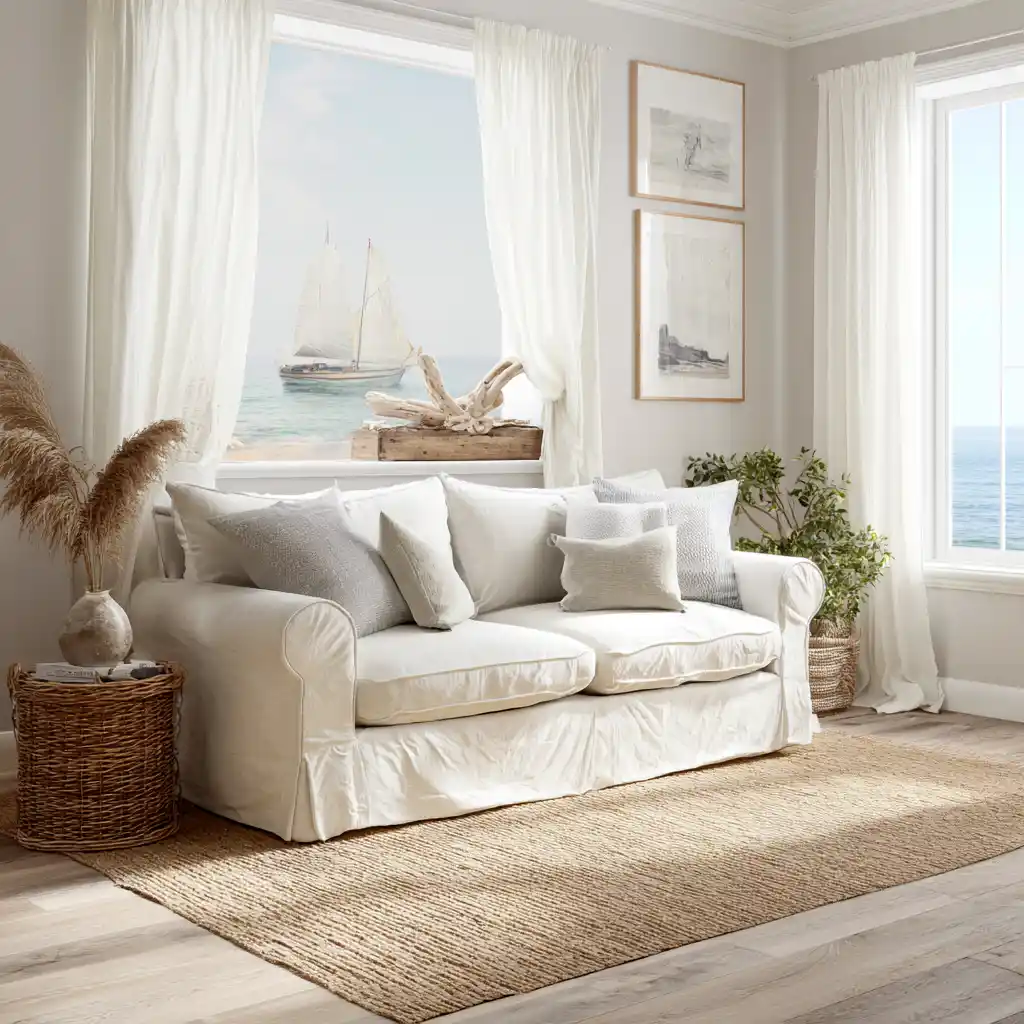
Sustainability moves from trend to standard in 2026. This living room features reclaimed oak flooring from deconstructed barns, FSC-certified furniture, and organic textiles. The blonde wood tones create brightness without relying on artificial lighting.
Sustainable Material Checklist:
✓ FSC-certified wood
✓ Natural latex cushions
✓ Organic cotton/linen fabrics
✓ Non-toxic finishes
✓ Recyclable components
The design demonstrates that eco-conscious choices enhance rather than limit aesthetics. Furthermore, sustainable materials often outlast conventional alternatives, providing better long-term value. TreeHugger’s Green Design Guide offers verification resources for sustainable claims.
Bold Color Accent Scandinavian Space With Cocoa Brown & Olive Green Tones
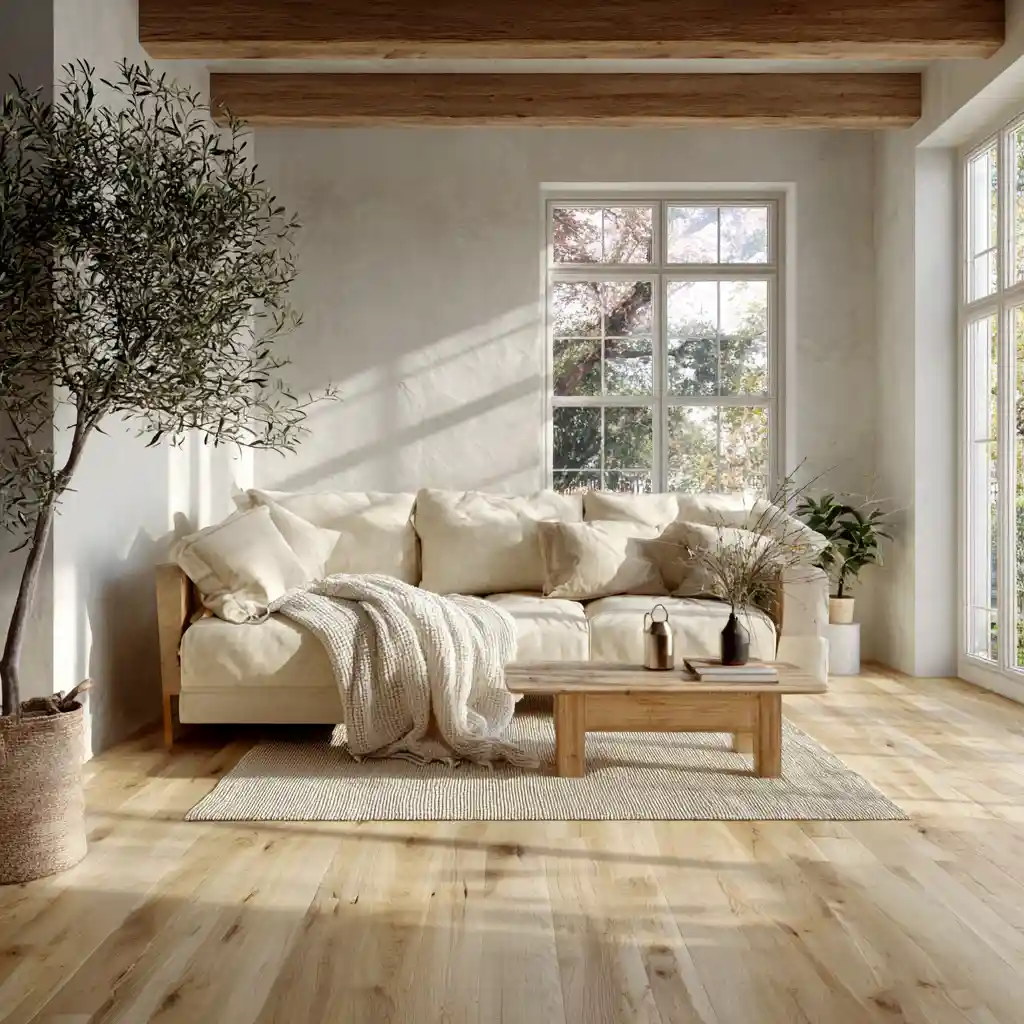
Scandinavian design finally embraces bolder color choices. This space uses cocoa brown and olive green as primary tones rather than accents. The deeper palette creates intimate coziness while maintaining Nordic sophistication through quality materials and clean lines.
Bold Color Guidelines:
- Use rich tones on 1-2 walls
- Balance with neutral furniture
- Add metallic accents (brass/copper)
- Incorporate varied textures
The approach reflects growing confidence in personal expression over rigid minimalism. Additionally, deeper colors hide wear better than whites practical for family living. Homes & Gardens Color Trends confirms the movement toward richer Nordic palettes.
Color Psychology: Olive green promotes calm, while cocoa brown provides grounding warmth.
Modular Scandinavian Lounge With Curved Furniture & Smart Storage 2026
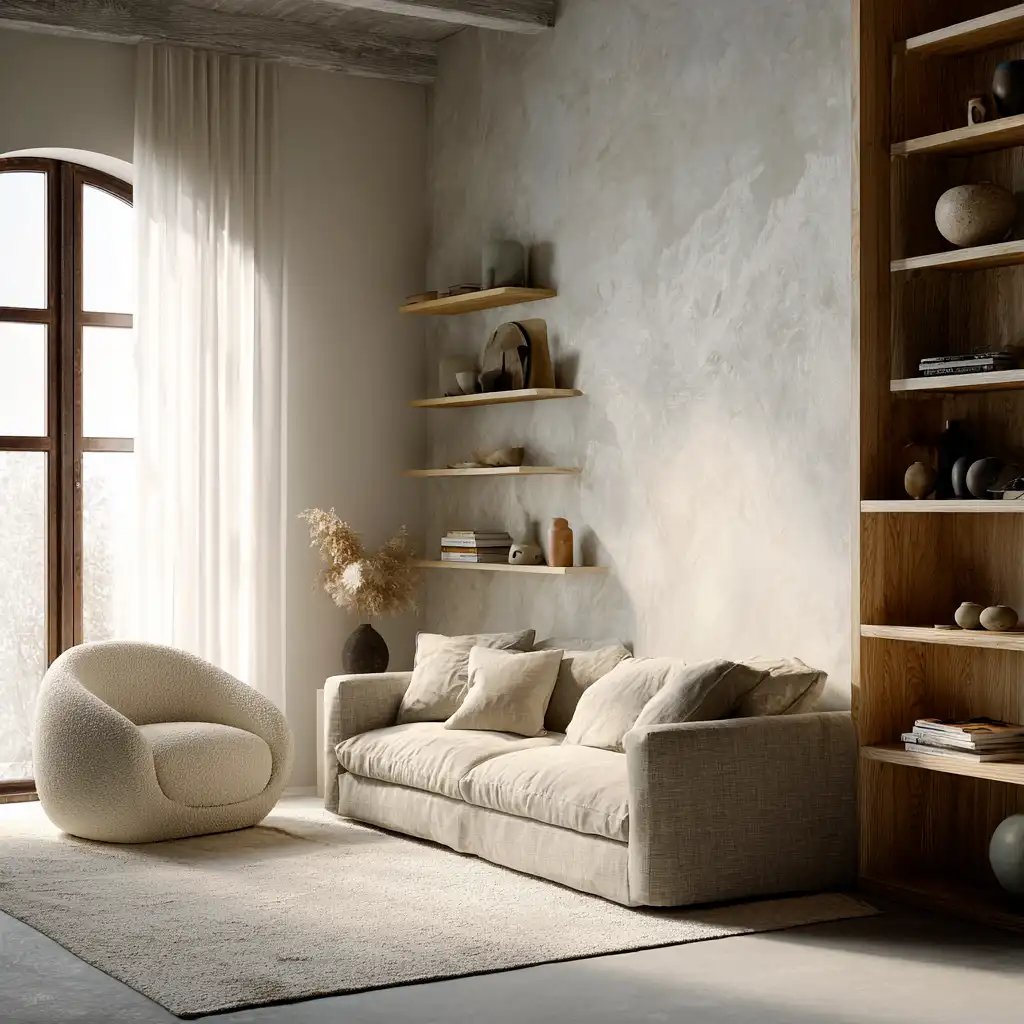
Modular furniture systems dominate 2026 trends, offering flexibility for changing needs. This lounge features curved sectional pieces that can be rearranged for different occasions. Hidden storage beneath seating maintains clutter-free surfaces.
Benefits of Modular Design:
- Adapts to space changes
- Easy to move/reconfigure
- Cost-effective long-term
- Accommodates various uses
The oak paneling adds warmth while maintaining clean lines. Furthermore, the modular approach suits rental properties where furniture must adapt to different floor plans. Apartment Therapy recommends investing in quality modular pieces as foundational furniture.
Warm Minimalism With Honey Oak Flooring & Soft Ambient Light 2026
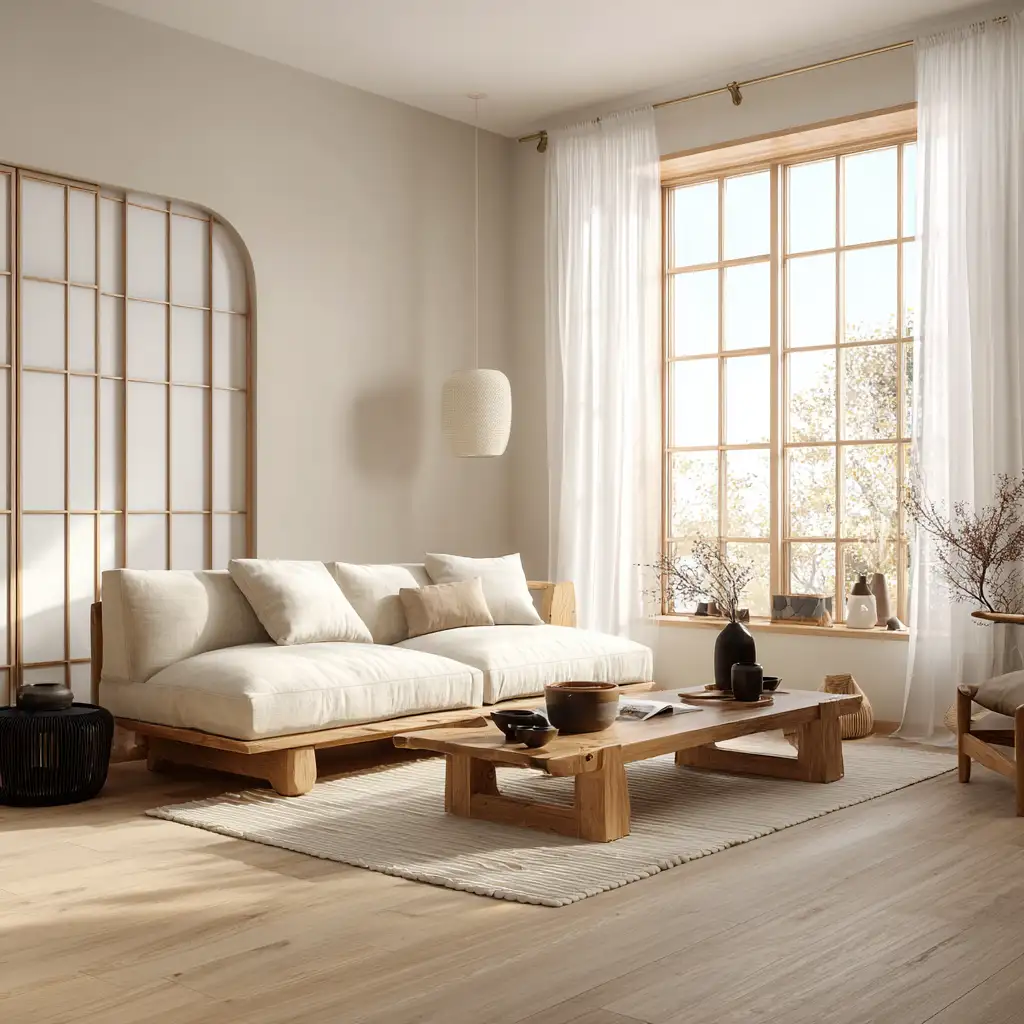
This design showcases warm minimalism at its finest. Honey oak flooring radiates natural warmth, while sheer curtains diffuse daylight to create a soft glow. The low-profile seating encourages relaxed conversation, moving away from formal furniture arrangements.
Key Features:
- Honey oak engineered flooring
- Floor cushions with linen covers
- Ambient LED strips (2700K warm white)
- Minimalist sculptural ceramics
The space proves that minimalism doesn’t mean cold. Additionally, the open layout maximizes natural light penetration. Source: Dwell’s Warm Minimalism Guide
Pro Tip: Use warm-toned LED bulbs (2700-3000K) to enhance oak’s natural amber hues.
Space-Saving Modular Living Room Design For Urban Apartments 2026
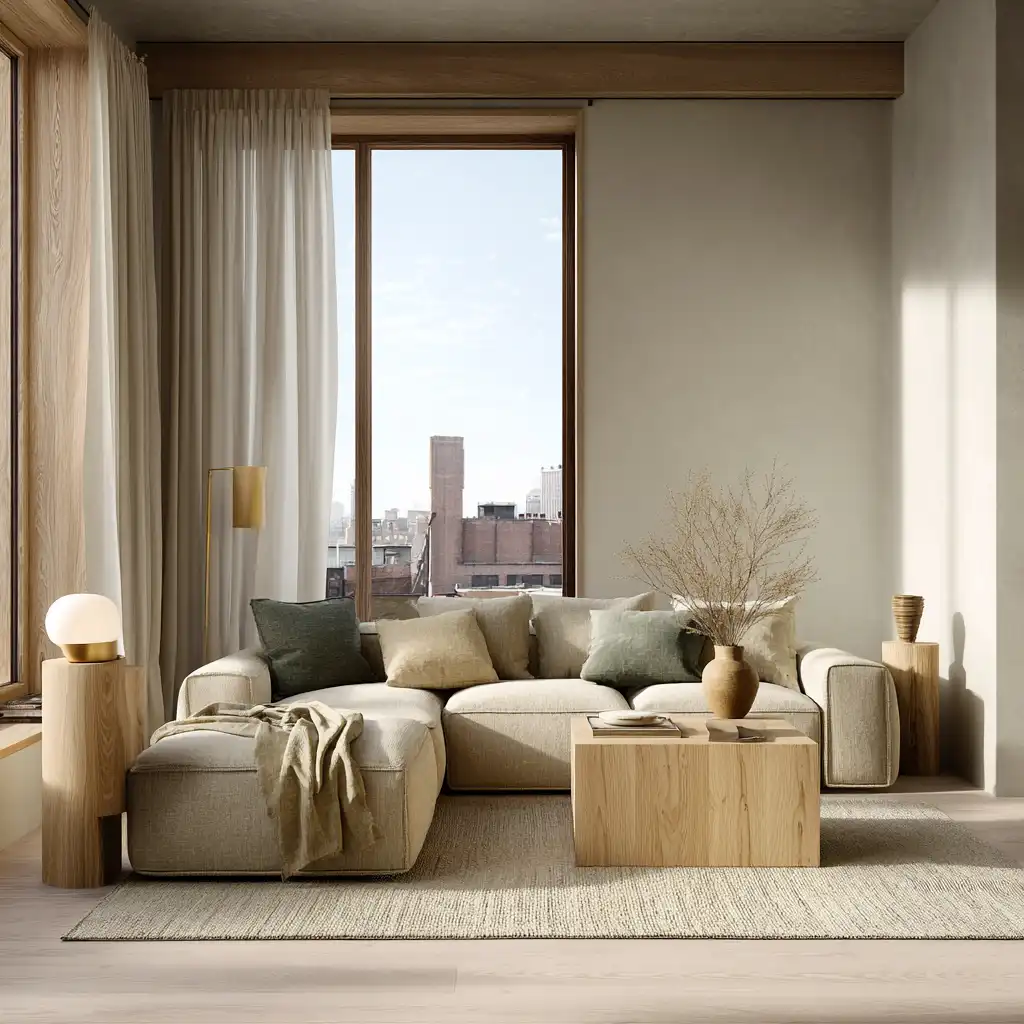
Small-space living demands intelligent design solutions. This compact apartment maximizes every square meter through multifunctional furniture—a coffee table that converts to dining height, floating shelves instead of bulky cabinets, and a modular sofa that doubles as guest sleeping.
Space-Saving Strategies:
- Wall-mounted shelving
- Nesting tables
- Ottoman with storage
- Folding elements
The neutral palette creates visual spaciousness, while strategic mirror placement reflects light. Consequently, the 250-square-foot space feels significantly larger. This approach resonates with UK and European markets where compact living is increasingly common.
Budget Tip: Prioritize 2-3 quality modular pieces over multiple cheap items.
Neuroaesthetic Scandinavian Living Room With Soft White Palette & Sensory Design 2026
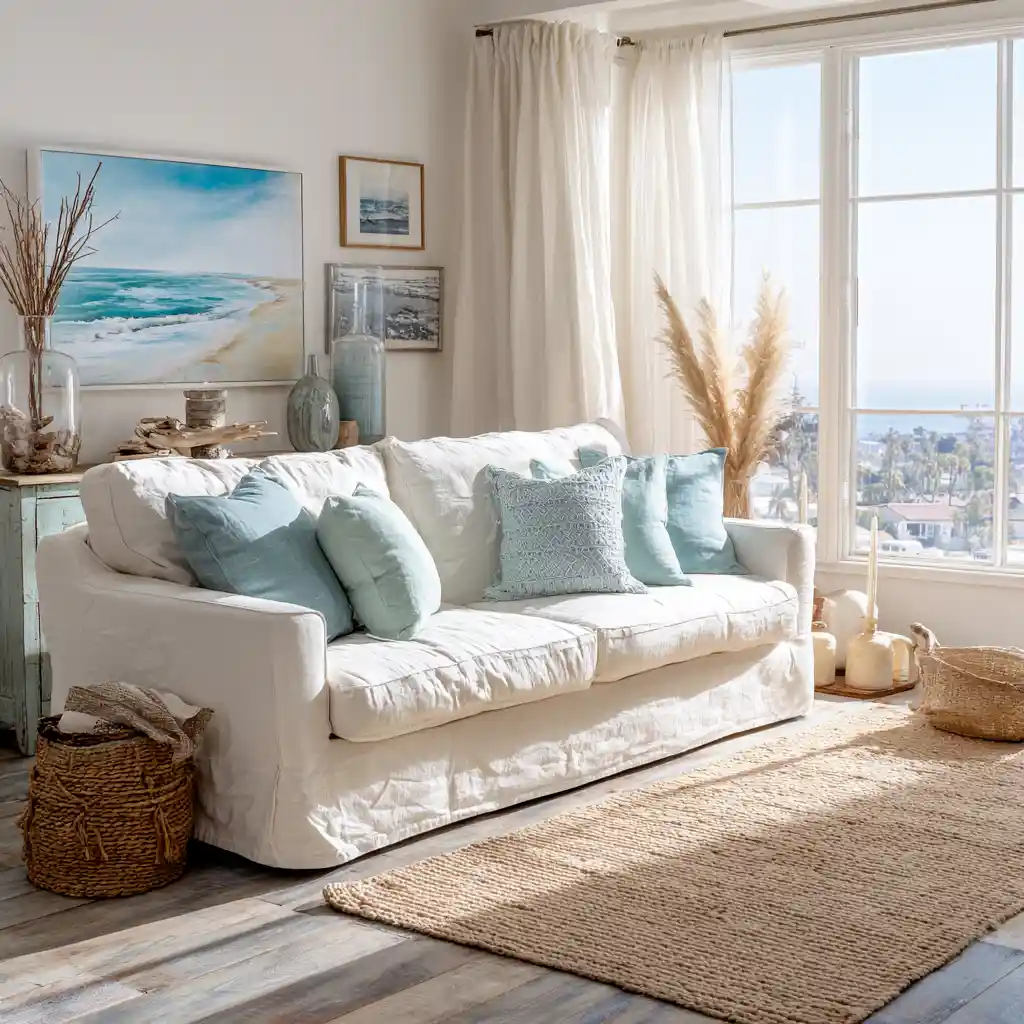
Neuroaesthetic design applies neuroscience research to interior spaces. This room uses soft white tones scientifically proven to reduce visual stress. Textured plaster walls provide subtle interest without overwhelming the senses. The oak console adds organic warmth.
Neuroaesthetic Design Principles:
- Avoid harsh contrasts
- Incorporate natural patterns
- Use curved lines (calming)
- Maximize natural light
- Include tactile elements
Research from Johns Hopkins School of Medicine confirms that carefully designed spaces lower cortisol levels by up to 25%. Consequently, homeowners report better sleep and reduced anxiety. The approach particularly benefits home offices converted back to living spaces post-pandemic.
Biophilic Nordic Living Room With Floor-To-Ceiling Windows & Greenery 2026
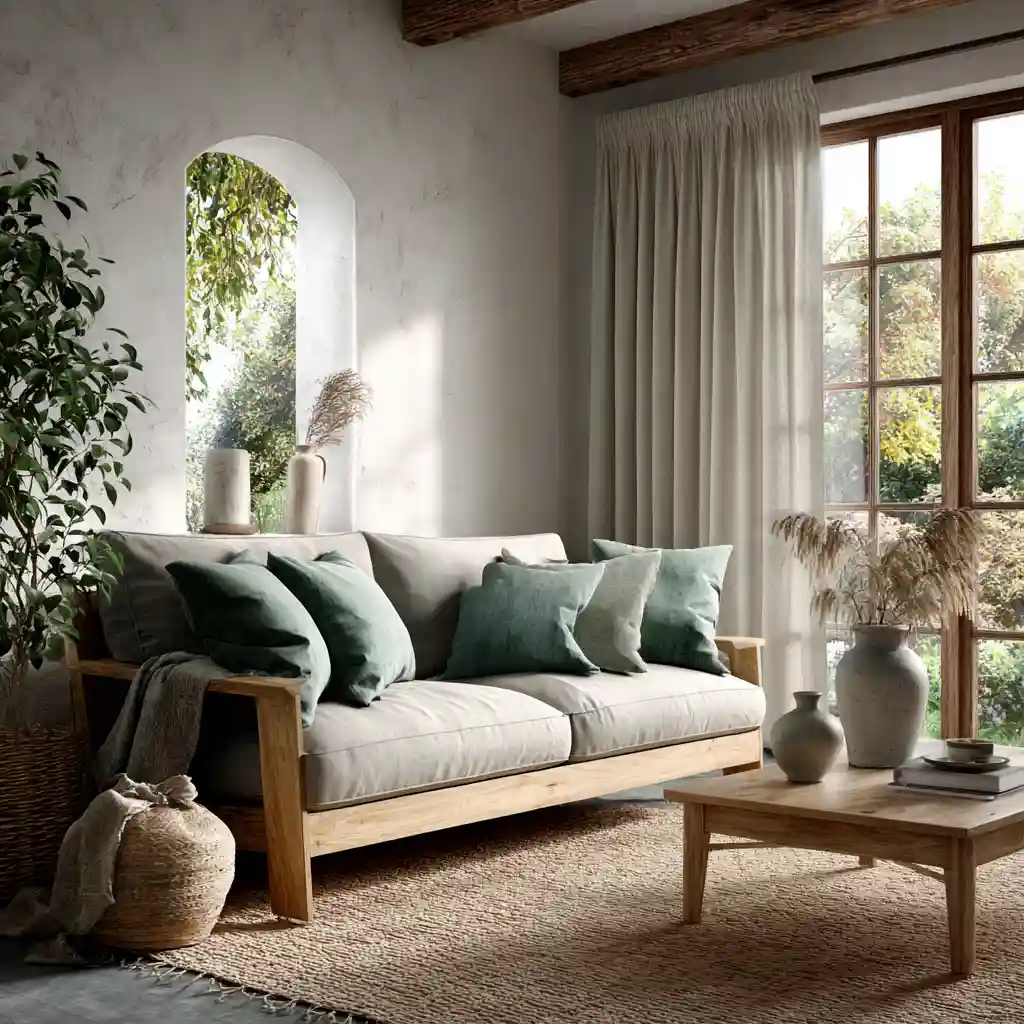
Biophilic design takes center stage with abundant greenery and maximum natural light. Floor-to-ceiling windows blur indoor-outdoor boundaries, while potted trees bring nature inside. This approach aligns with research from Harvard’s Healthy Buildings Program showing that biophilic spaces improve cognitive function by 15%.
Plant Recommendations:
- Fiddle leaf fig (statement piece)
- Snake plant (low maintenance)
- Pothos (air purifying)
- Rubber plant (sculptural form)
The neutral palette prevents visual competition with greenery. Moreover, natural materials like jute and cotton enhance the organic aesthetic. This design works exceptionally well in urban environments where nature access is limited.
Circadian Rhythm Lighting Design In Cozy Scandinavian Living Room 2026
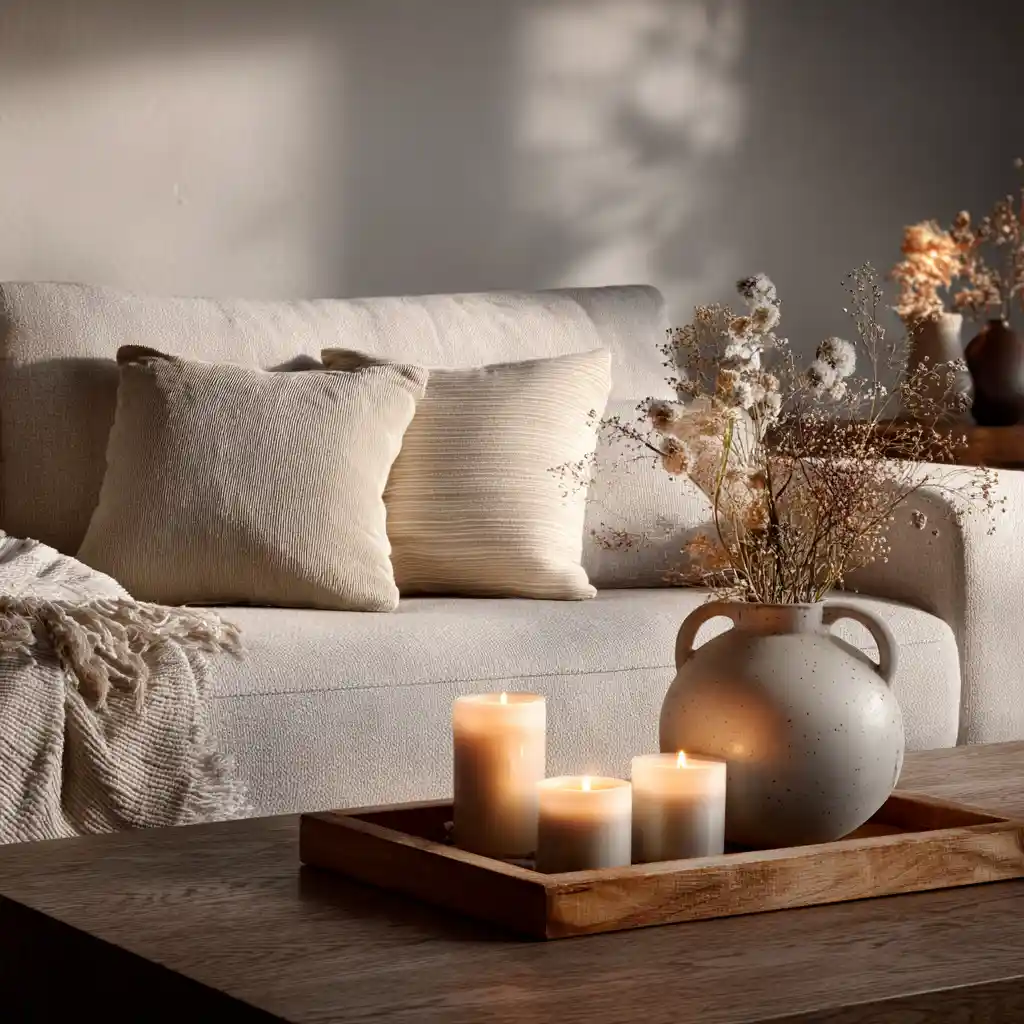
Smart circadian lighting adjusts color temperature throughout the day, mimicking natural sunlight patterns. This system uses cool blue-white light (5000K) mornings for alertness, transitioning to warm amber (2200K) evenings for relaxation.
Circadian Lighting Benefits:
- Improved sleep quality
- Better mood regulation
- Enhanced productivity
- Natural energy rhythms
The technology integrates seamlessly with Scandinavian aesthetics through minimalist fixtures. Furthermore, Harvard Medical School research confirms that proper lighting significantly impacts circadian health. Smart systems like Philips Hue or LIFX offer pre-programmed Nordic lighting scenes.
Installation Tip: Combine smart bulbs with traditional fixtures for budget-friendly upgrades.
Tactile Wellness Living Room With Layered Textures & Warm Lighting 2026
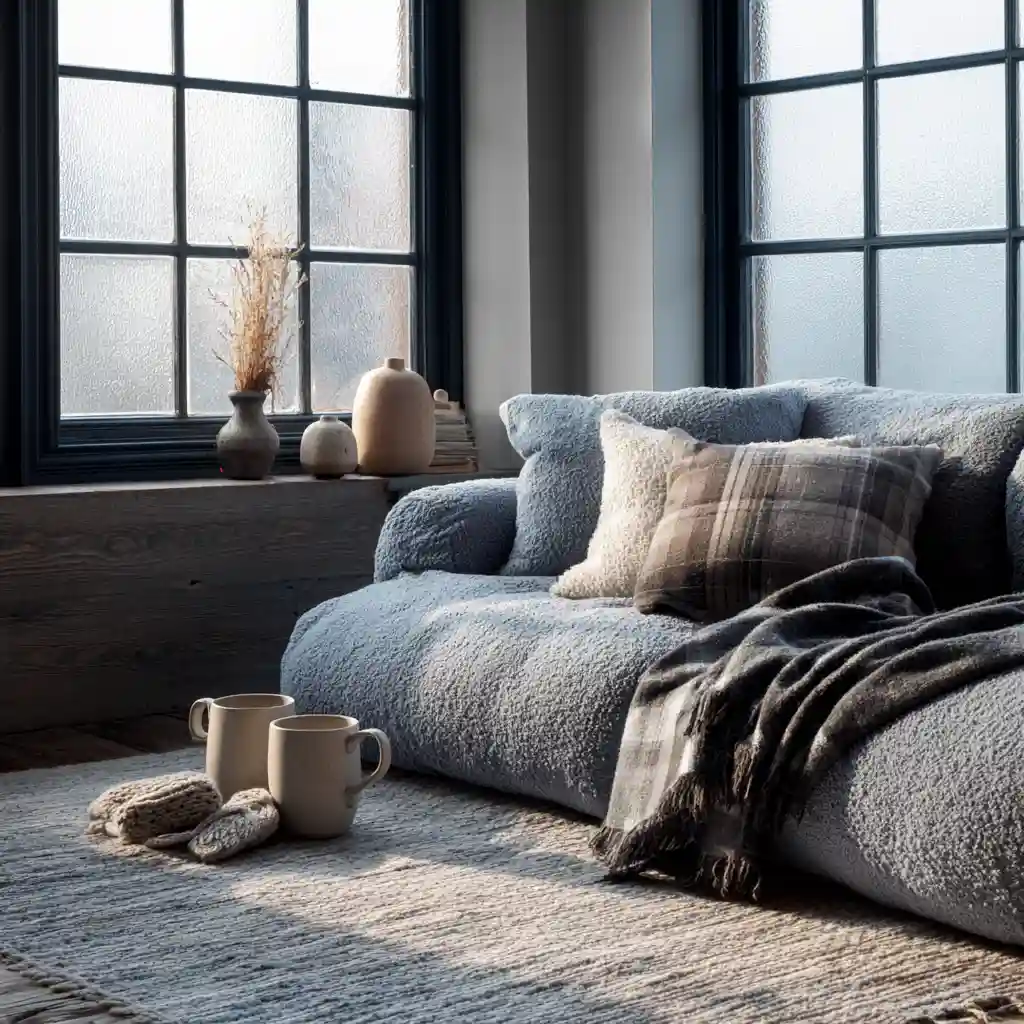
Tactile wellness design engages multiple senses through varied textures. Chunky knit throws, bouclé cushions, and woven jute rugs create physical comfort. Meanwhile, layered lighting overhead ambient, task reading lamps, and candlelight provides emotional warmth.
Texture Layering Guide:
- Soft: Velvet, bouclé, chenille
- Rough: Jute, sisal, wool
- Smooth: Linen, cotton, leather
- Warm: Sheepskin, faux fur accents
The design principles align with neuroaesthetic research from The Academy of Neuroscience for Architecture, which confirms that varied textures reduce stress hormones. Additionally, the warm lighting mimics natural circadian rhythms, improving sleep quality.
Elevated Nordic Living Room With Travertine Accents & Sculptural Lighting 2026
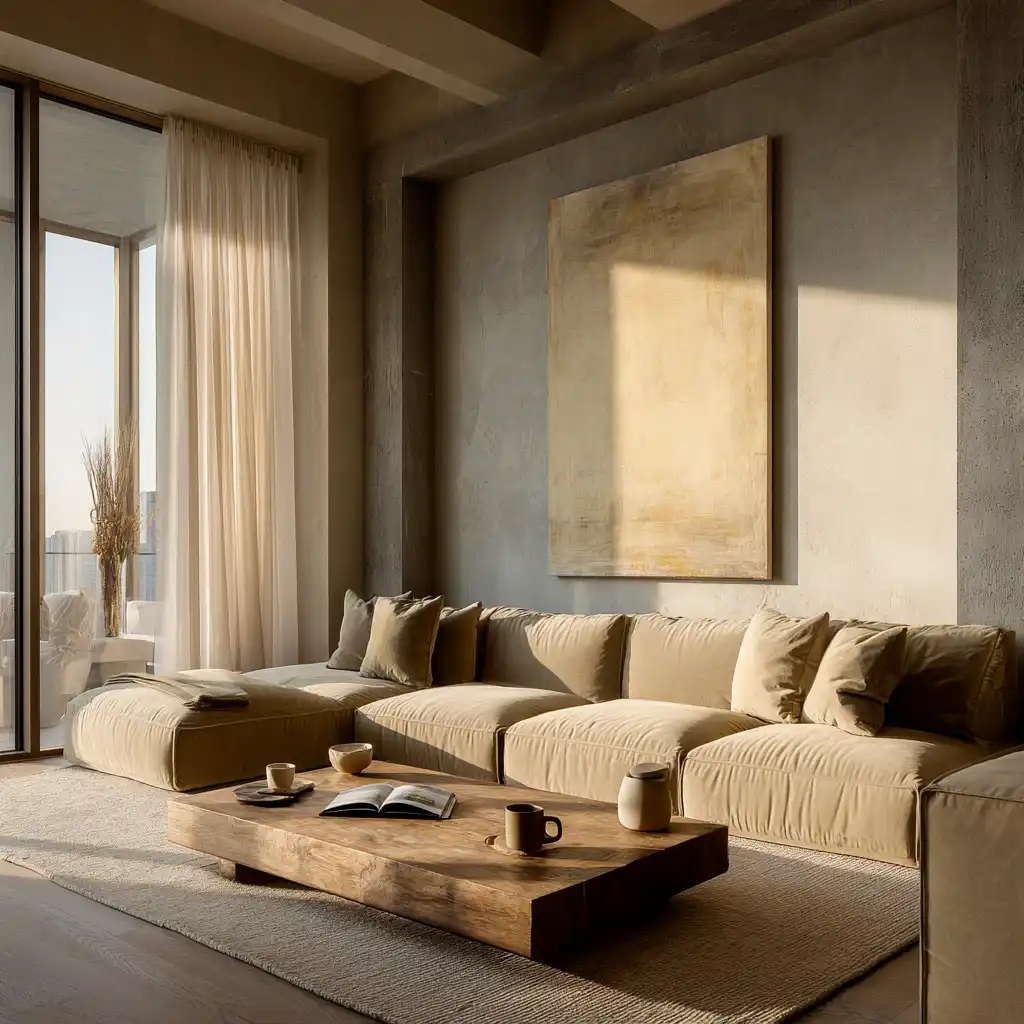
Luxury Scandinavian design emphasizes quality over quantity. A travertine coffee table serves as the sculptural centerpiece, while designer pendant lighting provides architectural interest. The oak paneling adds warmth to the elevated palette.
Luxury Material Trends 2026:
- Travertine stone surfaces
- Handblown glass lighting
- Bespoke oak millwork
- Designer textile collaborations
This approach targets the premium market without sacrificing Nordic restraint. Moreover, investment pieces age beautifully, developing character over time. The design philosophy aligns with slow living principles—buying less but better. Architectural Digest’s Luxury Living features similar high-end Nordic spaces.
ROI Note: Quality lighting fixtures retain 60-70% resale value.
Wabi-Sabi Nordic Interior With Imperfect Handcrafted Elements & Earthy Tones
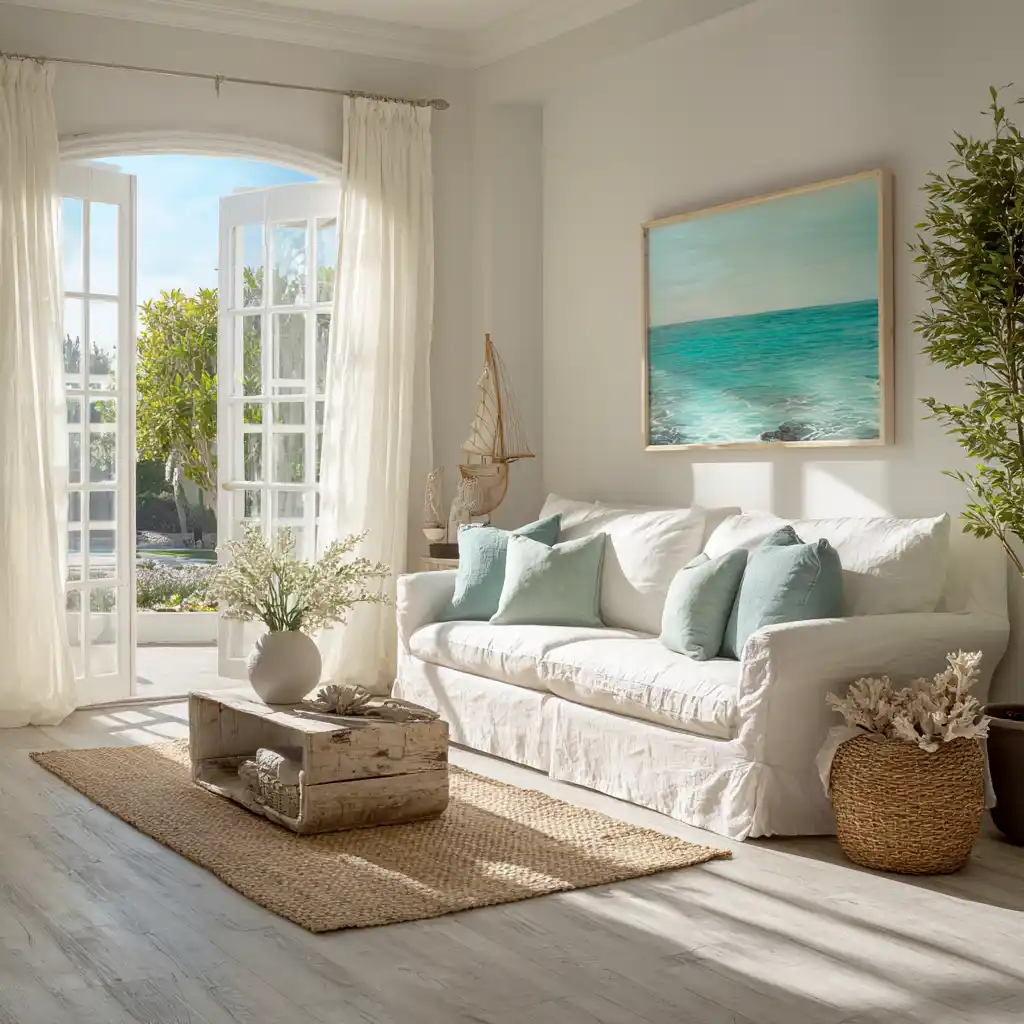
Wabi-sabi philosophy embraces imperfection and impermanence. This space celebrates handmade irregularities asymmetrical ceramics, naturally weathered wood, and hand-woven textiles with visible texture variations. The earthy linen tones enhance the organic aesthetic.
Wabi-Sabi Design Elements:
- Visible wood grain/knots
- Handmade pottery (irregular)
- Naturally aged materials
- Organic fabric weaves
- Lived-in patina
The approach counters perfectionism prevalent in social media-driven design. Moreover, wabi-sabi pieces gain character over time rather than appearing worn. Kinfolk Magazine extensively covers the intersection of Scandinavian and Japanese minimalist philosophies.
Mindset Shift: View scratches and wear as storytelling, not damage.
Scandinavian Design Elements Explained
What is Warm Minimalism?
Warm minimalism softens traditional minimalism’s starkness through intentional material choices. Instead of cold whites and metals, it emphasizes natural wood tones, organic textiles, and amber lighting. The philosophy maintains “less is more” while prioritizing emotional comfort.
Key Differences:
| Traditional Minimalism | Warm Minimalism |
|---|---|
| Stark white walls | Greige, soft neutrals |
| Metal/glass materials | Wood, linen, wool |
| Cool LED lighting | Warm 2700K lighting |
| Sparse decoration | Curated natural objects |
| Rigid symmetry | Organic arrangements |
Biophilic Design in Nordic Interiors
Biophilic design connects inhabitants with nature through:
- Direct nature contact: Plants, natural light, water features
- Indirect contact: Natural materials, nature-inspired patterns
- Space conditions: Ample daylight, fresh air circulation
Studies show biophilic environments improve productivity by 15% and well-being by 20% (Terrapin Bright Green Research).
Sustainable Materials Guide
Certified Sustainable Options:
- Wood: FSC/PEFC certified oak, ash, birch
- Textiles: GOTS organic cotton, European flax linen
- Furniture: Greenguard Gold certified (low VOC)
- Rugs: Wool from responsible sources, jute, sisal
Always verify certifications through manufacturer websites. Good On You provides brand sustainability ratings.
How to Achieve Scandinavian Style on Any Budget
Budget Breakdown by Investment Level
Starter Budget (£500-1,500):
- Focus on paint (greige/warm white)
- Add affordable linen textiles
- Source secondhand oak furniture
- DIY floating shelves
- Invest in one quality rug
Mid-Range (£1,500-5,000):
- Modular sofa system
- Smart lighting setup
- Quality oak coffee table
- Mix affordable + investment pieces
- Professional paint finish
Premium (£5,000+):
- Custom millwork
- Designer lighting
- Travertine surfaces
- Bespoke furniture
- Artisan textiles
DIY vs. Professional Investment
DIY-Friendly Projects:
✓ Painting walls warm neutrals
✓ Installing floating shelves
✓ Styling with textiles
✓ Arranging lighting
✓ Sourcing vintage pieces
Worth Professional Investment:
✗ Electrical work for smart lighting
✗ Custom built-ins
✗ Flooring installation
✗ Major layout changes
✗ Plaster wall finishes
Shopping Guide: Where to Buy Scandinavian Furniture & Decor
USA Retailers
Affordable:
- IKEA (modular basics)
- West Elm (mid-century inspired)
- Article (online modern)
Mid-Range:
- Room & Board (quality American-made)
- Blu Dot (contemporary Nordic)
- Design Within Reach (curated selection)
Premium:
- DWR Studio (designer pieces)
- Finnish Design Shop (authentic Nordic)
- Skandium (UK-based, ships USA)
UK & Europe Sources
UK Retailers:
- IKEA (accessible Nordic basics)
- Made.com (contemporary design)
- Heal’s (established British quality)
- Skandium London (authentic Scandinavian)
European Direct:
- HAY (Danish design)
- Muuto (Nordic innovation)
- Normann Copenhagen (Danish contemporary)
- Artek (Finnish classics)
Vintage Sources:
- 1stDibs (authenticated pieces)
- Vinterior (European vintage)
- Local estate sales
- Nordic auction houses
Common Mistakes to Avoid
Design Pitfalls
1. Too Much White
Pure white spaces feel cold and sterile. Instead, use warm whites (with yellow undertones) or greige for inviting atmospheres.
2. Ignoring Scale
Oversized furniture overwhelms small spaces. Always measure rooms and create scaled floor plans before purchasing.
3. Neglecting Lighting Layers
Single overhead lights create harsh shadows. Combine ambient, task, and accent lighting for depth.
4. Fast Furniture Mentality
Cheap particle board contradicts Scandinavian sustainability principles. Invest in fewer, quality pieces.
5. Forgetting Texture
All-smooth surfaces feel flat. Mix smooth linen with rough jute, soft bouclé with hard wood.
Maintenance & Care Tips
Caring for Natural Materials
Oak Furniture:
- Dust weekly with microfiber cloth
- Apply furniture oil annually
- Address spills immediately
- Avoid direct sunlight (fading)
- Use coasters/placemats
Linen Textiles:
- Wash in cool water
- Air dry (avoid dryer)
- Embrace natural wrinkles
- Spot clean when possible
- Professional clean annually
Wool Rugs:
- Vacuum weekly (no beater bar)
- Rotate every 6 months
- Professional clean every 2-3 years
- Address stains immediately
- Use rug pads (prevent slipping)
Final Thoughts: Creating Your Scandinavian Sanctuary
Scandinavian living room design in 2026 represents the evolution of minimalism warmer, more personal, and deeply sustainable. The key lies in balancing restraint with comfort, quality with accessibility, and tradition with innovation.
Your Action Plan:
- Start with paint: Transform walls to warm neutrals
- Invest in lighting: Layer ambient, task, and accent sources
- Choose one quality piece: A modular sofa or oak coffee table
- Add natural textures: Linen, jute, wool in layers
- Incorporate nature: Plants and natural light
- Edit ruthlessly: Remove anything that doesn’t serve function or joy
Remember, authentic Scandinavian design isn’t about following trends it’s about creating spaces that support your daily life while respecting the environment. Whether you implement one idea or transform your entire room, these principles guide you toward a home that feels both timeless and contemporary.
The 14 examples showcase diverse approaches, proving that Nordic style adapts to any budget, space size, or personal aesthetic. Your perfect Scandinavian living room combines these principles with your unique story.
Ready to transform your space? Start with one element today, your future sanctuary awaits.
About the Author
M.Yazdaan is a Home Decor Editor with 7+ years of experience specializing in residential interior styling and renovation trends. Having worked with multiple home-focused publications across the USA, UK, and Europe, M.Yazdaan brings expert knowledge of material selection, space planning, and contemporary design movements. This article was fact-checked and reviewed by Emma Cartel, Research & Editorial Standards Coordinator, ensuring accuracy and credibility.
Learn More, Visit out page About Us.
References & Further Reading
- Dezeen – 2026 Interior Design Forecast
- Architectural Digest – Wellness Design Research
- Dwell – Warm Minimalism Guide
- Harvard Healthy Buildings Program – Biophilic Design Benefits
- Apartment Therapy – Modular Furniture Guide
- Academy of Neuroscience for Architecture – Neuroaesthetic Research
- The Guardian – Sustainable Living
- TreeHugger – Green Design Resources
- Kinfolk Magazine – Scandinavian-Japanese Design
- Terrapin Bright Green – Biophilic Design Patterns
FAQs – Scandinavian Living Room Ideas 2026
“Scandinavian” specifically refers to Denmark, Norway, and Sweden, while “Nordic” includes these three plus Finland and Iceland. In practice, the terms are often used interchangeably when discussing interior design, as they share common principles of minimalism, functionality, and natural materials.
No, but it’s evolving. The 2026 iteration moves toward warm minimalism, bolder colors, and increased sustainability focus. The core principles—functionality, quality materials, and connection to nature remain timeless and continue dominating global design trends.
A basic Scandinavian living room transformation costs £500-1,500 through strategic painting, affordable textiles, and secondhand furniture. Mid-range renovations run £1,500-5,000, while premium installations with custom elements exceed £5,000. Prioritize quality over quantity for authentic results.
Absolutely. Scandinavian principles actually originated in small Nordic apartments. Key strategies include modular furniture, light color palettes, multifunctional pieces, and maximizing natural light. The minimalist approach prevents visual clutter, making small spaces feel larger.
Warm neutrals dominate: greige, butter yellow, sage green, terracotta, and cocoa brown. These replace the cool whites and greys of previous years. Oak and honey-toned woods provide warmth, while olive green and rust serve as popular accent colors.
For authentic pieces, shop directly from Nordic brands: HAY, Muuto, Artek, and Normann Copenhagen ship internationally. In the USA, try Finnish Design Shop, Skandium, or Design Within Reach. UK/Europe shoppers can access Made.com, Heal’s, and local Scandinavian importers. Vintage options include 1stDibs and Vinterior.
Use 2700-3000K (warm white) for living spaces. This mimics Nordic candlelight and enhances wood tones. Avoid cool white (4000K+) in residential settings—it feels institutional. Consider smart bulbs that adjust throughout the day, providing energizing cool light mornings and relaxing warm light evenings.
Recent Posts
Best Bathroom Flooring Ideas: Complete Expert Guide for 2026