Soft Autumn Color Palette: Deep, Warm, Dark & True Autumn Hues Guide
Written by: M. Yazdaan, Home Decor Editor
Reviewed by: Emma Cartel, Research & Editorial Standards Coordinator
Autumn color palettes bring unmatched warmth to interior spaces. However, instead of following fleeting trends, these muted earth tones create lasting comfort. This guide explores soft autumn, deep autumn, dark autumn, warm autumn, and true autumn color palettes.
Whether you’re designing a nursery or transforming your living room, understanding autumn color families helps you choose palettes that work. Moreover, these colors function year-round, offering timeless appeal and versatility.
Understanding Autumn Color Palette Families
Autumn color palettes divide into distinct families based on depth, warmth, and saturation. Consequently, understanding these differences helps you select colors matching your space.
The Five Main Autumn Palette Types:
Soft Autumn Color Palette: Muted, dusty tones with warm undertones at medium depth. Think dusty rose, olive green, warm beige.
Deep Autumn Color Palette: Rich, saturated colors with significant depth. Examples include burgundy, forest green, chocolate brown.
Dark Autumn Color Palette: The darkest autumn tones with warm undertones. Features deep rust, charcoal olive, burnt umber.
Warm Autumn Color Palette: Colors with pronounced yellow and orange undertones. Includes golden mustard, terracotta, warm amber.
True Autumn Color Palette: Classic autumn hues at medium saturation. Traditional pumpkin, olive, caramel tones.
According to Pantone Color Institute, warm earth tones continue dominating interior design across USA, UK, Canada, and European markets. Furthermore, these palettes work across design styles from modern to traditional.
Soft Autumn Color Palette: Muted Warmth for Sophisticated Spaces


Soft autumn color palette represents the most versatile autumn family. These muted, dusty tones contain gray undertones that soften intensity. Consequently, soft autumn colors work in spaces requiring sophistication without boldness.
Key Soft Autumn Colors:
Pale Lilac: Dusty purple-gray perfect for nurseries. Specifically, the pale lilac kids’ room creates calming atmosphere without coldness. Additionally, paired with natural wood, this shade provides warmth while promoting tranquility. As a result, it works beautifully in children’s spaces.
Mauve & Dusty Rose: Sophisticated pink-brown hybrids for bedrooms. Similarly, the mauve bedroom demonstrates how these tones create intimate spaces. Moreover, mauve pairs beautifully with brass fixtures and burgundy accents. Thus, it delivers layered sophistication.
Muted Sage & Olive: Soft green-grays bringing nature indoors. In particular, these colors work as foundational neutrals or statement walls depending on application. Therefore, they offer maximum flexibility.
Warm Beige & Taupe: Essential soft autumn neutrals. Likewise, these shades coordinate with all other autumn tones while maintaining warmth. Consequently, they serve as perfect foundations.
Soft autumn colors succeed because they never compete with furniture. According to designer Kelly Wearstler in her interviews with Architectural Digest, “Muted earth tones create spaces that feel collected over time.”
Designer Tip: Use soft autumn colors throughout open-concept spaces for cohesive flow. Their muted quality prevents visual overwhelm.
Deep Autumn Color Palette: Rich Saturation for Dramatic Impact

Deep autumn color palette features the richest, most saturated autumn tones. These colors provide drama and depth without crossing into cool territory. Therefore, deep autumn works brilliantly where you want memorable impact with warm sophistication.
Essential Deep Autumn Colors:
Deep Olive Green: Rich yellow-green with substantial depth. Notably, the contemporary bedroom demonstrates olive’s ability to create striking yet calming spaces. Furthermore, deep olive pairs exceptionally well with black metal and ivory. As a result, it creates high-contrast elegance.
Burgundy & Wine: Sophisticated reds with brown undertones. Specifically, these colors create immediate warmth and formal elegance. In addition, they work beautifully in dining rooms.
Forest Green: Deep blue-green feeling both natural and luxurious. Similarly, it works beautifully in libraries and living rooms seeking grounded sophistication.
Chocolate Brown: Rich, warm brown essential for grounding deeper palettes. Likewise, it provides necessary depth without coldness.
Deep autumn color palette requires confidence but delivers significant visual payoff. Additionally, these colors photograph beautifully and create spaces feeling both current and timeless.
Designer Tip: Balance deep autumn walls with lighter furniture and ample lighting. Dark colors need sufficient illumination to prevent cave-like feelings.
Dark Autumn Color Palette: The Boldest Warm Tones
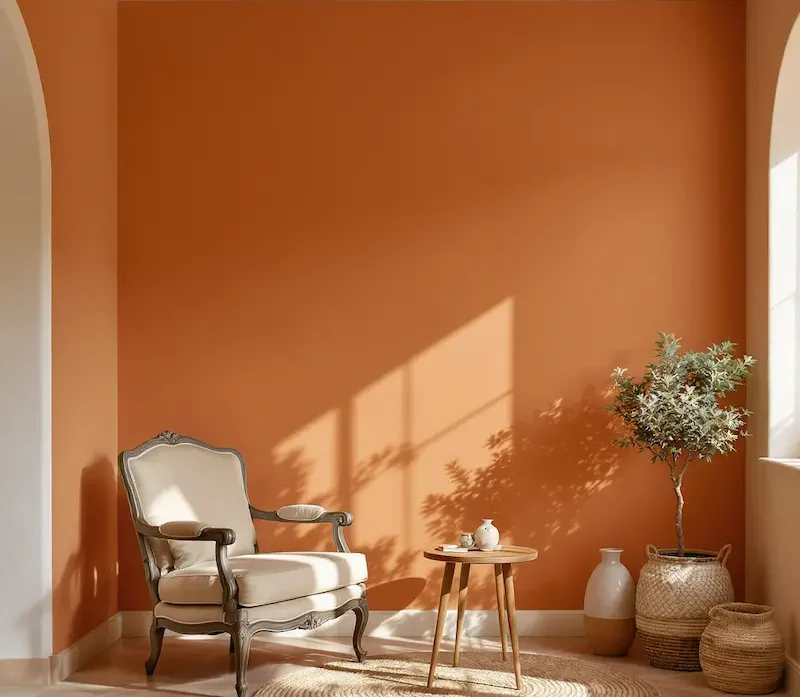
Dark autumn color palette pushes depth further while maintaining warmth. These represent autumn’s darkest expression with substantial presence. Consequently, dark autumn works best as accent colors rather than whole-home applications.
Dark Autumn Color Characteristics:
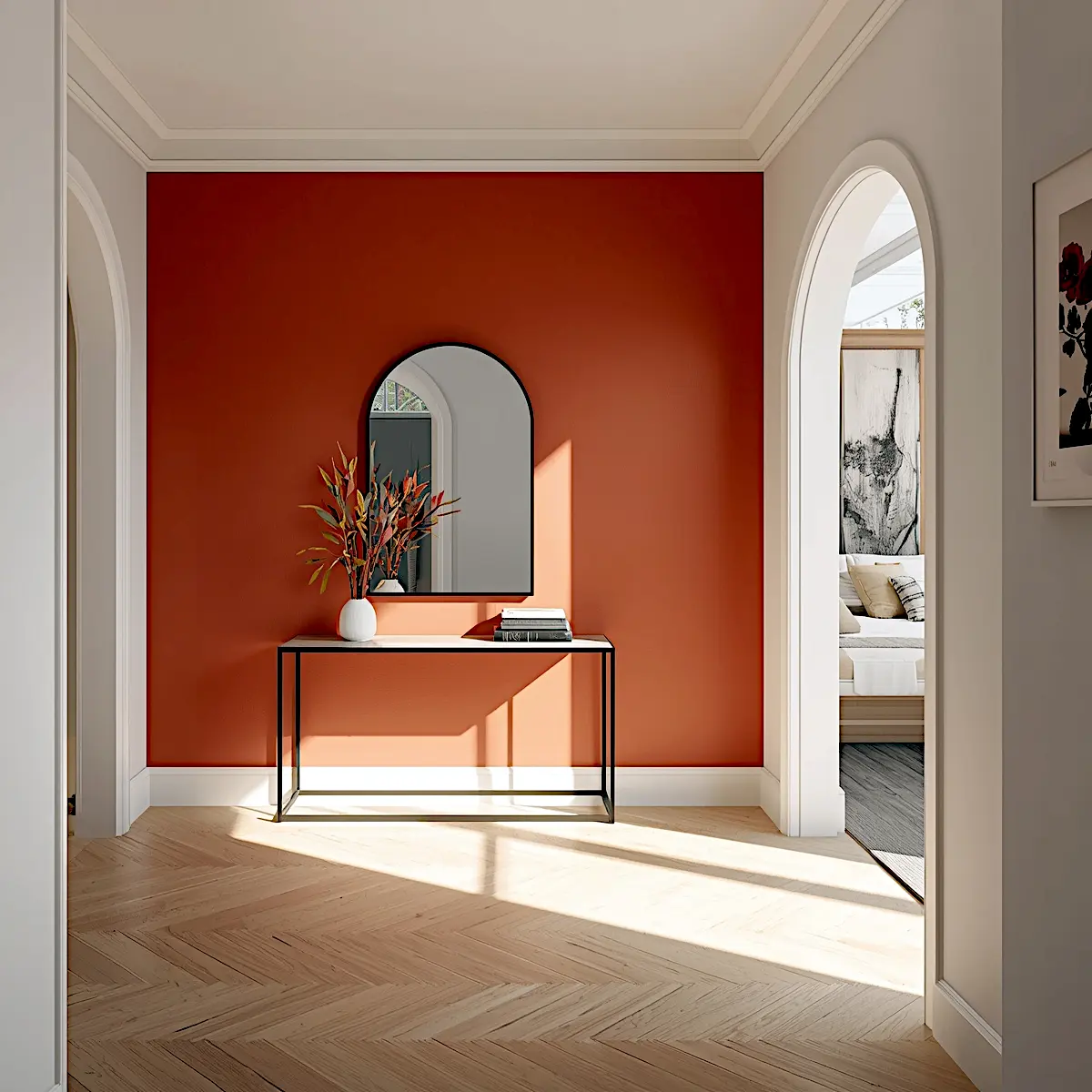
Deep Rust & Burnt Orange: Darkened terracotta tones with significant depth. In particular, these are perfect for accent walls where bold statements work. However, use them sparingly for best impact.
Charcoal Olive: Nearly black green-gray with warm undertones. Specifically, this creates sophisticated drama in modern spaces. Therefore, it works beautifully in contemporary homes.
Burnt Umber & Deep Brown: Darkest browns with red undertones. Similarly, these work beautifully in traditional spaces as grounding elements.
Dark Teal: Deep blue-green straddling autumn and winter palettes. In addition, it provides unexpected sophistication in bathrooms and bedrooms.
Dark autumn colors work best in rooms with abundant natural light. Therefore, assess your lighting carefully before committing to dark autumn shades.
Warm Autumn Color Palette: Golden Undertones Throughout

Warm autumn color palette emphasizes yellow and orange undertones. These are autumn’s sunniest, most energizing tones. Moreover, warm autumn creates spaces feeling perpetually bathed in golden-hour light.
Signature Warm Autumn Colors:
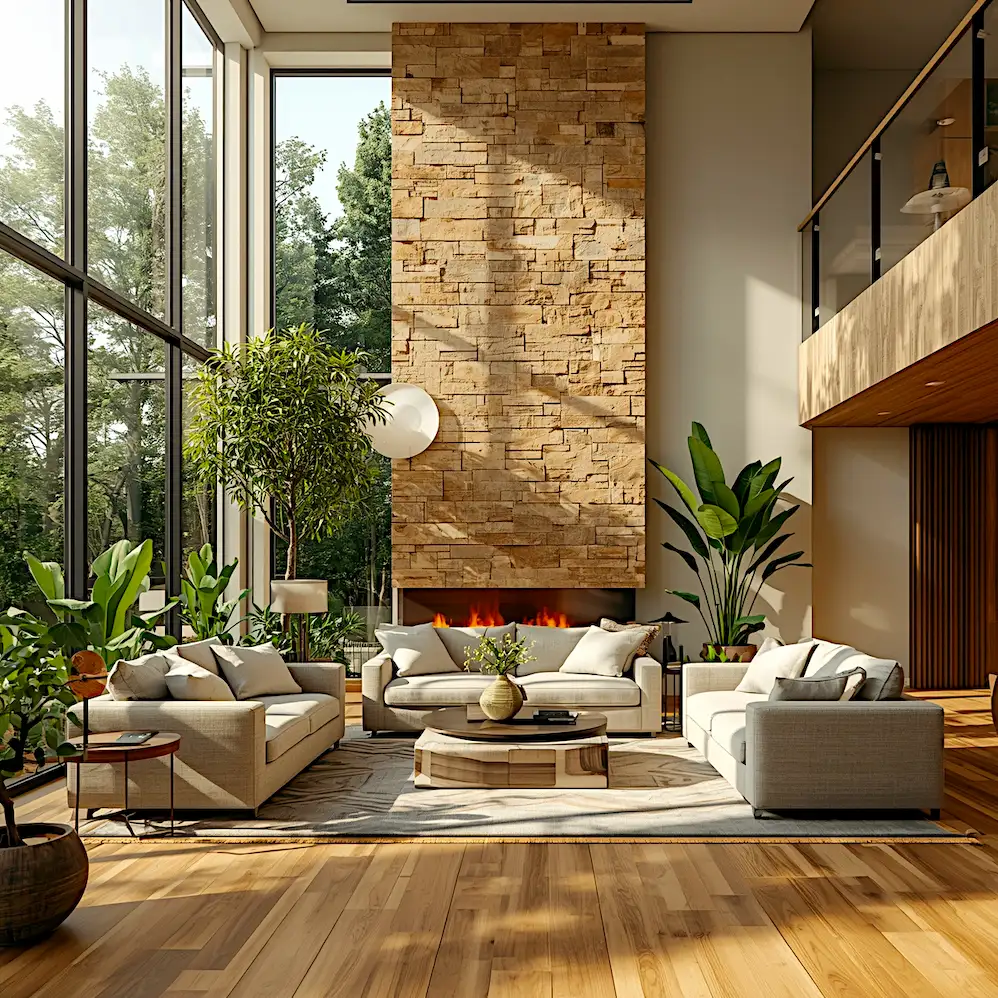
Mustard Yellow & Golden: Notably, the living room demonstrates mustard’s power as dramatic accent color. This golden-brown yellow creates instant focal points. Furthermore, mustard pairs beautifully with cream, navy, and natural wood. As a result, it delivers sophisticated warmth.
Terracotta & Clay: Warm orange-browns perfect for cozy atmospheres. Similarly, these colors work throughout homes from kitchens to bedrooms. Therefore, they offer maximum versatility.
Warm Caramel & Amber: Golden browns feeling sunny and grounded simultaneously. Likewise, they serve as essential neutrals for warm schemes.
Peachy Coral: Soft orange-pinks ideal for nurseries needing cheerful warmth. In addition, they work beautifully in breakfast nooks.
Warm autumn color palette creates the coziest autumn expression. According to color psychology research from Psychology Today, warm yellow-based tones promote optimism.
Designer Tip: Limit warm autumn’s boldest shades to single accent walls. Multiple mustard walls can feel overwhelming.
True Autumn Color Palette: Classic Balanced Warmth

True autumn color palette represents autumn’s most traditional expression. These colors balance warmth, depth, and saturation at medium levels. Consequently, true autumn feels most universally accessible.
True Autumn Essential Colors:
Classic Olive: Medium green-brown that’s neither too light nor too dark. Consequently, it works in any room type from kitchens to bedrooms.
Pumpkin & Rust: Traditional autumn oranges at moderate saturation. Similarly, they work beautifully for seasonal and permanent applications.
Warm Taupe & Mushroom: Balanced brown-grays serving as versatile neutrals. Therefore, they coordinate seamlessly with other autumn tones.
Caramel & Toffee: Medium golden-browns feeling both warm and grounded. In addition, they’re essential for whole-home schemes.
True autumn color palette offers the safest autumn choices. Moreover, true autumn coordinates easily with existing furniture since most wood tones fall within this palette.
Light Autumn & Cool Autumn Color Palettes: Softer Alternatives


While most autumn palettes emphasize depth, light autumn color palette and cool autumn color palette offer lighter alternatives.
Light Autumn Color Palette:
Light autumn color palette features the palest autumn tones colors with significant white content but warm undertones. The peach nursery and sandstone hallway demonstrate light autumn’s gentle warmth. Therefore, light autumn color palette works beautifully in small spaces and north-facing rooms.
Key light autumn colors: Soft peach, pale caramel, creamy mushroom.
Cool Autumn Color Palette:
Cool autumn color palette brings unexpected coolness while maintaining autumn warmth. The mint green kids’ room shows cool autumn’s fresh quality. Consequently, cool autumn color palette works in spaces needing cleanliness associations like bathrooms.
Key cool autumn colors: Dusty mint, sage gray-green, cool taupe, soft aqua.
Both light autumn color palette and cool autumn color palette provide options for those wanting autumn warmth without typical depth.
Choosing Your Autumn Color Palette by Room Function
Different spaces require different autumn expressions. Match palette intensity to room purpose.
Bedroom Autumn Colors:
Soft autumn: Mauve, pale lilac
Deep autumn: Olive green, burgundy
Warm autumn: Peachy coral, caramel
Living Room Autumn Colors:
Warm autumn: Mustard accents
Deep autumn: Forest green, olive
True autumn: Classic olive, rust
Children’s Space Autumn Colors:
Light autumn: Soft peach, pale lilac
Cool autumn: Mint green
Soft autumn: Dusty rose, muted sage
Combining Multiple Autumn Palettes Successfully
You can layer different autumn palettes throughout your home. Follow these principles:
Whole-Home Strategy:
Foundation: Use light autumn (warm beige) throughout hallways.
Room-specific intensity: Add deeper tones in rooms. Notably, living rooms handle warm or deep autumn accents. Similarly, bedrooms work with soft or true autumn tones.
Consistent elements: Keep trim in warm white or cream to unify varied colors. Additionally, choose wood tones consistently.
Transition spaces: Use true autumn or soft autumn in hallways connecting bolder rooms.
Lighting Requirements for Autumn Color Palettes
Autumn colors respond dramatically to lighting. Test colors in your space before committing.
Natural Light Considerations:
Abundant southern light: Can handle deep autumn and dark autumn with flexibility for bold choices.
Limited northern light: Requires light autumn or soft autumn. Deeper tones may appear muddy rather than rich.
Eastern/Western light: True autumn and warm autumn work beautifully, shifting attractively throughout the day.
Artificial Lighting:
Use warm LED bulbs (2700K-3000K) with all autumn palettes. Cool white lighting makes autumn tones appear dull. Furthermore, consider dimmers to adjust intensity throughout the day.
Autumn Color Palette Mistakes to Avoid
Even beautiful autumn colors fail when applied incorrectly. Avoid these errors:
Mistake 1: Wrong Intensity for Space Size
Small rooms with dark autumn feel claustrophobic. Large rooms with light autumn feel washed out. Match intensity to space size.
Mistake 2: Insufficient Contrast
All muted tones without bright white or black creates flatness. Include crisp trim for interest.
Mistake 3: Ignoring Undertones
Autumn colors have warm undertones. Pairing them with cool grays creates discord. Use warm neutrals instead.
Mistake 4: Wrong Testing Conditions
Paint stores have different lighting. Always test samples on your actual walls under your lighting.
Autumn Color Palette: Final Recommendations
Autumn color palettes offer warmth. Whether you choose soft autumn, deep autumn, warm autumn, or true autumn, these create inviting spaces. Indeed, they work beautifully.
Importantly, start with one room. Observe performance. Expand gradually. Ultimately, paint remains changeable, making autumn palettes perfect.
FAQs About Autumn Color Palettes
Q1: What’s the difference between soft autumn and deep autumn color palettes?
Soft autumn features muted, dusty tones with gray undertones at medium depth. Deep autumn uses rich, saturated colors with significant depth and minimal gray.
Q2: Can I use warm autumn color palette in modern minimalist homes?
Yes, warm autumn works beautifully in minimalist spaces. Choose warm caramel, golden mustard accents, or classic olive for understated warmth.
Q3: Which autumn color palette works best for resale value?
True autumn and soft autumn offer the safest choices. Specifically, warm beige, pale caramel, and muted sage maintain warmth while appealing broadly.
Q4: How do I know which autumn palette suits my home?
Consider your natural lighting and space size. Abundant light handles deep or dark autumn. Limited light requires light autumn or soft autumn.
Q5: Can I mix different autumn color palettes in one home?
Yes, successful homes layer multiple autumn palettes strategically. Use light autumn or soft autumn as foundation, then add warmer or deeper tones.
Q6: What white trim color works with autumn color palettes?
Use warm whites with slight yellow or cream undertones. Pure bright white creates harsh contrast with warm autumn tones.
About the Author:
M. Yazdaan is a Home Decor Editor with 7+ years of experience specializing in residential interior styling, renovation trends, and material selection across living, kitchen, bathroom, and outdoor spaces. Contributing to multiple home-focused publications, M. Yazdaan helps homeowners make informed design decisions backed by industry research and real-world applications.
Fact-Checked by:
Emma Cartel, Research & Editorial Standards Coordinator with 8+ years of experience, oversees fact-checking, specification validation, sourcing integrity, and editorial standards for all published content. Her work ensures accuracy in measurements, costs, timelines, and industry data citations.
More about our editorial team: About Us
Recent Posts