Top 10 Upcoming Smart Home Gadgets of 2026 Everyone Is Waiting For
Introduction
Smart home technology is entering its most important phase yet. Until now, connected devices focused on convenience turning lights on, playing music, or showing notifications. But the upcoming smart home gadgets of 2026 are being built with a far bigger goal: to reduce effort, remove complexity, and quietly manage everyday life.
From the much-anticipated Apple Smart Home Hub to Matter-based ecosystems, AI security systems, robot vacuums with true autonomy, and Wi-Fi 7 smart networks, these devices are not isolated upgrades. Together, they represent a shift toward homes that think, adapt, and operate as one system.
This guide covers the 10 smart home gadgets everyone is waiting for explaining why they matter what they are expected to replace and how they will redefine modern living.
Apple Smart Home Hub — Next-Level Control
Status: Expected / Rumoured (Not officially announced)
What this device is
A dedicated Apple smart home control hub with a screen, designed to manage HomeKit devices from one place.
Key Features (Expected)
- Touchscreen smart home dashboard
- Advanced Siri with AI automation
- Matter & HomeKit support
- Local (on-device) processing for privacy
Uses
- Control lights, AC, security, scenes
- Daily routines (morning, night, away)
- Central control for Apple users
Why everyone is waiting
Apple users want one serious home controller, not scattered apps.
Can replace
- Multiple HomeKit apps
- Basic smart speakers (HomePod for control tasks)
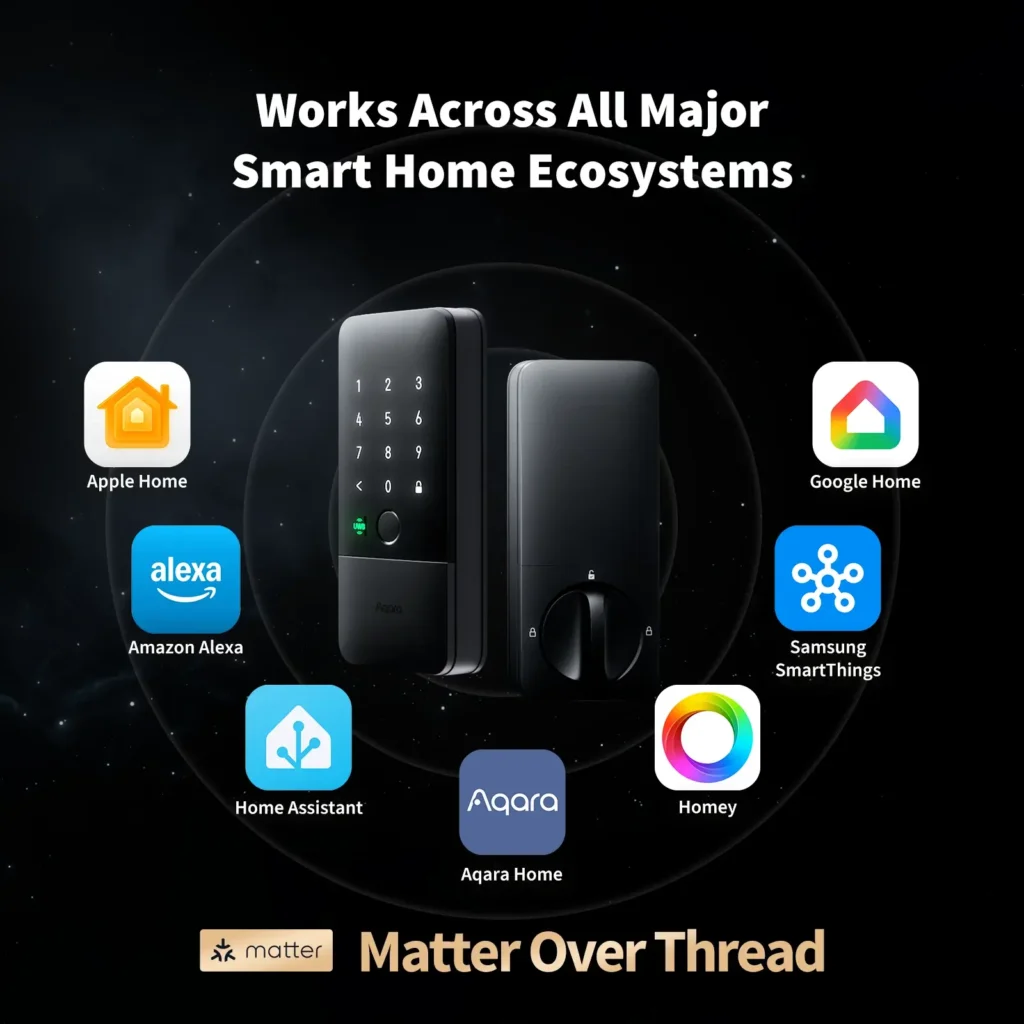
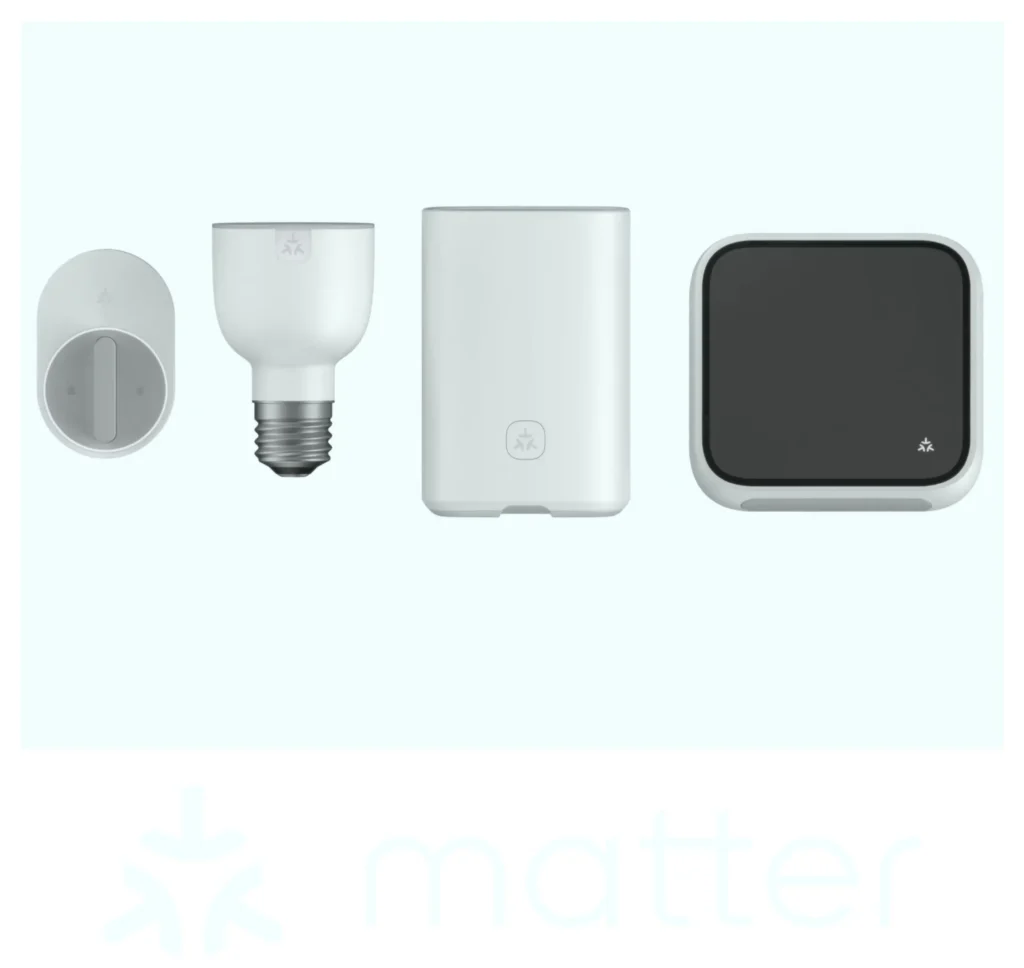
IKEA Matter Smart Home Ecosystem
Status: Confirmed expansion
What this device set is
A full range of affordable smart home gadgets (lights, sensors, switches) built on the Matter standard.
Key Features
- Matter compatibility (Apple, Google, Amazon)
- Simple setup
- Budget-friendly pricing
Uses
- Smart lighting
- Motion-based automation
- Entry-level smart homes
Why everyone is waiting
Because people want cheap smart devices that won’t become useless later.
Can replace
- Traditional bulbs & switches
- Brand-locked smart devices
Release Date: IKEA Matter Smart Home Ecosystem – Jan–Apr 2026
Doma Intelligent Door — The Smart Door Revolution
Status: Limited-market launch expected
What this device is
A fully integrated smart door, not just a lock.
Key Features
- Facial recognition
- Built-in smart lock
- Doorbell camera
- App-based access control
Uses
- Keyless entry
- Guest & delivery access
- High-security homes
Why everyone is waiting
Because it combines lock + camera + access control into one premium system.
Can replace
- Traditional door locks
- Smart locks + doorbell combo setups
AT&T Connected Life Security Kits
Status: Announced / Rolling out
What this device is
A smart home security system combining sensors, cameras, and backup connectivity.
Key Features
- Motion, door & window sensors
- Cellular + battery backup
- Professional monitoring options
Uses
- Home intrusion protection
- Emergency alerts
- Family safety
Why everyone is waiting
Because most security systems fail during internet or power cuts this one doesn’t.
Can replace
- Old alarm systems
- Basic Wi-Fi-only security kits
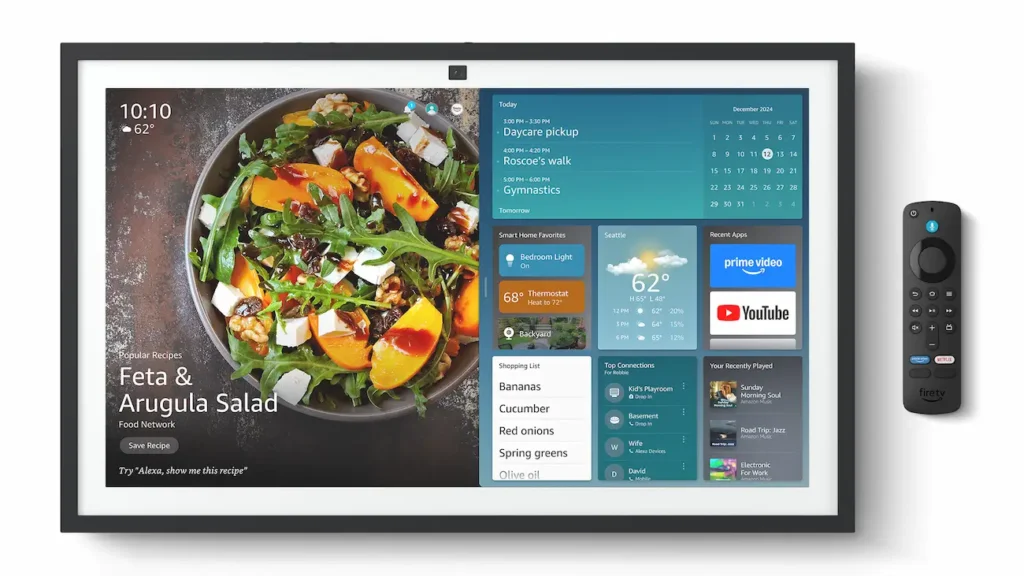
AI-Powered Smart Displays & Assistants
Status: Ongoing next-gen upgrades
What this device category is
Smarter versions of Echo Show / Google Nest Hub-type displays, powered by advanced AI.
Key Features
- Context-aware AI responses
- Visual smart home dashboards
- Multi-step commands
Uses
- Smart home control
- Daily planning & reminders
- Family communication
Why everyone is waiting
Because current assistants are too repetitive and uninformed.
Can replace
- Basic smart speakers
- Manual planners & reminder apps
Release Date: AI-Powered Smart Displays & Assistants – 2025–2026
Robot Vacuums With True Autonomy
Status: Next-gen models expected
What this device is
Advanced AI robot vacuums that clean without daily human input.
Key Features
- AI obstacle recognition
- Self-emptying & self-cleaning docks
- Smart room mapping
Uses
- Daily automatic cleaning
- Pet hair & dust control
Why everyone is waiting
People want zero-effort cleaning, not supervision.
Can replace
- Manual vacuum cleaners
- Old random-movement robot vacuums
Smart Networks: Wi-Fi 7 + Matter Connectivity
Status: Rolling adoption
What this device category is
Next-generation home networking systems built for smart homes.
Key Features
- Wi-Fi 7 speeds
- Matter & Thread support
- Stable multi-device connectivity
Uses
- Reliable smart home automation
- Faster streaming & device response
Why everyone is waiting
Because smart homes fail without strong networks.
Can replace
- Old routers
- Wi-Fi extenders & mesh hacks
Release Date: Smart Networks: Wi-Fi 7 + Matter Connectivity – 2025–2026
Smart Thermostats With Predictive AI
Status: Mature Hardware → Intelligent Software Leap (2025–2026)
What this device is
A new generation of AI-powered smart thermostats that don’t just follow schedules they predict comfort needs.
Key Features
- Learns daily routines automatically
- Predictive heating & cooling
- Energy optimization using weather data
- Works with Matter smart homes
Uses
- Automatic temperature control
- Reduced energy bills
- Comfort without manual settings
Why everyone is waiting
Current thermostats still need adjustment. These are expected to work silently and correctly on their own.
Can replace
- Traditional thermostats
- First-gen smart thermostats with manual schedules
Release Date: Smart Thermostats With Predictive AI – 2025–2026
Smart Kitchen Appliances With AI Assistance
Status: Transitional → Breakthrough Phase (2026)
What this device is
AI-powered kitchen appliances that assist during cooking instead of just connecting to Wi-Fi.
Key Features
- Smart ovens with recipe-based automation
- AI cooking recommendations
- Safety auto-shutoff
- App + voice-free automation
Uses
- Faster, safer cooking
- Reduced food waste
- Daily kitchen efficiency
Why everyone is waiting
- People search heavily for smart gadgets for home and kitchen but current ones feel gimmicky.
- These are expected to be actually useful.
Can replace
- Conventional ovens & cookers
- Timer-based kitchen appliances
Release Date: Smart Kitchen Appliances With AI Assistance – Late 2025–2026
Smart Energy Management & Power Monitoring Systems
Status: Emerging → Rapidly Expanding (2025–2026)
What this device is
A smart system that tracks, manages, and optimizes entire home electricity usage in real time.
Key Features
- Real-time power monitoring
- Appliance-level usage insights
- Smart load balancing
- Solar & battery integration ready
Uses
- Lower electricity bills
- Prevent overloads
- Smarter energy decisions
Why everyone is waiting
Energy costs are rising globally. People want control, not just data.
Can replace
- Manual energy tracking
- Basic smart plugs
- Guesswork electricity usage
Release Date: Smart Energy Management & Power Monitoring Systems – 2026
FINAL THOUGHTS
The real promise of the 2026 smart home isn’t futuristic design or flashy features it’s mental relief. Fewer apps. Fewer decisions. Fewer interruptions.
The devices on this list from AI-powered smart displays and intelligent doors to energy management systems and Matter-connected networks all share one goal: to quietly handle everyday tasks so people can focus on living.
Not every device here will launch at the same time, and not every home will need all ten. But together, they show where the industry is heading. The smart homes of the future won’t feel technical or complicated. They will feel calm, reliable, and human.
For anyone researching the best smart home devices, planning upgrades, or deciding whether to wait or buy now, 2026 looks like the year smart homes finally grow up.
FAQs About Upcoming Smart Home Devices
What is the main purpose of a smart home ?
The main purpose of a smart home is to make daily life easier through automation, better security, and energy efficiency. It reduces manual effort by managing lighting, climate, and appliances intelligently.
How do I choose the right smart gadget ?
Choose a smart gadget based on a real need, not trends. Focus on compatibility, reliability, and long-term support, especially devices that work with open standards like Matter.
Can smart devices work without internet ?
Some smart devices can work without internet using local control, but features like remote access, voice assistants, and updates usually require an internet connection.
What are the challenges of smart homes ?
Common challenges include complex setup, device compatibility issues, privacy concerns, and dependence on stable internet and long-term software support.
Are smart home gadgets worth waiting for in 2026 ?
Yes, many 2026 smart home gadgets will be more reliable, compatible, and future-proof, making them worth waiting for if you want fewer upgrades and better long-term performance.
Recent Posts

Matter 1.5: The Smart Home Revolution Finally Arrives in 2025