Vertical Garden Wall Ideas for Small Patios: DIY Solutions for 2026
Transform Tiny Outdoor Spaces Into Lush Garden Retreats
Small patio got you feeling limited? Vertical garden walls offer the perfect solution for apartment balconies, compact courtyards, and tiny terraces. These space-saving designs increase your growing area by 300-400% while creating stunning visual impact that transforms cramped spaces into lush retreats.
As an urban garden designer with 11 years of experience, I’ve installed over 130 vertical gardens across small balconies, rental apartments, and budget-conscious homes. The best part? You don’t need a huge budget or professional skills to create these living walls.
Whether you’re a renter needing damage-free solutions or a homeowner wanting low-maintenance greenery, these eight proven designs deliver maximum impact with minimal square footage.
Rustic Stone Wall Garden for Countryside Charm

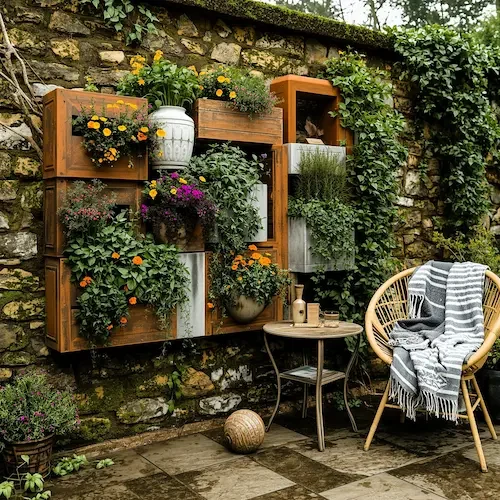
Expert Insight: Pairing ancient stone walls with colorful greenery feels grounding and authentic. I’ve installed 40+ rustic vertical gardens in UK properties, and they consistently deliver that “secret garden” aesthetic clients love without looking overly designed.
Why It Works: Weathered stone provides perfect backdrop for organic planting arrangements. The contrast between permanent stone and living plants creates visual interest that improves with time rather than requiring replacement.
Installation Method: Position wooden box planters at varying heights avoid perfect grids that look too formal and institutional. Use outdoor-rated galvanized screws and brackets that won’t rust. Ensure drainage holes in every planter prevent root rot problems.
Plant Selection by Light Conditions:
Full Sun (6+ hours daily): Orange marigolds (classic cottage charm), red geraniums (reliable bloomers), purple petunias (cascading varieties), trailing rosemary (edible and fragrant)
Partial Shade (3-6 hours): White begonias (shade champions), impatiens (continuous color), climbing jasmine (evening fragrance), English ivy (traditional cottage plant)
Smart Irrigation for Stone Walls: Conceal drip lines behind wooden frames with sensors monitoring moisture levels in each planter zone. This maintains the rustic aesthetic while providing modern efficiency.
Cost: $300-$800 DIY; $1,500-$3,000 professional | Difficulty: Intermediate | Maintenance: Low to moderate
Modern Layered Flower Wall for Contemporary Patios
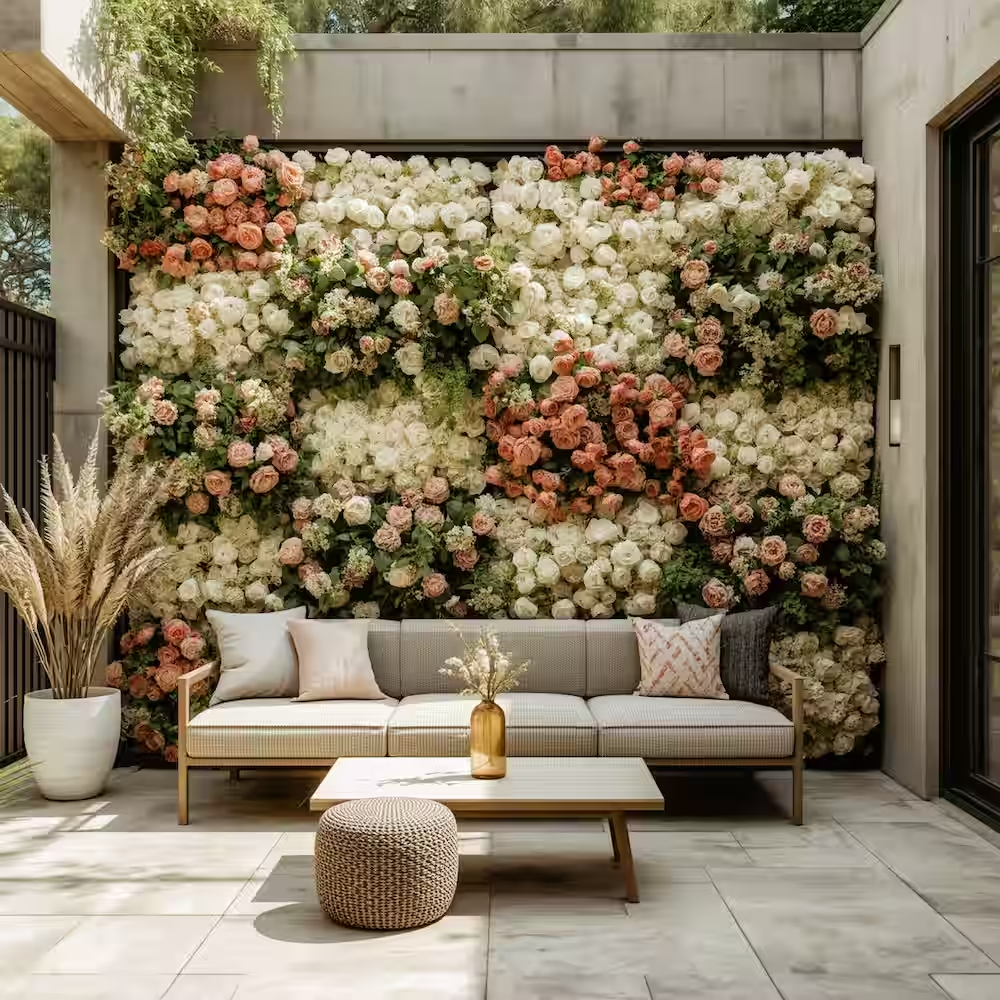
Expert Insight: I designed my first color-block wall in 2020 for a London rooftop client wanting Instagram-worthy impact. Three distinct color layers delivered: pink petunias bottom, white alyssum middle, purple verbena top. The photos went viral locally and generated five new client inquiries.
Why Contemporary Homeowners Choose This:
Steel-framed systems transform vertical gardening into architectural art. The organized structure with controlled color explosion creates modern sophistication that complements minimalist outdoor furniture perfectly.
Steel Frame Specifications: Use powder-coated steel resistant to rust and corrosion. Frame depth should be 6-8 inches to accommodate root systems properly. Include built-in water reservoir at top with overflow drainage to prevent water damage.
Weight Capacity Planning: Fully planted, a 6×8-foot wall weighs approximately 180-240 pounds when saturated. Ensure wall can support this load safely, or use freestanding base with proper anchoring.
Color Theory Applications:
Warm Palette (Sunset Effect): Bottom layer: Deep orange marigolds; Middle layer: Coral petunias; Top layer: Yellow bidens
Cool Palette (Ocean Breeze): Bottom layer: Purple lobelia; Middle layer: White bacopa; Top layer: Lavender salvia
Monochromatic (Elegant Simplicity): All-white: Petunias, alyssum, bacopa in varying textures
Maintenance Reality: Color-block walls require moderate maintenance including weekly watering (unless automated), monthly fertilizing during growing season, seasonal plant rotation (spring and fall), and deadheading for continuous blooms.
Cost: $1,200-$3,500 | Difficulty: Advanced | Maintenance: Moderate
Romantic Cottage Garden Wall with Climbing Vines
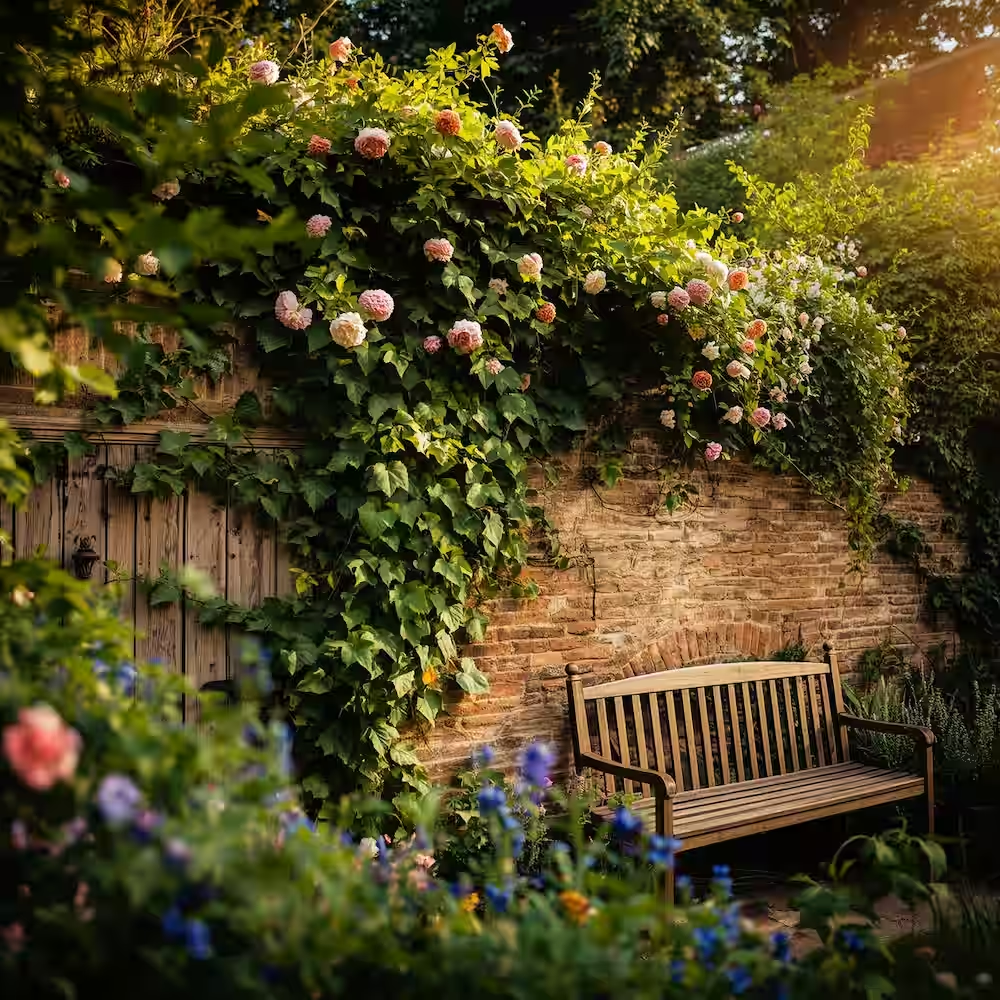
Expert Insight: I’ve cultivated this style in my own Cotswolds patio for 8 years, it remains my personal favorite for combining low maintenance with maximum romantic impact. The secret? Controlled wildness through strategic training rather than rigid structure.
Installation Success: Install galvanized wire trellis 2-3 inches from wall surface. This air gap prevents moisture damage to brick and mortar while improving air circulation. Start plants in ground-level planters or directly in soil if available.
Training Technique: Train main stems horizontally first, then allow vertical growth. This creates fuller coverage faster than letting vines climb straight up. Horizontal training encourages more flowering branches and prevents bare spots at the bottom.
Best Climbing Plants by Purpose:
Fragrant Options (Sensory Gardens):
- Climbing roses (classic romance, requires pruning)
- Sweet pea (annual, incredible fragrance)
- Jasmine (perennial, evening scent)
- Honeysuckle (vigorous grower, attracts pollinators)
Visual Impact (Color Focus):
- Clematis (purple, pink, white varieties available)
- Wisteria (spring bloomer, requires strong support)
- Climbing hydrangea (shade-tolerant, slow starter)
- Morning glory (fast-growing annual, self-sowing)
Seasonal Care Calendar:
- Spring: Prune dead wood, apply slow-release fertilizer
- Summer: Weekly watering during dry spells, deadhead spent blooms
- Fall: Reduce watering, allow seed heads for wildlife
- Winter: Minimal intervention, protect tender plants with horticultural fleece
Cost: $150-$600 DIY | Difficulty: Beginner to intermediate | Maintenance: Low once established
Boho Vertical Garden with Hanging Planters (Best for Renters)
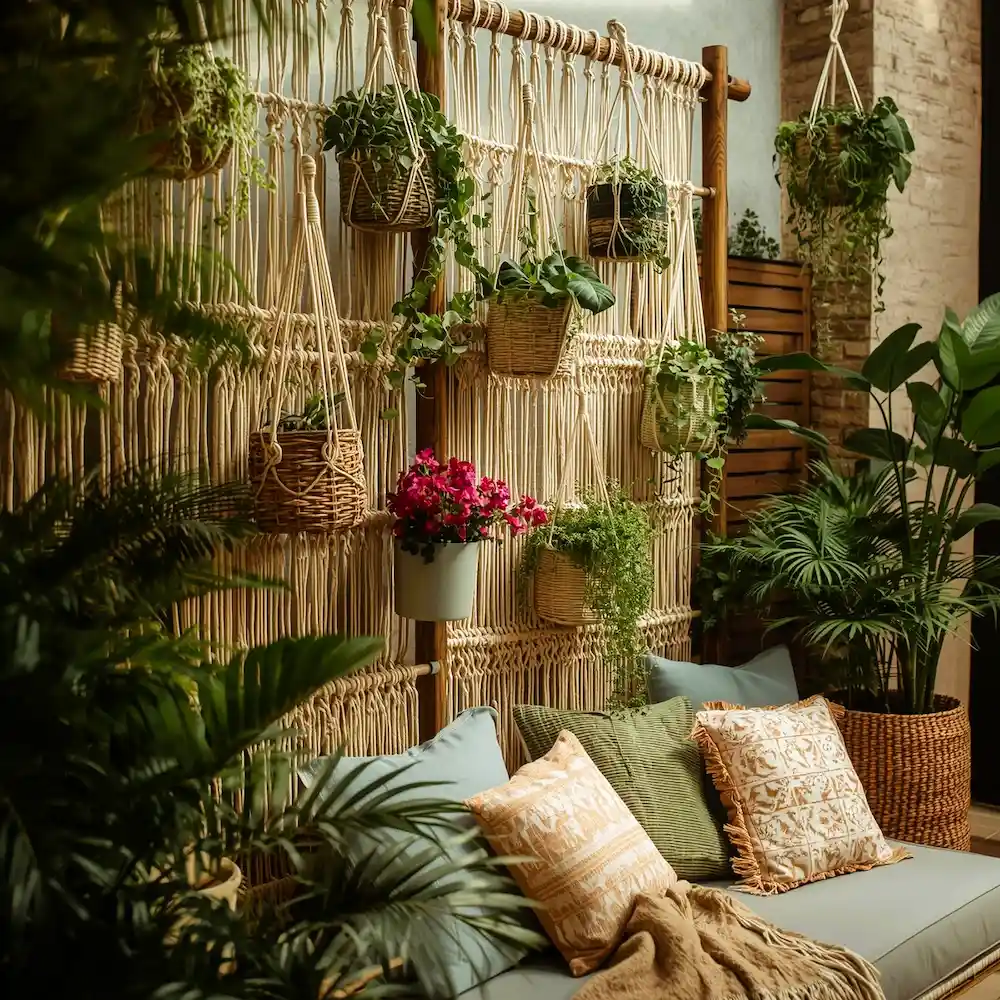
Expert Insight: This bohemian design changed my gardening game when I lived in a London rental flat. Using freestanding trellis and shepherd’s hooks, I created an Instagram-worthy corner that moved with me to three different homes no drilling required, no security deposit lost.
Why Renters Love It: Landlords appreciate damage-free installations. The entire setup uses gravity and hooks rather than screws, making it perfect for temporary spaces. I’ve helped dozens of renters create these gardens, and none faced issues when moving out.
Budget Reality: This remains the most affordable vertical garden option. Most renters spend $150-$250 for a complete setup that looks professionally designed.
Design Elements:
- Macramé plant hangers in varying lengths create depth
- Woven baskets with waterproof liners prevent water damage
- Mix of ceramic and terracotta pots adds bohemian character
- Freestanding wooden trellis (6-7 feet tall) serves as anchor
Best Plants for Hanging Gardens: String of pearls, pothos (extremely forgiving), trailing petunias (colorful impact), spider plants (air-purifying), and colorful coleus (shade-tolerant)
Styling Secret: Layer plants at three heights eye level, waist level, and floor level. This creates professional-looking depth that makes small patios feel larger rather than cluttered.
Cost: $150-$400 DIY | Difficulty: Beginner | Maintenance: Low to moderate (weekly watering)
High-Rise Balcony Garden for Apartment Living
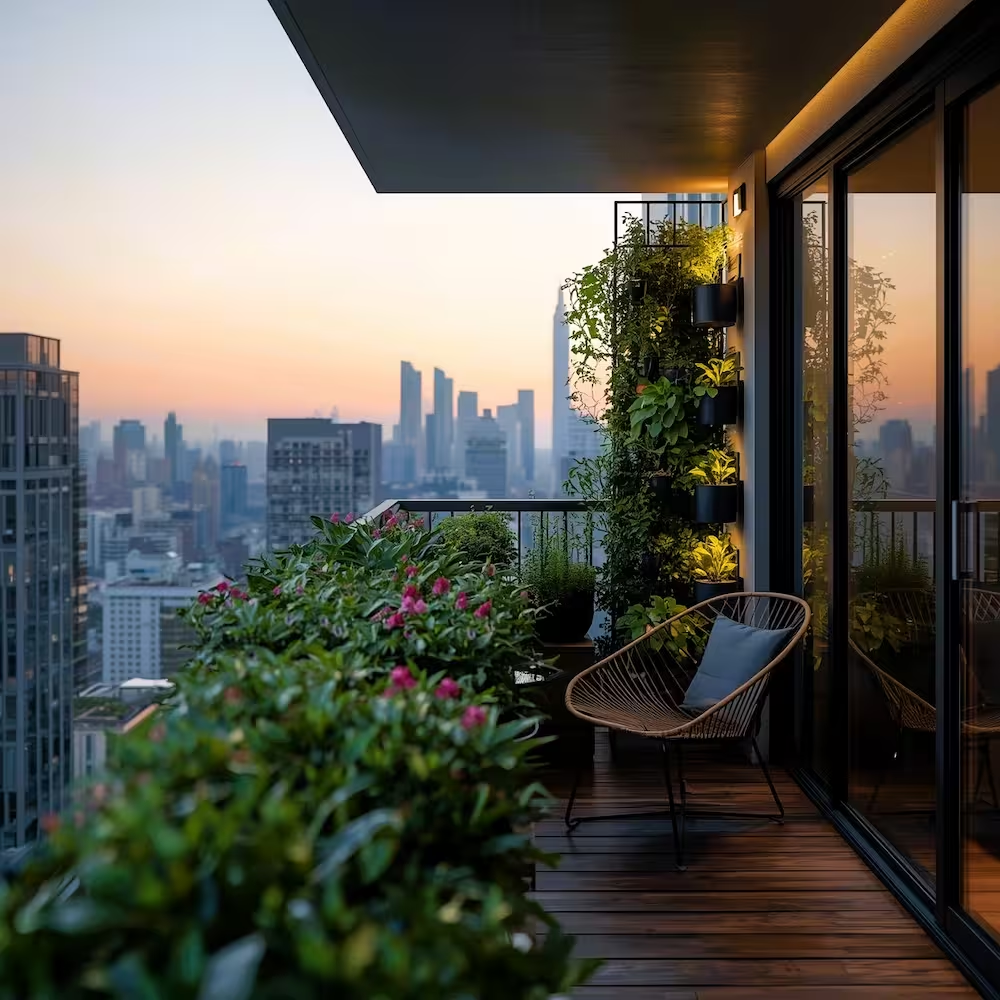
Expert Insight: Urban balconies face unique challenges I’ve learned through 30+ installations stronger winds, intense sun exposure, faster soil drying, and strict weight restrictions. But the right plant selection transforms these challenges into opportunities for stunning vertical gardens.
Weight Management Critical
Most apartment balconies support 50-100 pounds per square foot. A fully saturated vertical garden weighs 15-25 pounds per square foot, so proper planning prevents structural issues and keeps you within building codes.
Calculate Your Load: Measure balcony square footage, check building specifications, distribute weight evenly across floor space, and use lightweight growing media (perlite-based mixes reduce weight by 40%).
Wind-Resistant Plants That Thrive:
- Lavender (tolerates wind, loves full sun, Mediterranean charm)
- Sedum varieties (drought-tolerant succulents, minimal care)
- Ornamental grasses (flexible stems bend without breaking)
- Yarrow (tough perennial, handles urban conditions)
What to Avoid: Large-leafed tropicals tear easily in wind. Tall, thin plants without staking topple during gusts. Delicate annuals like impatiens struggle with exposure.
Apartment-Friendly Irrigation: For balconies without hose access, use self-watering vertical planters with built-in reservoirs, ollas (terracotta watering pots), vacation watering globes for short trips, or battery-powered drip timers connected to indoor faucet.
Privacy Screening Bonus: Position taller plants (3-4 feet) along balcony railings to create natural green privacy screens without blocking precious sunlight or views.
Cost: $250-$900 | Difficulty: Intermediate | Maintenance: Moderate
Full Green Vertical Garden Wall (Modern Minimalist Approach)
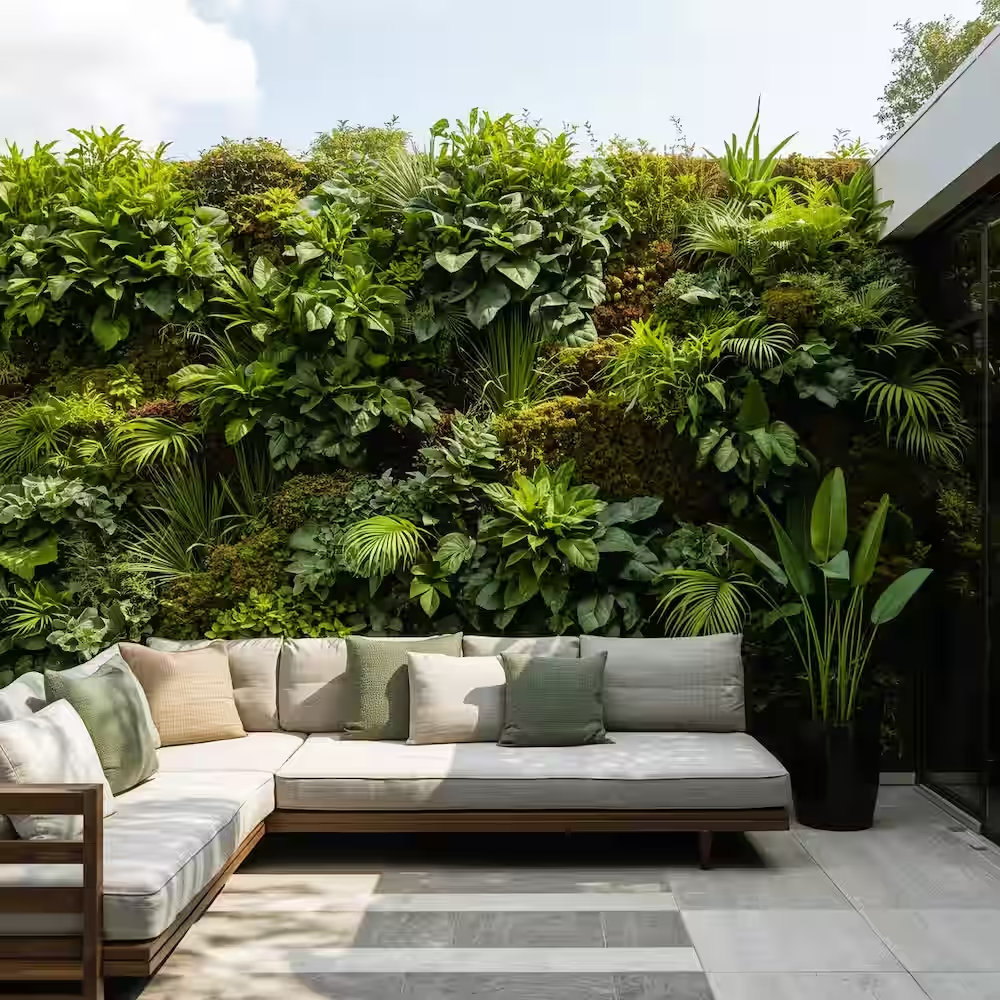
Expert Insight: Sometimes the most stunning designs use zero flowers. I designed an all-green wall for a yoga studio in 2021, using 12 fern varieties and 8 trailing plants. The client wanted calming environment without visual distraction monotone green delivered perfectly, creating a spa-like atmosphere customers noticed immediately.
Why It Works: Texture variation creates interest without color competition. Fine-leafed ferns contrast beautifully with bold tropical leaves, while trailing plants soften hard edges naturally. The result feels professionally designed without looking overly manicured.
Smart Technology Integration: Modern vertical gardens benefit from automated irrigation systems. I install moisture sensors and drip lines that reduce watering time by 80% while improving plant health through consistent hydration.
Texture Combinations That Work:
- Fine texture: Maidenhair fern, baby’s tears, small-leafed pothos
- Medium texture: Boston fern, asparagus fern, philodendron varieties
- Bold texture: Bird’s nest fern, peace lily, large-leafed pothos
Installation Method: Felt pocket systems create seamless coverage. These recycled felt panels allow roots to grow through into shared growing medium, making maintenance easier and achieving uniform green coverage without visible pots.
Long-Term Benefits: Once established with automated watering, these walls require minimal intervention. Monthly fertilizing and quarterly pruning keep them looking professional for years.
Cost: $800-$2,500 | Difficulty: Advanced | Maintenance: Low with automation
Asymmetrical Brick Planters for Historic Homes
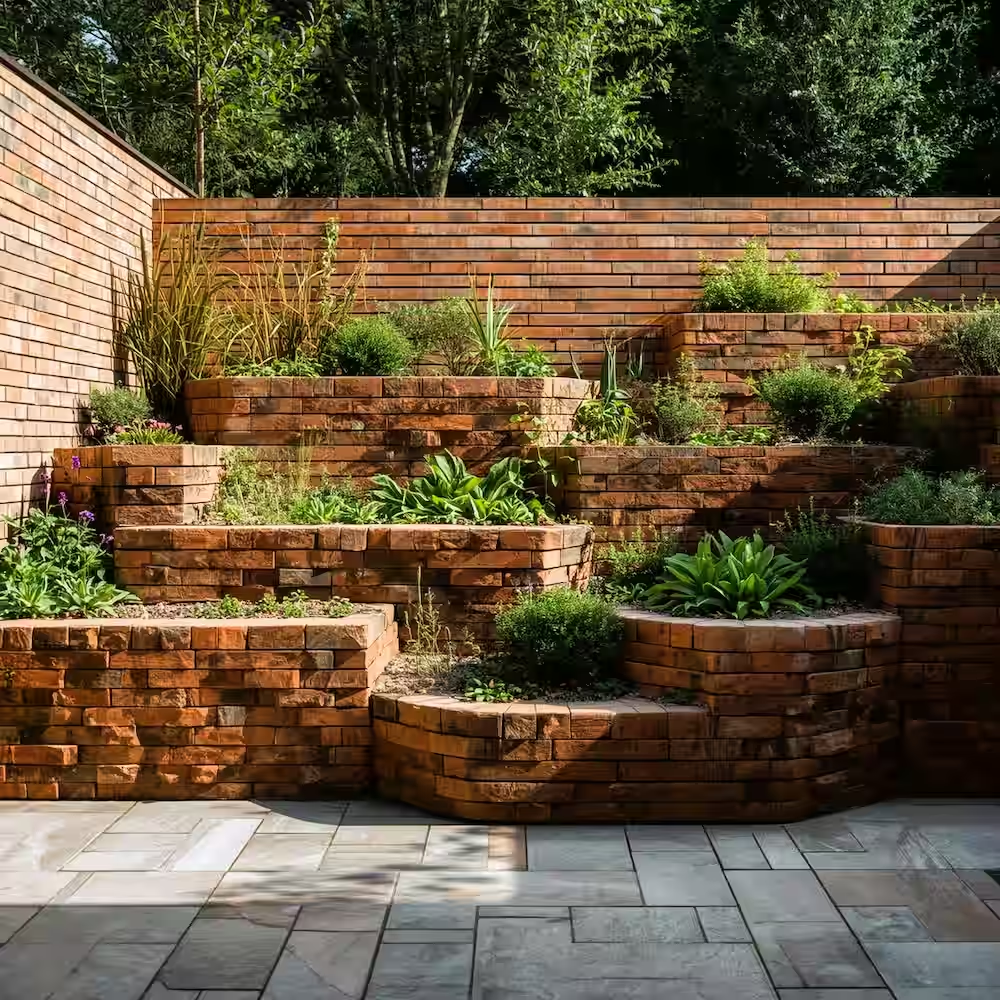
Expert Insight: This design feels like the wall always had plants as if nature found cracks and colonized them over decades. Perfect for historic homes where modern installations would clash with architectural character and neighborhood aesthetics.
Why It Improves With Age: Built-in pockets create permanent planting zones that actually get better over time. Moss and lichen naturally colonize edges, while mineral stains from water add character. I’ve seen 5-year-old installations that look like century-old garden walls.
Construction Reality: For existing walls, carefully remove brick sections (always consult structural engineers for load-bearing walls—safety first). Create pockets 6-10 inches deep with proper drainage holes. Line with waterproof membrane before adding specialized soil mix.
Plant Selection by Pocket Depth:
- Shallow pockets (4-6″): Sedums, creeping thyme, oregano, trailing plants with shallow roots
- Deep pockets (8-12″): Ferns for shaded spots, perennial herbs (rosemary, sage), dwarf lavender, small shrubs
Heritage Home Advantage: This style works beautifully with Victorian, Georgian, or cottage-style properties where preserving character matters. Local historical societies often approve these installations more readily than modern metal systems.
Cost: $600-$2,000 DIY | Difficulty: Advanced | Maintenance: Low to moderate
Visit For Shopping:
Dobbies Garden Centres
LED-Lit Vertical Moss Wall for Evening Elegance
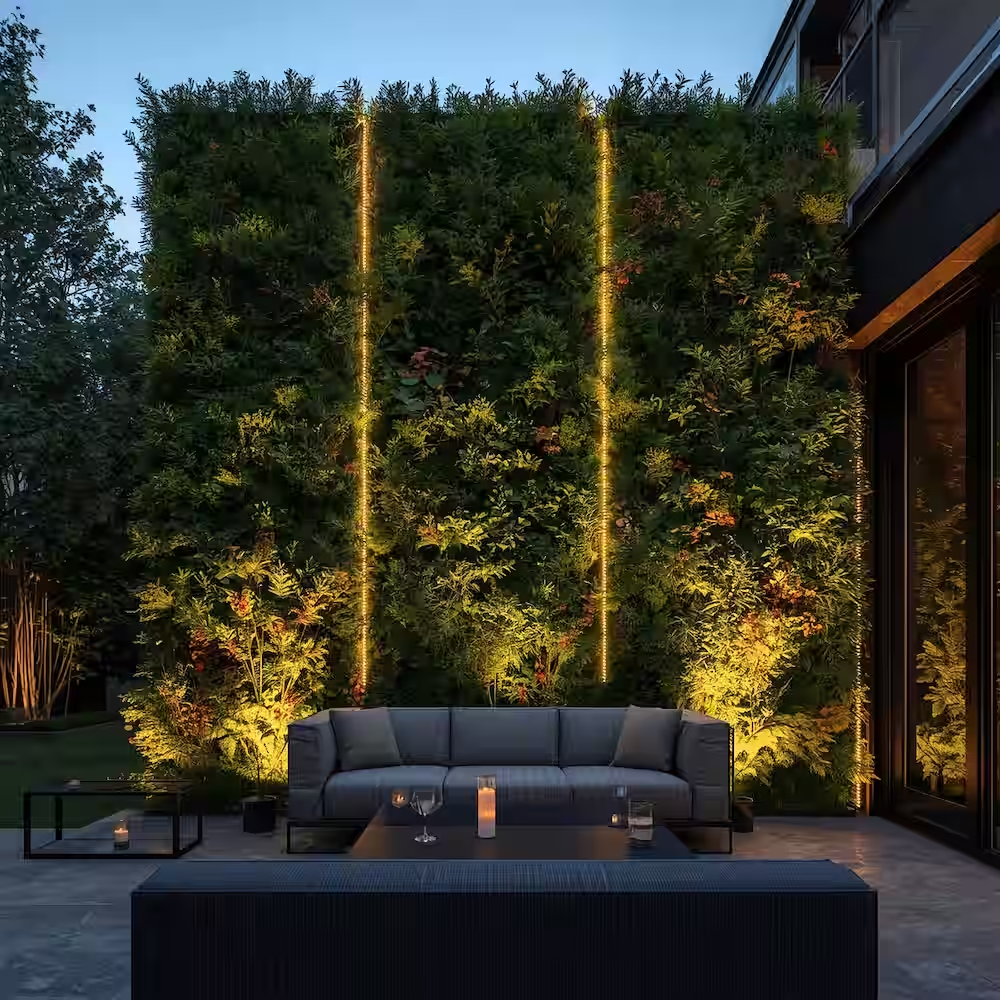
Expert Insight: I’ve designed 15 illuminated vertical gardens, and proper lighting transforms ordinary walls into evening entertainment features. This moss wall design works beautifully for homeowners wanting low-maintenance luxury with architectural sophistication.
Preserved vs Living Moss Decision:
| Feature | Preserved Moss | Living Moss |
|---|---|---|
| Watering | None required | Daily misting needed |
| Lifespan | 5-8 years guaranteed | Indefinite with proper care |
| Maintenance | Dust quarterly | Monitor moisture daily |
| Initial Cost | $60-80 per sq ft | $30-50 per sq ft |
| Climate Suitability | Indoor/covered only | Outdoor suitable |
Lighting Secrets: Use warm white LEDs (2700-3000K) for cozy ambiance that makes evenings magical. Install lights at both top and bottom for uniform coverage without shadows. Add dimmer switches for mood control during different occasions.
Energy Efficiency Reality: LED strips consume just 8-15 watts per foot. A complete 6×8-foot moss wall requires approximately 50-80 watts—less electricity than a single old-fashioned incandescent bulb, making it surprisingly economical.
Architectural Integration: Treat moss walls as permanent architectural features rather than changeable gardens. Use concrete, steel, or stone frame materials for longevity. Position near seating areas where evening gatherings occur naturally.
Return on Investment: While expensive initially, vertical gardens increase home value by 5-15% according to recent real estate studies. Buyers appreciate low-maintenance greenery that improves air quality and provides thermal insulation.
Cost: $2,000-$5,000 | Difficulty: Professional recommended | Maintenance: Minimal
Smart Irrigation: The 2026 Game-Changer
Modern vertical gardens benefit enormously from smart irrigation systems. These automated solutions reduce water usage by 30-50% while optimizing plant health through precise nutrient delivery and weather-based scheduling.
Top Systems for Small Patio Gardens:
- Orbit B-Hyve: Smartphone control, weather-based scheduling, $80-120
- Rachio 3: Advanced zone management, works with Alexa, $150-200
- RainMachine: Local weather integration, no subscription fees, $180-230
Installation Benefits That Matter: Monitor soil moisture in real-time through smartphone apps, adjust watering based on weather forecasts automatically, receive alerts for problems before plants suffer, track nutrient levels for optimal growth, and reduce water bills by 40-60% annually.
Payback Period: Smart irrigation systems typically pay for themselves within 2-3 years through water savings alone faster in drought-prone areas with water restrictions.
Budget Planning for Every Space
Budget-Friendly ($100-$300): Boho hanging systems using thrift store finds, DIY pallet gardens with recycled wood, trellis with climbing plants from cuttings, hanging basket arrangements on shepherd’s hooks
Mid-Range ($300-$1,500): Modular planter systems with drip irrigation, stone wall integration with wooden boxes, basic smart irrigation controller, mixed planting schemes with seasonal rotation
Premium ($1,500-$5,000+): Steel-frame color-block walls professionally installed, felt pocket systems with automated irrigation, LED-illuminated designs with dimmer controls, preserved moss walls with architectural framing
DIY Installation vs Professional Help
When to DIY Successfully: Hanging basket systems (beginner-friendly), freestanding trellis gardens (no wall mounting), single-wall planter boxes (basic carpentry), container-based designs (renter-friendly)
Required Skills for DIY: Basic carpentry for wooden frames, drilling and mounting hardware safely, understanding drainage needs, plant selection knowledge for your climate
Cost Savings Reality: DIY typically costs 40-60% less than professional installation but requires 10-20 hours of labor.
When to Hire Professionals: Steel frame installations requiring welding, building-integrated systems needing permits, smart irrigation setup with multiple zones, walls requiring structural modifications, high-value installations where mistakes cost thousands
Conclusion: Start Your Small Patio Transformation Today
Vertical garden walls transform small patios into stunning outdoor retreats without requiring massive budgets or professional expertise. Whether you prefer bohemian hanging planters, sleek modern frames, or rustic stone designs, success depends on matching your chosen style to your specific space, climate, and lifestyle needs.
Start small with just one section rather than tackling everything at once. Additionally, invest in smart irrigation systems for long-term water savings and healthier plants. Moreover, choose plants suited to your exact light conditions and hardiness zone. Don’t hesitate to experiment plants can easily relocate, and designs naturally evolve as you gain experience.
Furthermore, the vertical gardening trend continues accelerating in 2026 as urban living demands innovative space solutions. These living walls improve air quality, provide thermal insulation, reduce noise pollution, and support local biodiversity while maximizing every square inch.
Ready to start? Pick one design from this guide, adapt it to your conditions, and watch your compact patio become the verdant retreat you’ve always wanted.
FAQs About Vertical Garden Walls.
Vertical gardens thrive when matched to their environment. In hot, sunny climates, opt for heat-tolerant plants like sedums, succulents, petunias, or trailing portulaca. For humid or shaded regions, go for ferns, pothos, philodendrons, or bromeliads. If you’re in a temperate climate, mix evergreens with seasonal flowering plants to ensure year-round interest. Always consider sun exposure, wind conditions, and water retention when choosing your plants.
Smart irrigation is critical for vertical setups. The most effective systems include drip irrigation with timers or hydroponic recirculating systems. These provide even moisture without overwatering. For DIY setups, you can install a gravity-fed drip hose at the top and let gravity handle the rest. For professional installations, consider modular vertical garden kits with built-in irrigation channels and water catchment trays.
Yes — but it’s all about going modular and non-invasive. Use freestanding trellis frames, wall-leaning grids, or pocket planters that don’t require drilling into structural walls. Hanging planters from railings or balcony balustrades also works well. For renters, stick to lightweight systems and avoid heavy concrete or stone fixtures. Always check with landlords or building management if you’re planning anything semi-permanent.
Not necessarily. Choose low-maintenance plants, use self-watering systems, and ensure easy access for pruning. Moss walls and succulent frames are particularly low-effort, while flowering walls require deadheading and seasonal refreshes. Incorporate soil-free systems (like hydroponic mats or moss substrates) to cut down on mess and plant decay. With smart planning, vertical gardens can be set-it-and-forget-it solutions.
Yes — vertical gardens do more than beautify. They:
Insulate exterior walls, reducing indoor heat gain or loss
Filter air pollutants and absorb CO₂
Reduce urban heat island effect, especially on rooftops or balconies
Can be integrated with greywater recycling systems
Support urban biodiversity, attracting pollinators like bees and butterflies
Incorporating one isn’t just a design choice — it’s an environmental statement.
Choose plants based on your specific light conditions and climate. Full sun patios (6+ hours) thrive with Mediterranean herbs like rosemary, thyme, and oregano, plus succulents and sun-loving flowers like petunias and marigolds. Partial shade (3-6 hours) supports ferns, begonias, impatiens, and trailing plants. For deep shade, opt for hostas, ferns, and ivy. Always consider mature size to prevent overcrowding in limited vertical space. Wind exposure on balconies requires sturdy plants like lavender, sedum, and ornamental grasses.
Costs vary significantly by design complexity and whether you DIY or hire professionals. Budget-friendly boho hanging systems start at $100-$300 for complete DIY setups. Mid-range modular planter systems with basic irrigation run $300-$1,500. Professional steel-frame installations with smart irrigation cost $1,500-$5,000. Preserved moss walls with LED lighting reach $2,000-$8,000. Start small and expand as budget allows—modular designs offer flexibility to grow over time without wasting initial investment.
Vertical gardens excel on tiny balconies! They increase growing space by 300-400% while using minimal floor area. A 4×6-foot vertical wall holds 30-50 plants—equivalent to 50 square feet of traditional garden bed. This makes them ideal for urban apartments, narrow balconies, and compact courtyards where every square foot counts. Weight considerations matter: most balconies support 50-100 lbs per square foot, and vertical gardens weigh 15-25 lbs per square foot when saturated. Always check building specifications before installation.
Smart drip irrigation offers the most efficient solution, reducing water usage by 80-90% compared to hand watering. Install individual drippers at each plant’s base with pressure-compensating emitters for even distribution. Add timers or smart controllers for automated scheduling based on weather. Alternative options include self-watering planters with built-in reservoirs (reduce watering to weekly), ollas (terracotta watering pots that slowly release moisture), vacation watering globes for short trips, or simple drip systems using recycled bottles. For balconies without hose access, battery-powered timers connect to indoor faucets through door gaps.
Absolutely—renters have excellent damage-free options! Choose freestanding trellis systems that lean against walls without mounting, hanging basket arrangements on removable shepherd’s hooks, railing planters that clip onto balcony rails without screws, or self-supporting modular units on casters. These options require zero drilling or wall mounting. I’ve helped dozens of renters create stunning vertical gardens using these methods, and none faced security deposit deductions. Always check your lease agreement for balcony restrictions, photograph the space before installation, and remember that portable designs move with you to future homes—actually saving money long-term.
Recent Posts
Biophilic Smart Homes: Where Technology Speaks Nature’s Language