Should You Decorate Before Selling Your House?
Written by: M. Yazdaan, Home Decor Editor
Reviewed by: Emma Cartel, Research & Editorial Standards Coordinator (ABOUT US)
Selling a house brings up a familiar question. Should you decorate first, or leave the space as it is and let buyers imagine their own style. The honest answer depends on the difference between decorating, staging, and renovating, because each one affects your sale price in a different way. This guide breaks down what actually helps a house sell, what wastes money, and where decorating fits in your timeline before listing.
Does Decorating Increase House Value
Decorating and staging are not the same thing, and mixing them up is where most sellers lose money. Decorating means making permanent choices like paint color, fixtures, or new furniture that you may take with you or leave behind. Staging means arranging a space temporarily so buyers can picture themselves living there, often using rented furniture or simple styling touches.
Real estate professionals consistently point to staging and light cosmetic updates as the changes with the strongest return, not full decor overhauls.
“Buyers respond to clarity, not personality, because they are trying to picture their own life in the space, not yours.”
— Amber Dunbar, Interior Stylist
This means your goal before selling is different from your goal while living in a home. You are not decorating to express taste. You are decorating to remove friction between a buyer and their own imagination.
Should You Decorate Your House Before Selling
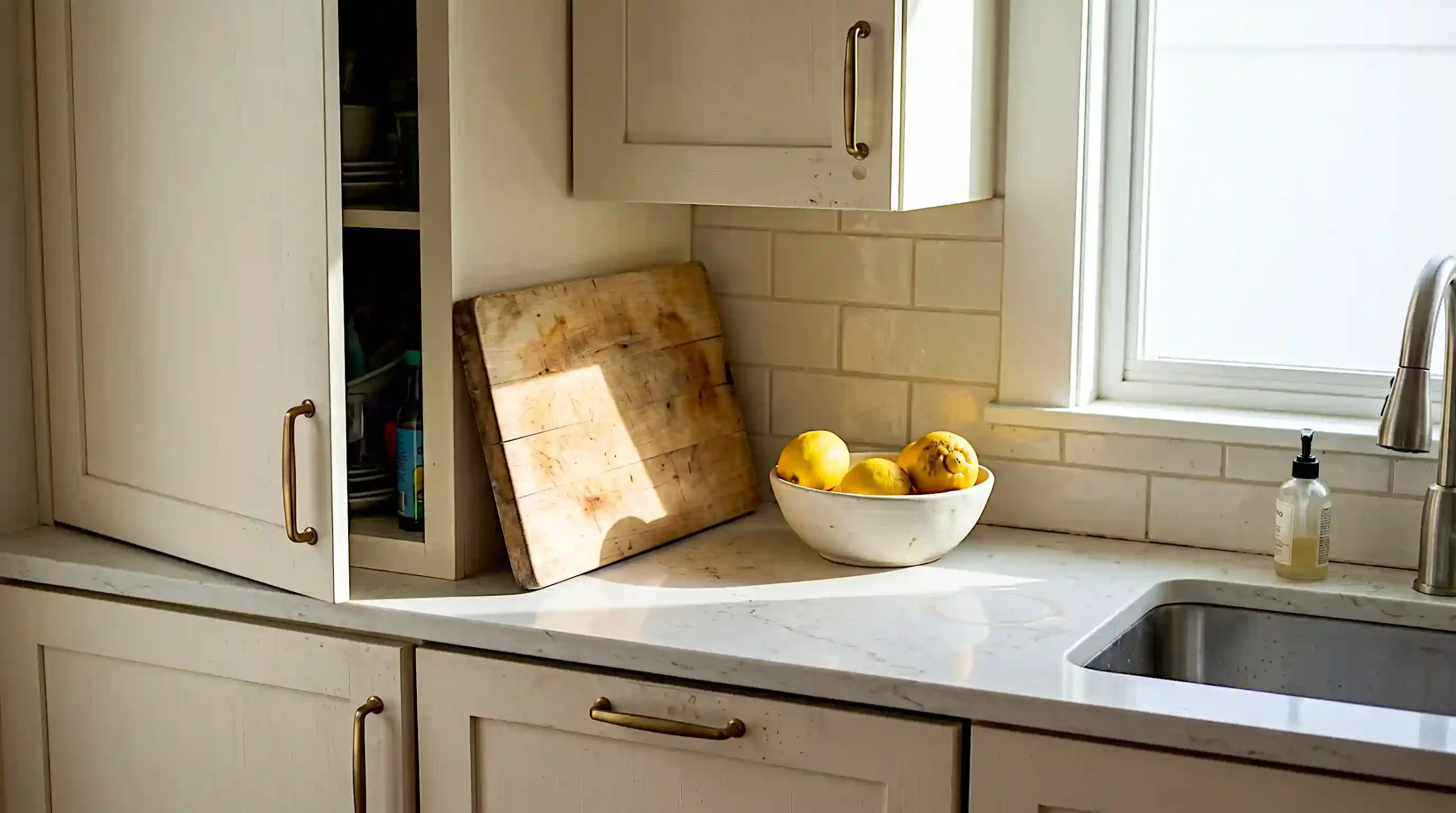
The short answer is yes, but only in specific, low-risk ways. Heavy investment in new furniture, bold accent walls, or trend-driven decor rarely pays back what you spend on it. Light, targeted changes almost always help, because they reduce distractions and let the house show its actual condition.
Changes worth making before you list:
- Decluttering every room, including closets and countertops
- Repainting walls in neutral, warm tones rather than stark white or bold colors
- Improving lighting with brighter bulbs and updated fixtures where needed
- Refreshing curb appeal with a clean entryway, tidy landscaping, and a new doormat
- Removing personal photos, collections, and strongly personal decor items
Changes to avoid before you list:
- Buying an entirely new furniture set
- Painting an accent wall in a trend color
- Installing niche decor styles like heavy maximalist patterns
- Spending on decorative upgrades instead of fixing visible maintenance issues
Should You Decorate Before or After Flooring
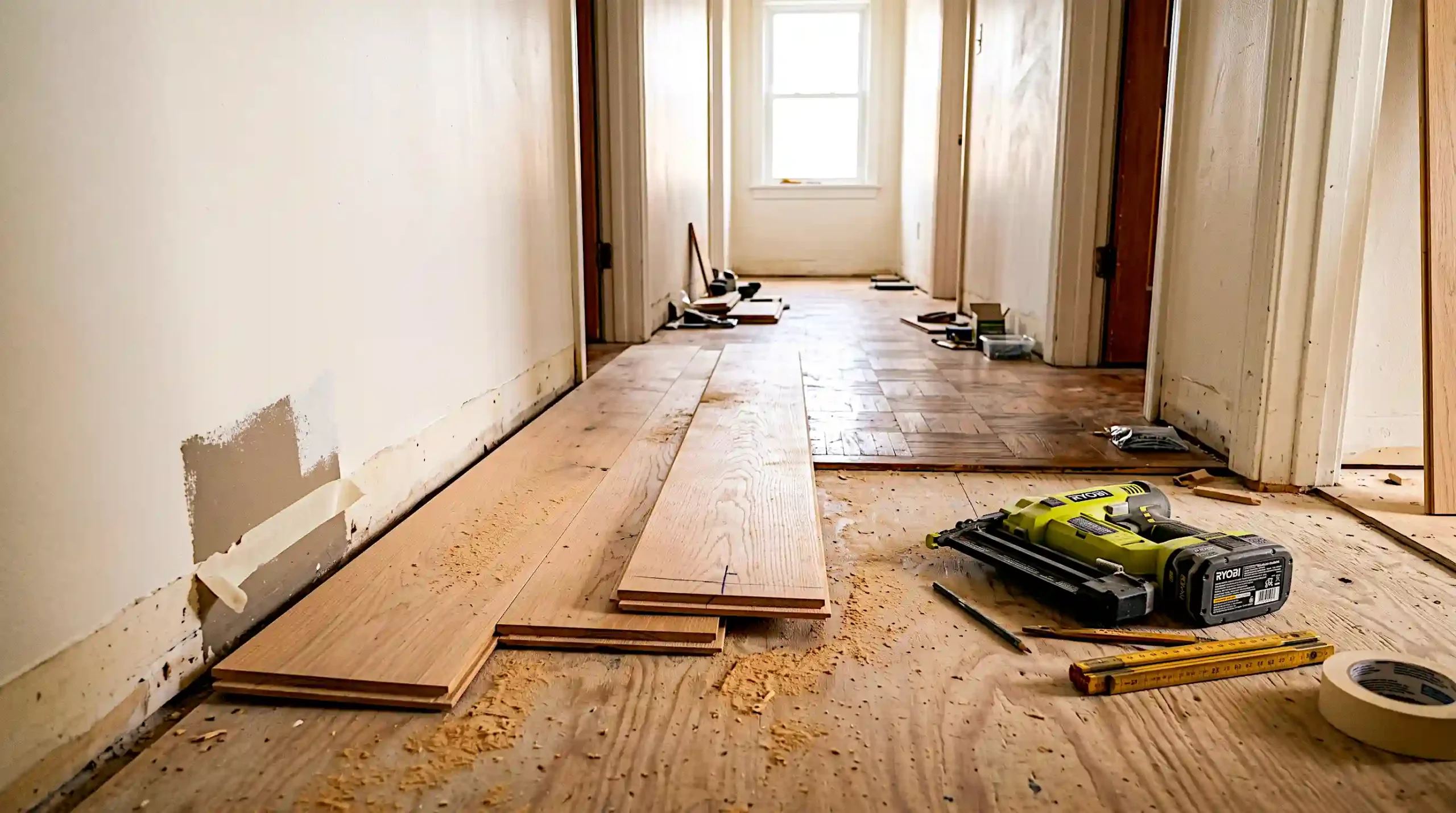
Flooring should always come before decorating, without exception. New flooring involves dust, heavy equipment, and foot traffic that can damage furniture, walls, and freshly painted trim. Decorating around old flooring you plan to replace also wastes time, since your styling choices may not match the new floor tone.
A practical order for pre-sale updates looks like this:
- Structural repairs and maintenance fixes
- Flooring replacement or refinishing
- Painting walls and trim
- Lighting updates
- Final styling and staging touches
Following this order protects your investment and avoids redoing work. It also gives buyers a finished, cohesive impression instead of a house that feels like a work in progress.
Staging Tips That Help Buyers Say Yes
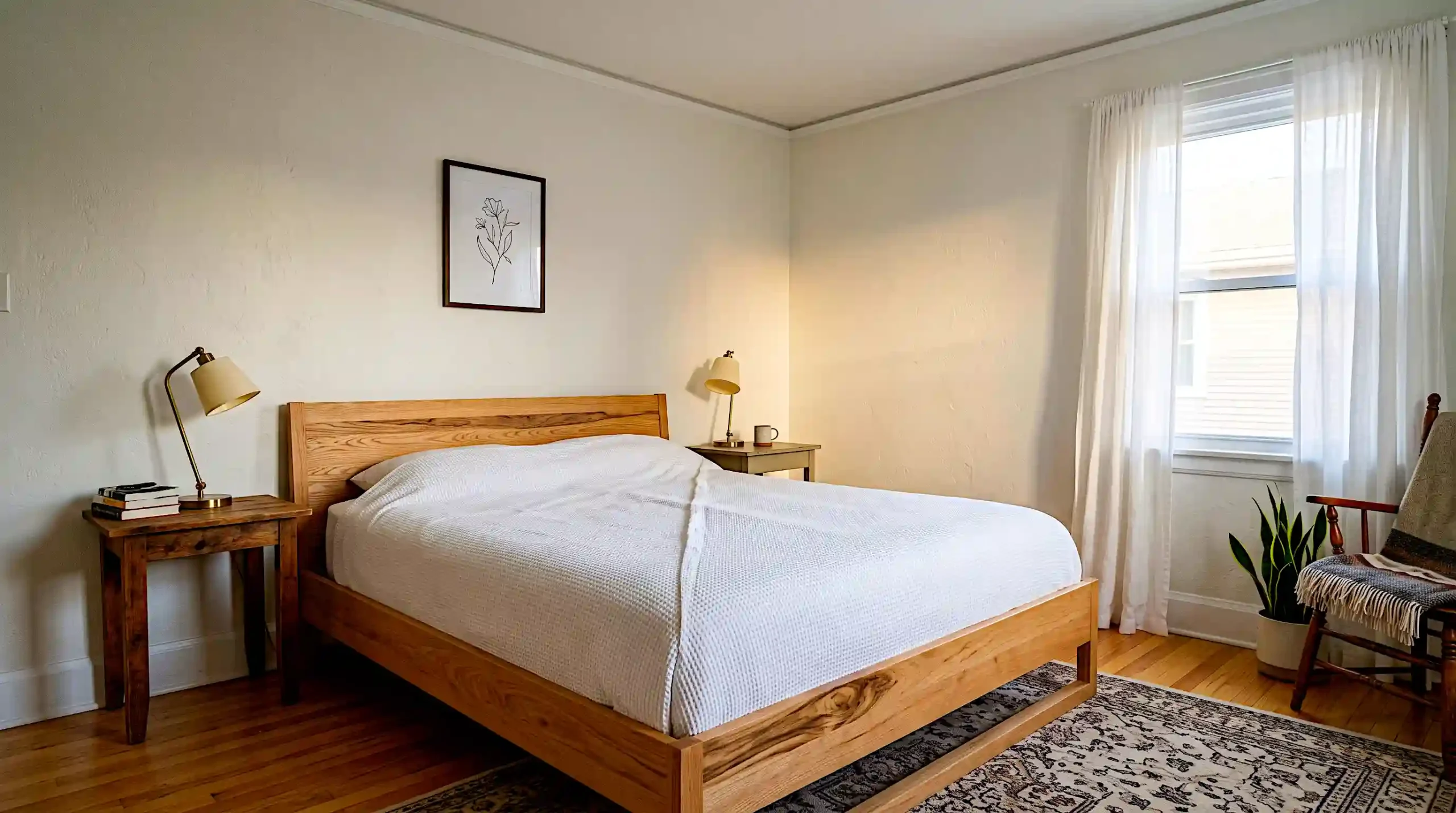
Once structural work and flooring are done, staging becomes the most effective decorating tool you have. Focus on the rooms buyers weigh most heavily, since not every room needs equal attention.
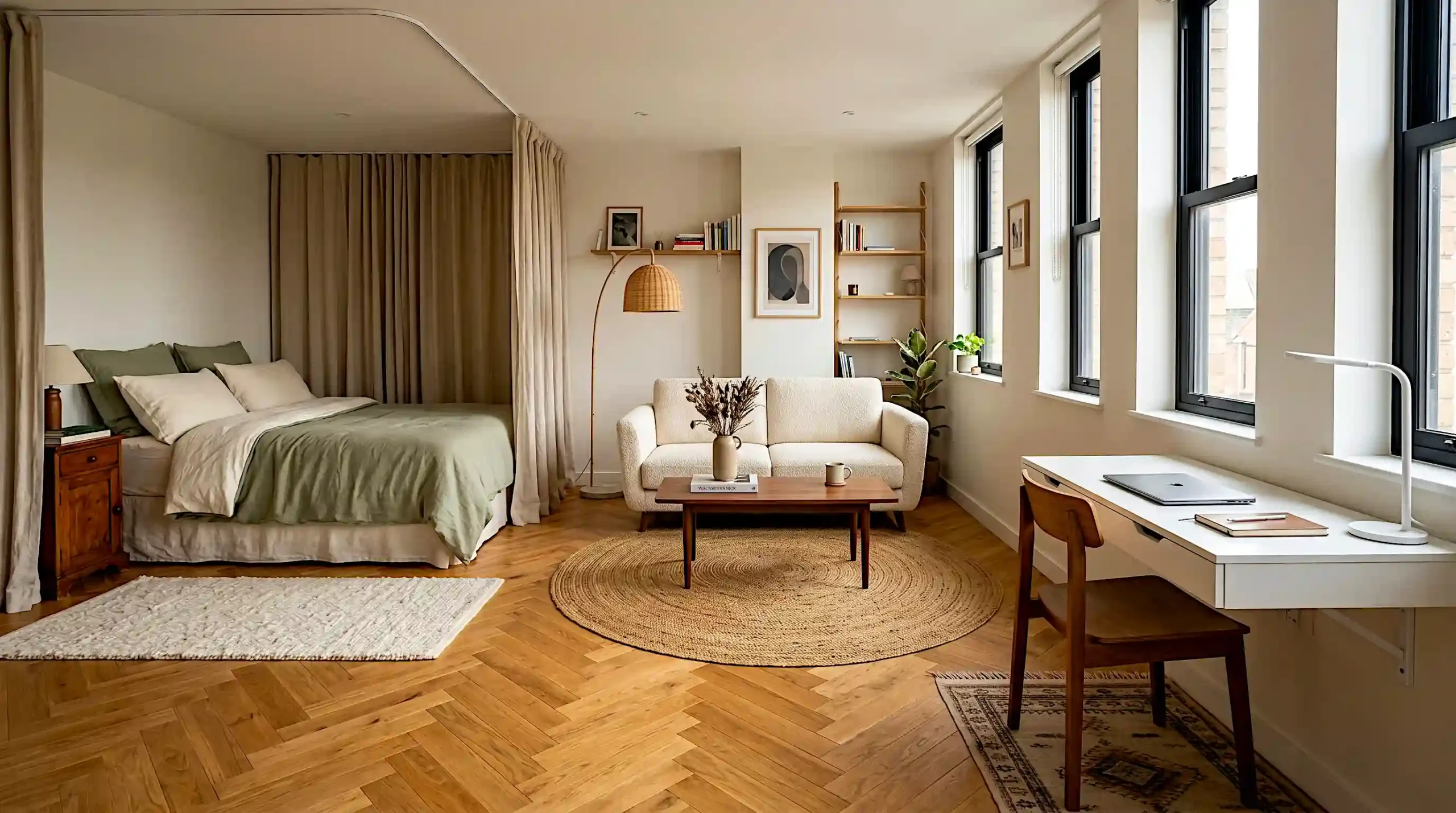
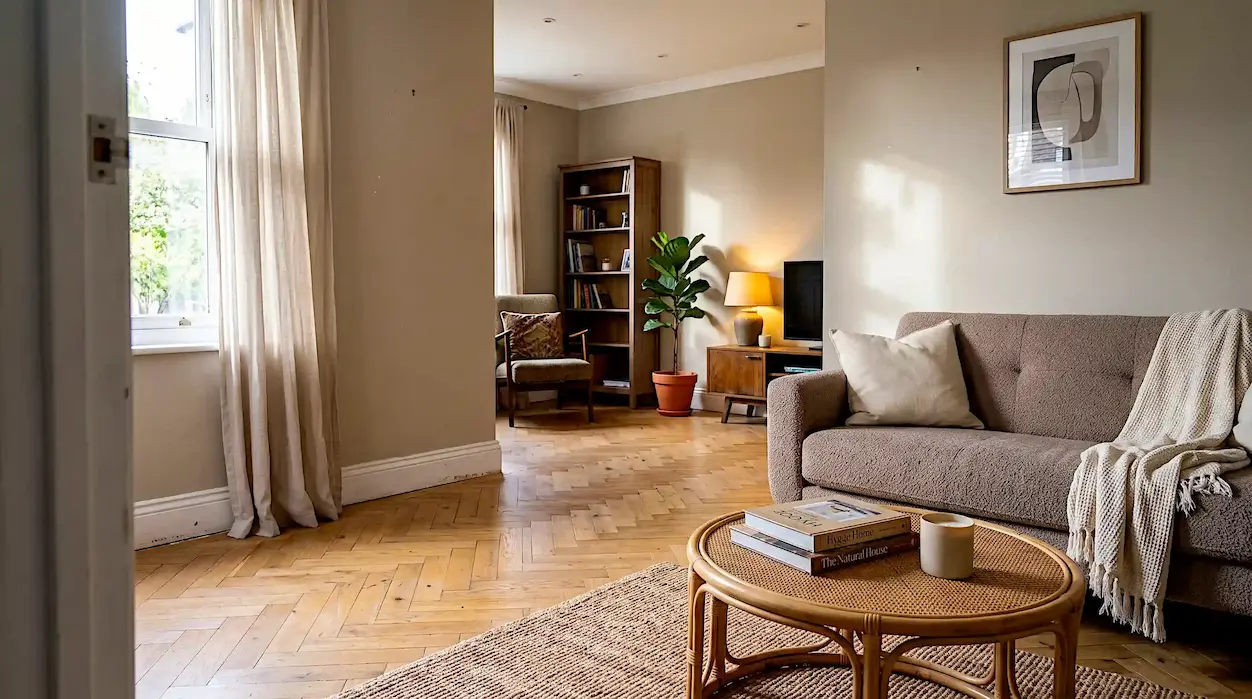
Living room. Keep furniture minimal and arranged to highlight space, not fill it. A neutral sofa, one accent chair, and simple layered lighting usually outperform a fully furnished, busy layout.
Kitchen. Clear countertops as much as possible and keep only one or two simple styling objects. Buyers judge kitchens on space and light first, decor second.
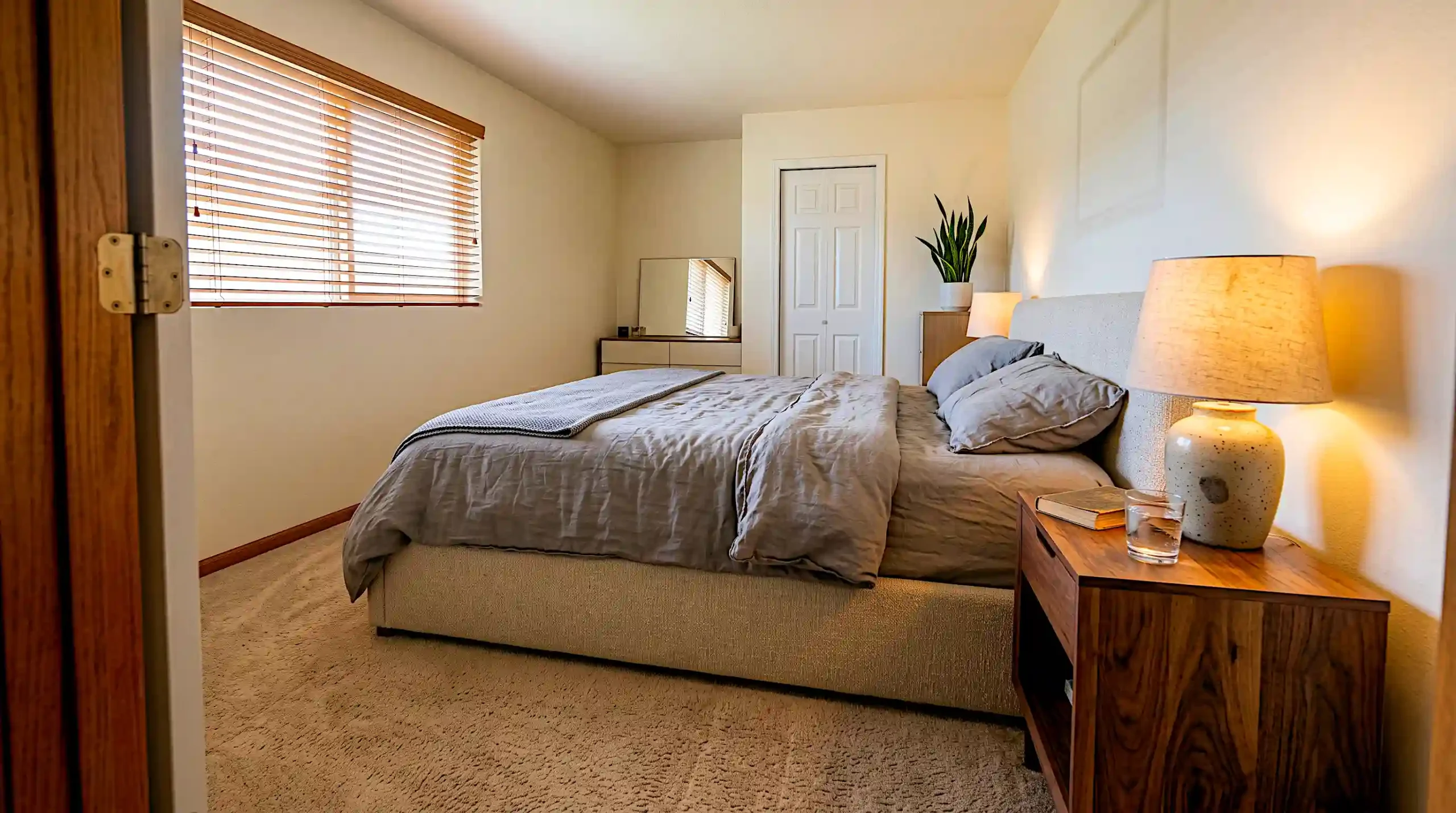
Primary bedroom. Use simple, hotel-style bedding in neutral tones. Remove personal items and keep nightstands nearly empty to suggest calm and space.
If you want deeper guidance on styling individual rooms, our room-by-room decorating guide walks through layout, color, and lighting choices for each space in the home.
What to Avoid When Decorating to Sell
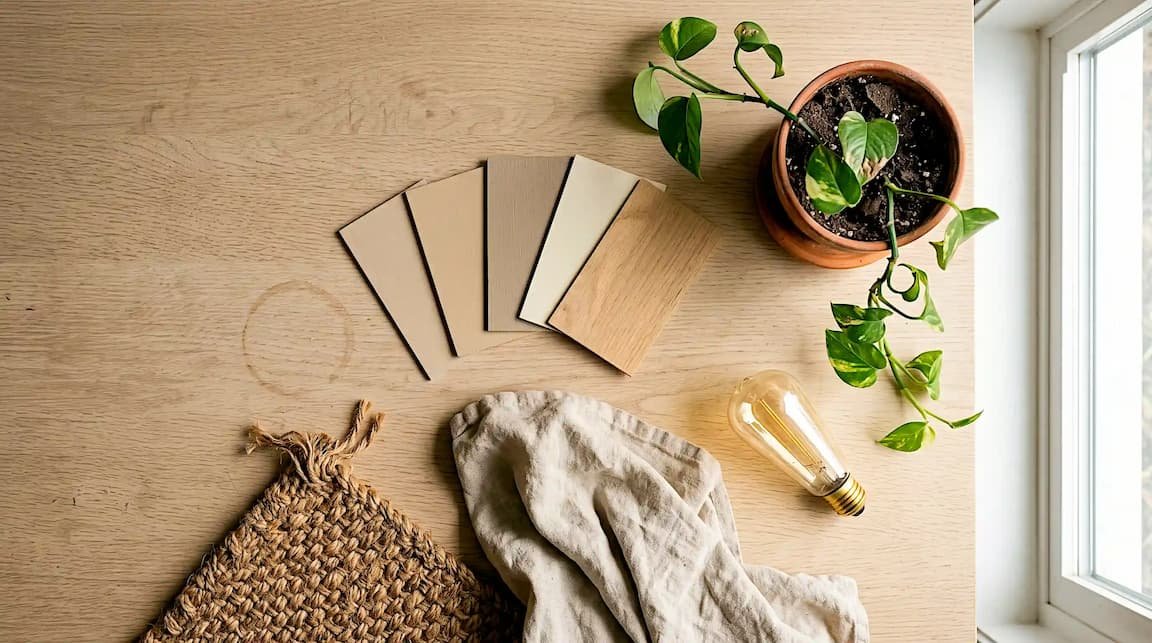
The biggest mistake sellers make is decorating for themselves instead of for a buyer’s imagination. Overly personal photos, strong collections, or unusual color choices can make it harder for buyers to picture the space as their own. Trend-driven decor is another common misstep, since styles that feel current now can look dated within a year or two, especially in listing photos that stay online.
Overspending is the third major trap. Sellers sometimes assume a bigger decorating budget guarantees a better sale price, but real estate professionals generally agree that light staging outperforms heavy investment.
“The return on decorating drops fast once you go beyond cleaning, neutral tones, and better lighting.” — Jasper Vos, Interior Styling Consultant
Quick Decision Checklist
Use this as a fast reference before you list your home.
- Declutter and depersonalize every room
- Repaint in neutral, warm tones if walls are bold or worn
- Fix flooring before any styling begins
- Improve lighting with updated fixtures and bulbs
- Stage key rooms lightly rather than fully redecorating
- Avoid trend-driven purchases and large furniture spending
- Focus your budget on cleanliness, light, and repairs first
Final Thoughts
Decorating before selling works best when it stays simple, neutral, and focused on what buyers actually respond to. Skip the trend purchases and large furniture investments, and put your attention toward cleanliness, light, and a few smart staging choices instead. Done this way, decorating becomes one of the most cost effective steps in preparing your home for sale.
Recent Posts
How to Hang Heavy Art Without Drilling Holes
Beginner Decorating Mistakes That Age a Room Fast